

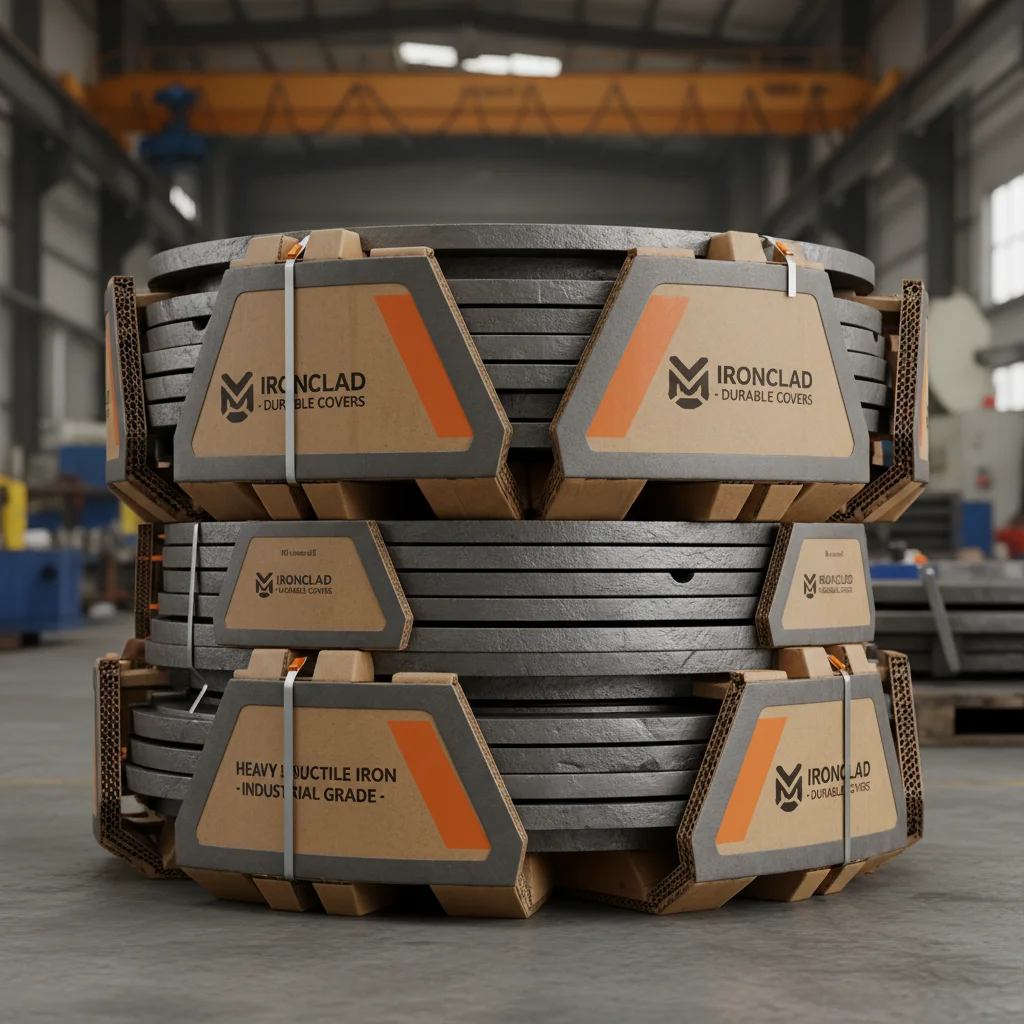
Professional Heavy Duty Ductile Iron Cover Manufacturer Guide
Choosing a Reliable Heavy Duty Ductile Iron Cover Manufacturer
In the world of urban infrastructure and industrial facility management, the durability of access points is non-negotiable. Finding a professional heavy duty ductile iron cover manufacturer is essential to ensure that manhole covers can withstand extreme pressure, heavy traffic, and corrosive environments. Ductile iron, known for its superior strength and flexibility compared to traditional cast iron, provides the necessary reliability for high-load areas like highways and airports. This guide explores the critical factors in selecting the right manufacturer and the technical advantages of choosing high-grade ductile iron for your next project.
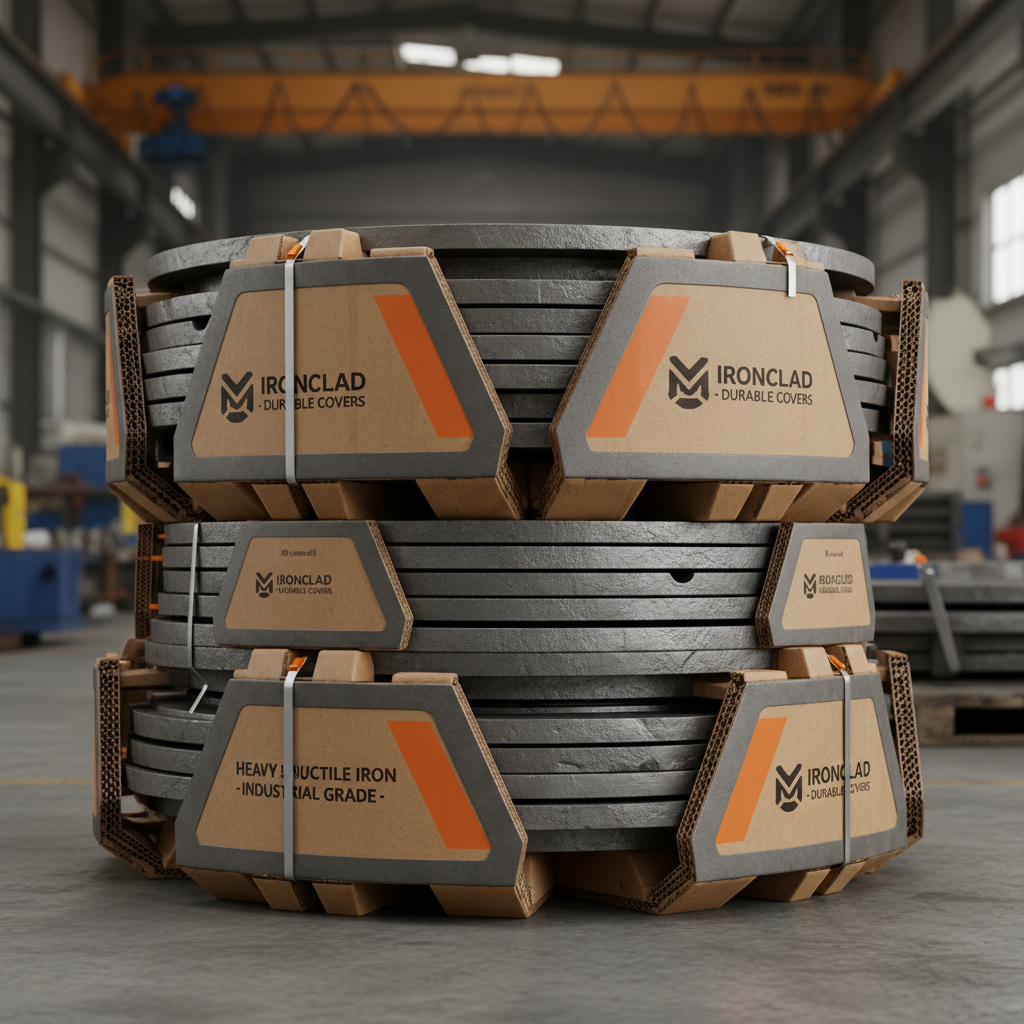
The Material Advantage: Why Ductile Iron?
Unlike grey iron, which is brittle and prone to cracking under sudden impact, ductile iron contains nodular graphite. This structural difference allows the material to deform slightly without breaking, making it the gold standard for heavy-duty applications. A reputable heavy duty ductile iron cover manufacturer utilizes advanced smelting and heat treatment processes to ensure the metal achieves maximum tensile strength. This ensures that the covers remain secure and functional even under the constant stress of heavy-duty vehicle transit and extreme weather fluctuations.
Pro Tip: Look for manufacturers that provide certifications such as ISO or EN 124, which guarantee that the ductile iron meets international load-bearing and quality standards.
Load Classes and Performance Standards
Not all covers are created equal. Depending on where the cover is installed—be it a pedestrian sidewalk or a main arterial road—the load class must be accurately specified. A professional heavy duty ductile iron cover manufacturer will categorize their products based on these requirements to prevent catastrophic failures. Load Class D400, for example, is designed for carriageways of roads, including hard shoulders, and is one of the most sought-after specifications for heavy-duty urban planning.
Common Load Class Applications:
• Class B125: Footways, pedestrian areas, and car parks.
• Class C250: Gully tops in slow-moving traffic areas.
• Class D400: Main roads, highway shoulders, and industrial yards.
• Class E600/F900: Docking areas, airports, and heavy-duty ports.
Comparison: Ductile Iron vs. Cast Iron vs. Steel
When evaluating your options, it is helpful to see how ductile iron stacks up against other common materials. While cast iron is cheaper, it lacks the impact resistance required for modern heavy-traffic zones. Steel is strong but requires significantly more maintenance to prevent rust. A top-tier heavy duty ductile iron cover manufacturer focuses on ductile iron because it offers the best balance of longevity, weight-to-strength ratio, and corrosion resistance.
Manufacturing Process and Quality Control
Quality assurance is what separates a mediocre supplier from a world-class heavy duty ductile iron cover manufacturer. The process begins with the selection of high-purity raw materials, followed by precise magnesium treatment to create the spherical graphite nodules. Modern manufacturers employ CNC machining for perfect fits, ensuring that covers do not "rattle" when driven over. Furthermore, anti-corrosive coatings, such as bitumen or epoxy, are applied to extend the lifespan of the product in saltwater or chemically aggressive environments.
Customization Options for Special Projects
Every project has unique requirements. Whether it is a specific logo for municipal branding, anti-slip surface patterns for safety, or locking mechanisms to prevent unauthorized access, a versatile heavy duty ductile iron cover manufacturer can provide tailored solutions. From triangular to square or circular designs, customization ensures that the cover integrates seamlessly into the existing pavement while maintaining its structural integrity.
Technical Specifications Table
To help engineers and procurement officers make an informed decision, here are the standard technical specifications usually provided by a professional manufacturer. These parameters ensure that the product meets the rigorous demands of industrial and urban use.
Conclusion: Securing Your Infrastructure
Investing in high-quality infrastructure components is a strategy for long-term cost reduction. By partnering with a certified heavy duty ductile iron cover manufacturer, you ensure that your installations are safe, durable, and compliant with global standards. Whether you are managing a city's sewage system or an industrial plant's drainage, the choice of ductile iron provides the resilience needed to face the challenges of tomorrow. Prioritize strength and quality to keep your projects running smoothly for decades.
Frequently Asked Questions (FAQs)
What makes ductile iron better than grey iron for heavy-duty covers?
The primary difference lies in the microstructure. Grey iron contains graphite flakes, which act as stress concentrators and make the material brittle. In contrast, ductile iron undergoes a magnesium treatment that turns these flakes into spheres (nodules). This allows the material to bend and absorb energy rather than snapping under a heavy load. For any heavy duty ductile iron cover manufacturer, this is the key to producing products that can handle the dynamic loads of heavy trucks and industrial machinery without cracking.
How do I determine the correct load class for my project?
Determination is based on the expected weight and frequency of traffic over the cover. If the cover is in a pedestrian area, Class B125 is usually sufficient. However, if it is located on a road where cars and trucks pass, Class D400 is the standard requirement. For areas like airport runways or shipping ports, you must specify Class E600 or F900. We recommend consulting with your project engineer and your chosen manufacturer to ensure the load class matches the environment to avoid premature failure or over-spending on unnecessary specifications.
Can ductile iron covers be customized with logos or special patterns?
Yes, absolutely. A professional manufacturer can create custom molds to incorporate municipal logos, company branding, or specific anti-slip patterns. Customization is not just for aesthetics; it can also include adding security bolts to prevent theft or specialized venting holes for gas release. When working with a heavy duty ductile iron cover manufacturer, you can provide a technical drawing or a logo file, and they will integrate it into the casting process without compromising the structural integrity of the cover.
How long does a heavy-duty ductile iron cover typically last?
With proper installation and the correct load class selection, ductile iron covers can last for 20 to 50 years. Their longevity is due to the material's inherent resistance to wear and tear. However, the lifespan can be affected by the environmental conditions. In highly corrosive areas (like coastal regions), applying an epoxy coating can significantly extend the life of the product by preventing oxidation. Regular inspections for frame shifting or debris buildup in the seating area are recommended to maintain the cover's performance over several decades.


