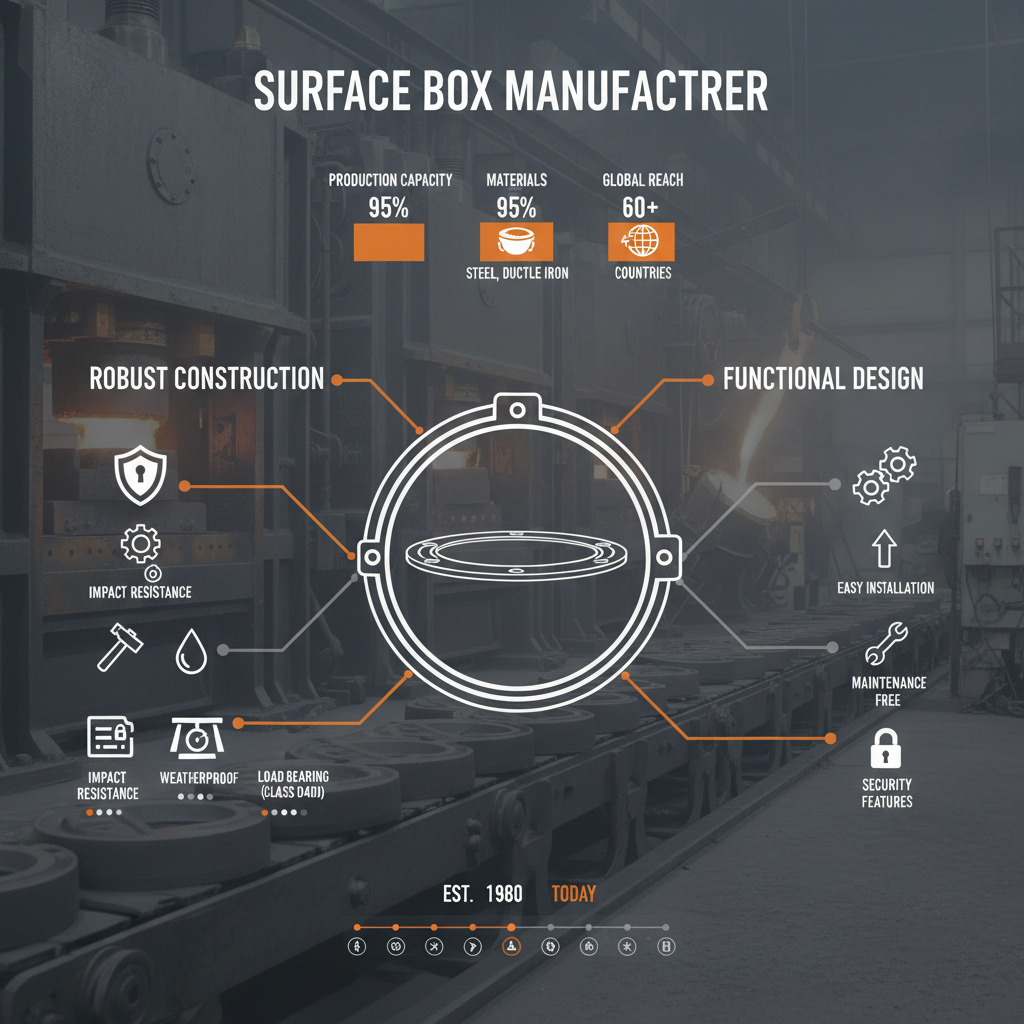
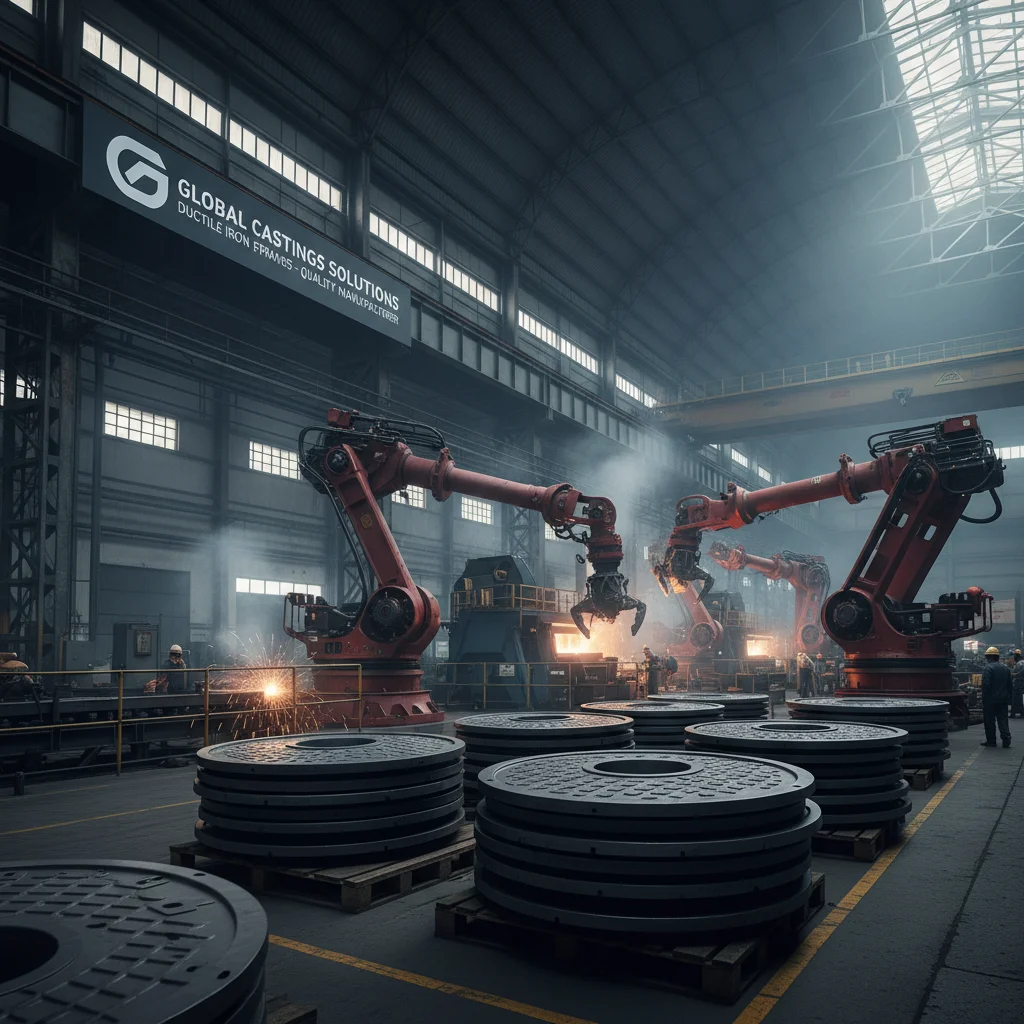
Surface box manufacturers play a crucial, often unseen, role in modern infrastructure. These manufacturers produce essential components that protect underground utilities and facilitate access for maintenance and repair. From telecommunications to power distribution, and drainage systems, durable and reliable surface boxes are integral to the functioning of cities and industries worldwide. Understanding the nuances of surface box manufacturing – the materials, designs, and quality control measures – is vital for engineers, city planners, and procurement specialists alike. surface box manufacturer selection directly impacts the longevity and safety of critical underground infrastructure.
The global demand for robust surface boxes is driven by ongoing infrastructure development and the increasing need to protect vital underground assets. Factors such as urbanization, population growth, and the expansion of telecommunications networks are all contributing to this demand. According to industry reports, the market is experiencing steady growth, particularly in emerging economies investing heavily in infrastructure upgrades. Choosing the right surface box manufacturer means prioritizing longevity, security, and cost-effectiveness.
Investing in quality surface boxes from a reputable manufacturer minimizes downtime, reduces maintenance costs, and enhances public safety. Improperly manufactured or poorly maintained surface boxes can lead to costly repairs, service disruptions, and even potential hazards. Understanding the different types of surface boxes available, and their suitability for specific applications, is paramount to effective infrastructure management.
The Importance of Surface Box Manufacturing
Surface box manufacturing is far more than simply producing metal or composite boxes. It's about ensuring the safe, reliable, and efficient operation of critical underground infrastructure. A quality surface box protects sensitive equipment from the elements, accidental damage, and unauthorized access, minimizing downtime and safeguarding essential services. Selecting the right surface box manufacturer is a proactive investment in the long-term health of your infrastructure network.
Effective surface box manufacturing requires a deep understanding of materials science, engineering principles, and industry standards. Factors such as load capacity, corrosion resistance, and security features must be carefully considered during the design and manufacturing process to ensure optimal performance and durability.
Defining Surface Box Manufacturing
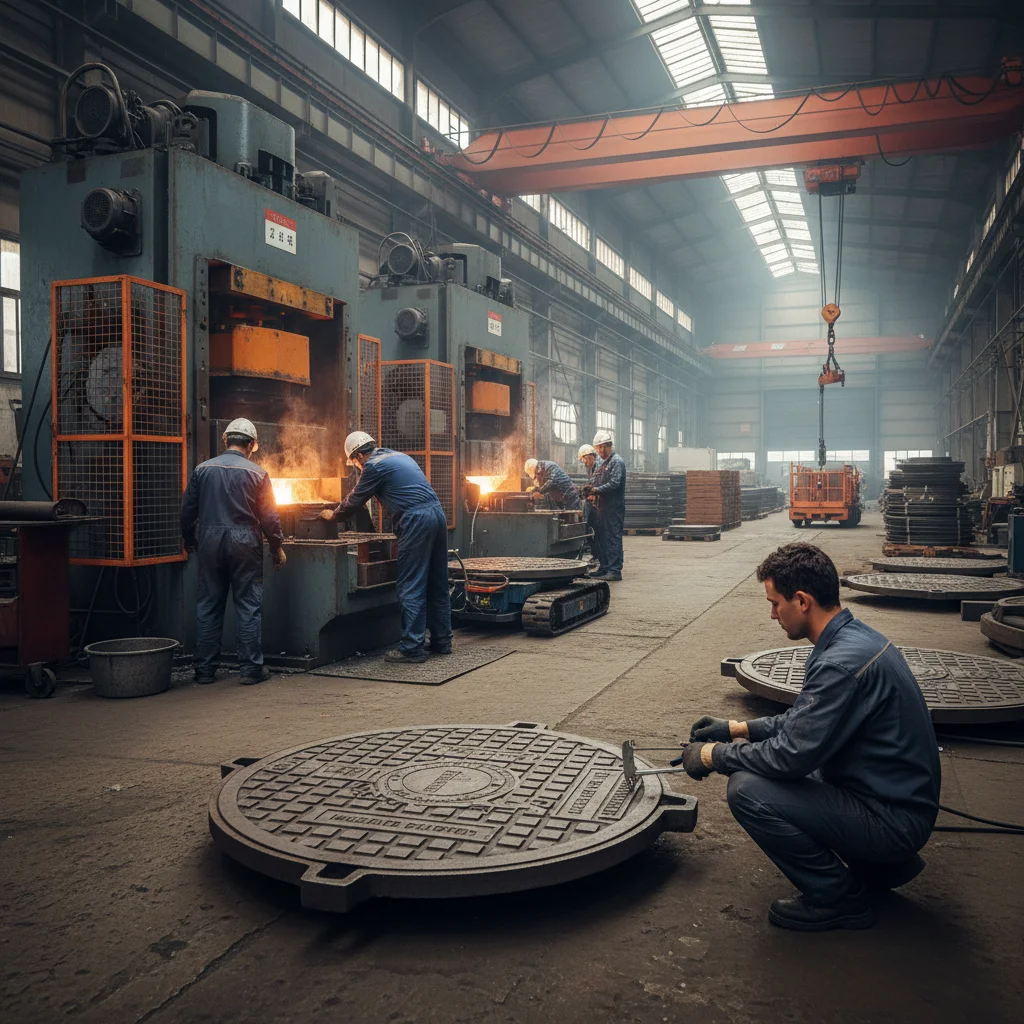
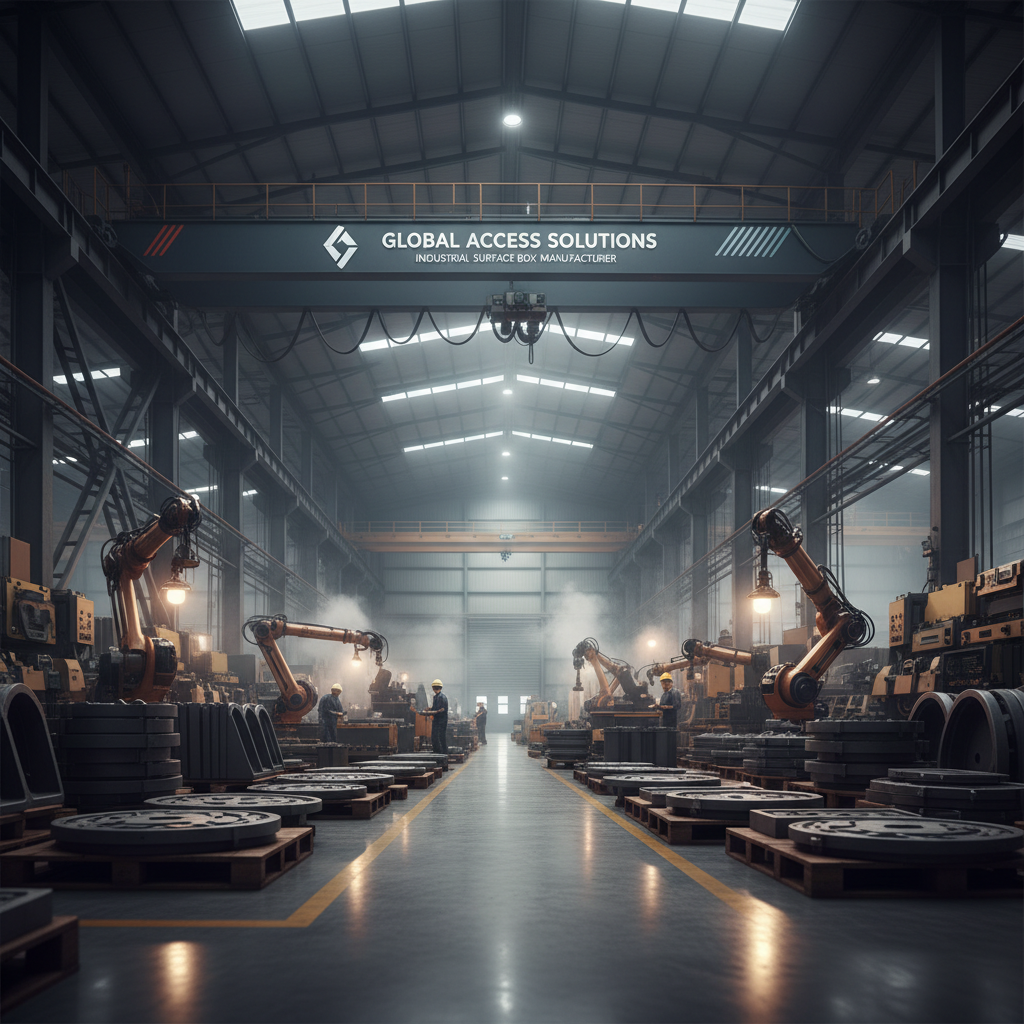
Surface box manufacturing encompasses the processes involved in creating enclosures designed to provide secure access to underground infrastructure. These boxes, typically constructed from ductile iron, steel, or composite materials, house valves, meters, cables, and other essential components. The manufacturing process includes design, material selection, casting/fabrication, finishing (coating, painting), and quality control.
The core purpose of surface box manufacturing is to protect these vital underground assets from environmental factors – moisture, corrosion, temperature fluctuations – and physical damage. Furthermore, they ensure authorized personnel have safe and convenient access for inspection, maintenance, and repair operations. A skilled surface box manufacturer will adhere to stringent industry standards and utilize advanced manufacturing techniques.
The evolution of surface box manufacturing has been driven by the need for increased durability, security, and ease of maintenance. Modern surface boxes often incorporate features such as tamper-proof locking mechanisms, ergonomic lifting handles, and corrosion-resistant coatings.
Core Components of Quality Surface Boxes
Several key components define the quality and performance of a surface box. The primary material, whether ductile iron, steel, or a composite, dictates the box's strength, weight, and corrosion resistance. Ductile iron is a popular choice due to its exceptional strength and durability.
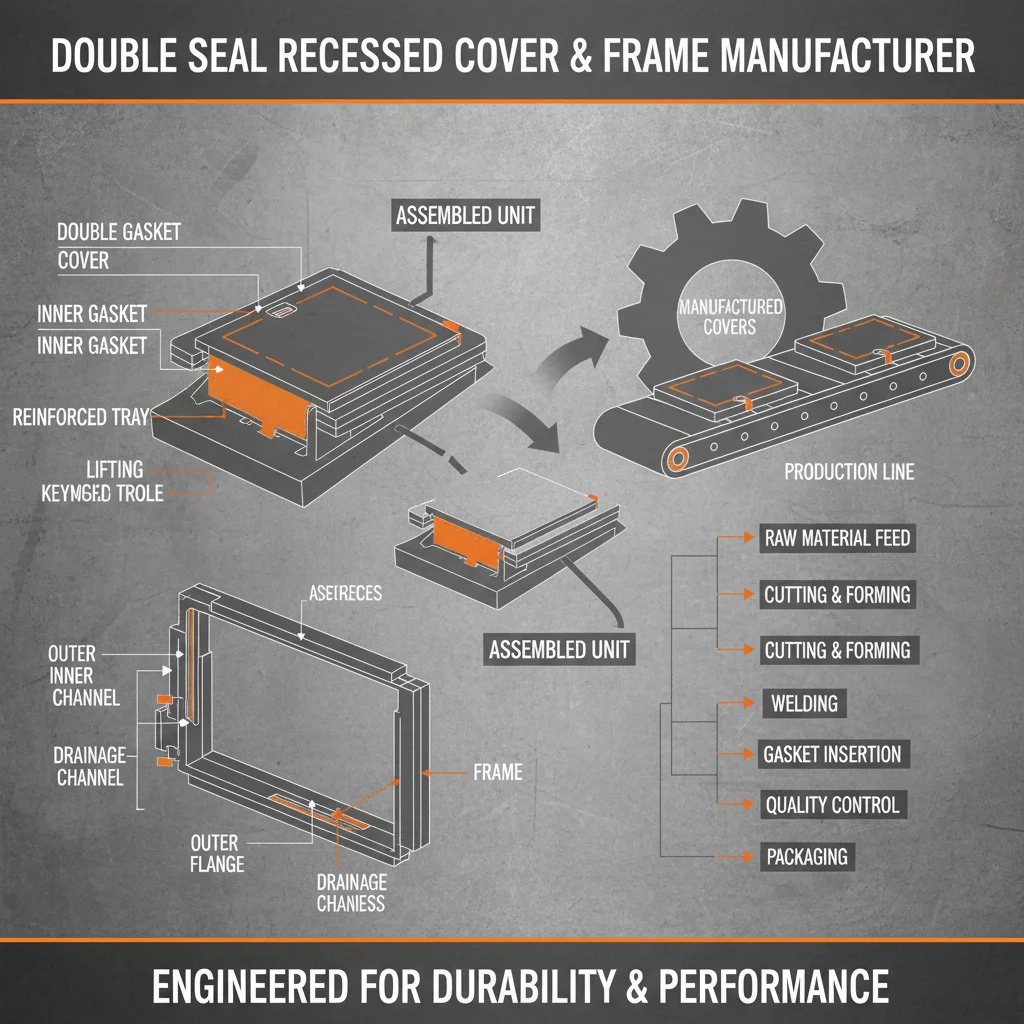
The lid and frame assembly is crucial for security and safety. The lid must be securely fastened to the frame, preventing unauthorized access and accidental falls. Features like recessed lifting handles and tamper-proof bolts are essential. Ensuring a reputable surface box manufacturer utilizes quality hardware is vital.
Coatings and finishes play a vital role in protecting the surface box from corrosion and extending its lifespan. Epoxy coatings, powder coating, and galvanization are commonly used to provide a durable barrier against the elements. Proper surface preparation before coating is essential for optimal adhesion and performance.
Diverse Applications of Surface Boxes
Surface boxes are employed across a wide spectrum of industries and applications. In the telecommunications sector, they protect sensitive fiber optic cables and network equipment. In the water and wastewater industry, they provide access to valves and meters. Power utilities rely on surface boxes to house transformers and electrical connections.
Municipalities utilize surface boxes for various purposes, including protecting water hydrants, sewer access points, and gas shut-off valves. They are also commonly found in transportation infrastructure, safeguarding cable conduits and signal boxes. From remote industrial zones to bustling city centers, effective surface box manufacturer solutions are essential.
Surface Box Application Breakdown
Advantages and Long-Term Value Proposition
Investing in high-quality surface boxes offers numerous advantages. Reduced maintenance costs are a significant benefit, as durable boxes require less frequent repair or replacement. Enhanced safety is another key advantage, as secure lids and frames prevent accidents and unauthorized access. Selecting a reliable surface box manufacturer is a core investment in public and operational safety.
Long-term cost savings are achieved through extended product lifespan and reduced downtime. The environmental benefits of durable products, which minimize waste and resource consumption, should also be considered. Ultimately, a well-maintained infrastructure network built with quality surface boxes contributes to a more sustainable and resilient future.
Global Trends in Surface Box Manufacturing
The surface box manufacturing industry is witnessing several key trends. The increasing demand for composite materials, offering lightweight and corrosion-resistant alternatives to traditional metals, is one notable development. Another trend is the integration of smart technology, such as sensors and remote monitoring systems, into surface boxes.
Sustainability is also a major driver of innovation. Manufacturers are increasingly focused on using recycled materials and implementing eco-friendly manufacturing processes. Furthermore, advancements in coating technologies are leading to enhanced corrosion protection and extended product lifespans.
Digitalization, including utilizing design software and automation in manufacturing, is also reshaping the industry. These technological improvements lead to greater precision, efficiency, and quality control in surface box manufacturer operations.
Challenges and Innovative Solutions
Despite advancements, several challenges remain in surface box manufacturing. Corrosion remains a persistent issue, particularly in harsh environments. Theft and vandalism are also concerns, particularly for surface boxes located in public areas. Ensuring consistent quality control across large-scale production runs is another ongoing challenge.
Innovative solutions are being developed to address these challenges. Advanced coating technologies, such as graphene-enhanced coatings, offer superior corrosion protection. Tamper-proof locking mechanisms and security features are being incorporated into surface box designs. Utilizing AI-powered inspection systems to identify defects in real-time is also becoming increasingly common.
Ultimately, addressing these challenges requires ongoing collaboration between manufacturers, engineers, and end-users. By embracing innovation and adopting best practices, the industry can continue to deliver reliable and durable surface box solutions.
Summary of Solutions to Key Surface Box Manufacturing Challenges
| Challenge |
Severity (1-10) |
Proposed Solution |
Implementation Cost (USD) |
| Corrosion |
8 |
Graphene-enhanced coatings |
$50 - $150/box |
| Theft/Vandalism |
7 |
Tamper-proof locking mechanisms |
$20 - $80/box |
| Quality Control |
6 |
AI-powered inspection systems |
$10,000 - $50,000 (initial investment) |
| Load Bearing Capacity |
5 |
Optimized Ductile Iron Casting |
$10 - $30/box |
| Weight of Box |
4 |
Composite Material Integration |
$40 - $100/box |
| Accessibility for Maintenance |
6 |
Ergonomic Lifting Handles |
$5 - $20/box |
FAQS
Surface boxes are commonly manufactured from ductile iron due to its exceptional strength, durability, and corrosion resistance. Steel and composite materials are also used, offering varying trade-offs in terms of weight, cost, and performance. The best material depends on the specific application and environmental conditions.
Selecting the right surface box requires considering factors such as load capacity, environmental conditions, security requirements, and accessibility for maintenance. Consult with a reputable surface box manufacturer to discuss your specific needs and ensure you choose a product that meets your requirements.
The lifespan of a surface box varies depending on the material, coating, and environmental conditions. Properly maintained ductile iron surface boxes can last for decades, even in harsh environments. Regular inspection and preventative maintenance are crucial for maximizing lifespan.
Corrosion can be prevented by using corrosion-resistant materials, applying protective coatings (such as epoxy or galvanization), and implementing regular inspection and maintenance programs. Ensure the surface box is properly grounded to prevent galvanic corrosion. A quality surface box manufacturer will offer suitable coatings.
Essential safety features include a secure lid and frame assembly, tamper-proof locking mechanisms, ergonomic lifting handles, and clear warning labels. The box should also be designed to meet relevant industry standards and regulations to ensure safe operation.
Composite surface boxes offer advantages such as lighter weight and superior corrosion resistance. However, they may have lower load-bearing capacity and can be more expensive than ductile iron. They are a viable option for specific applications where weight and corrosion are critical concerns.
Conclusion
Surface box manufacturing is a critical component of modern infrastructure, ensuring the safety, reliability, and efficiency of essential underground systems. By prioritizing quality materials, innovative designs, and stringent manufacturing processes, manufacturers play a vital role in protecting these assets and supporting economic development. Understanding the core principles of surface box manufacturing is essential for anyone involved in infrastructure planning, procurement, or maintenance.
Looking ahead, continued innovation in materials science, coating technologies, and smart features will further enhance the performance and longevity of surface boxes. Investing in quality surface boxes is a proactive step towards building a more sustainable and resilient infrastructure network. Visit our website at www.manholecovercn.com to learn more about our comprehensive range of surface box solutions.