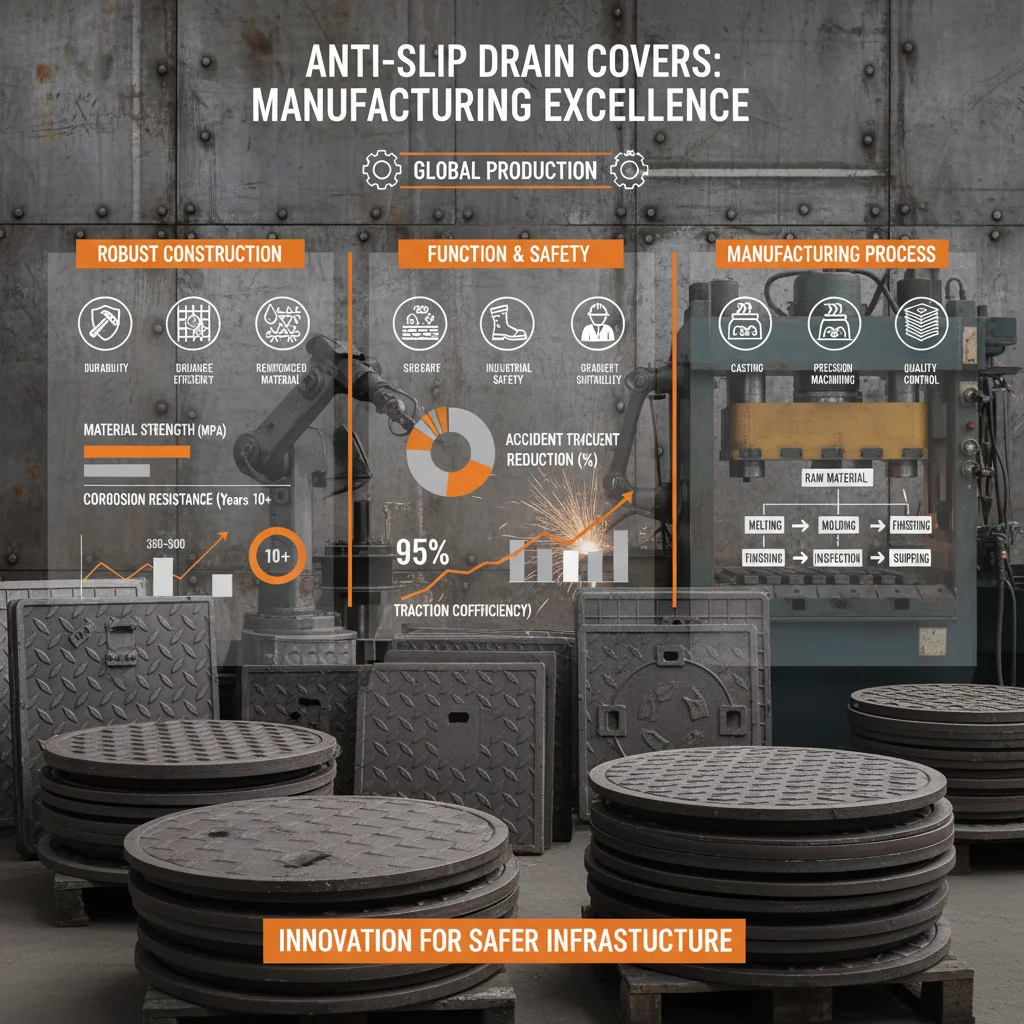
Selecting a professional manhole cover cover factory is a critical decision for urban planners and civil engineers worldwide. These facilities are not merely casting shops; they are the primary guardians of underground infrastructure, ensuring that sewage, telecommunications, and electrical grids remain accessible yet secure from external interference and heavy traffic loads.
The global demand for high-quality drainage solutions has surged as cities expand and climate change increases the frequency of extreme weather events. A specialized manhole cover cover factory leverages advanced metallurgy and precise engineering to create products that prevent urban flooding and protect pedestrians, bridging the gap between raw industrial production and public safety.
Understanding the nuances of manufacturing—from ductile iron casting to composite material integration—allows procurement officers to maximize the lifecycle of their infrastructure investments. By partnering with a reputable manhole cover cover factory, municipalities can reduce long-term maintenance costs while adhering to strict international safety and load-bearing standards.
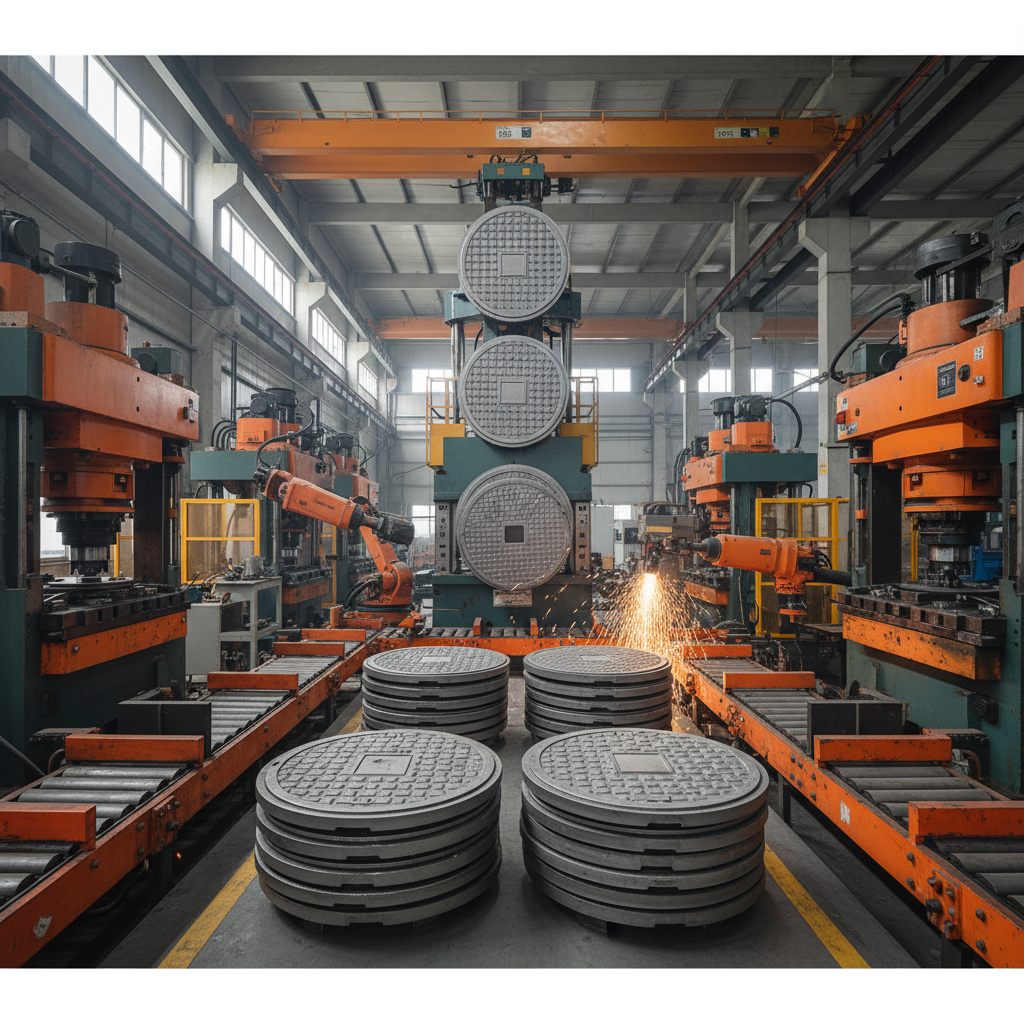
Global Relevance of a Manhole Cover Cover Factory
In the context of rapid global urbanization, the role of a manhole cover cover factory has evolved from a basic forge to a high-tech hub of safety engineering. With the World Bank highlighting the necessity of resilient infrastructure in emerging economies, the production of standardized, high-load capacity covers has become a cornerstone of sustainable city growth. These factories ensure that the "invisible" part of the city—the subterranean network—remains protected against the pressures of megacity traffic.
Failure in these components often leads to catastrophic accidents or costly utility outages. Therefore, the global industry is shifting toward ISO-certified production lines where every piece is tested for tensile strength and fatigue resistance. This global standardization ensures that a cover produced in a leading manhole cover cover factory meets the same safety benchmarks whether it is installed in London, Singapore, or New York.
Defining the Modern Manhole Cover Cover Factory
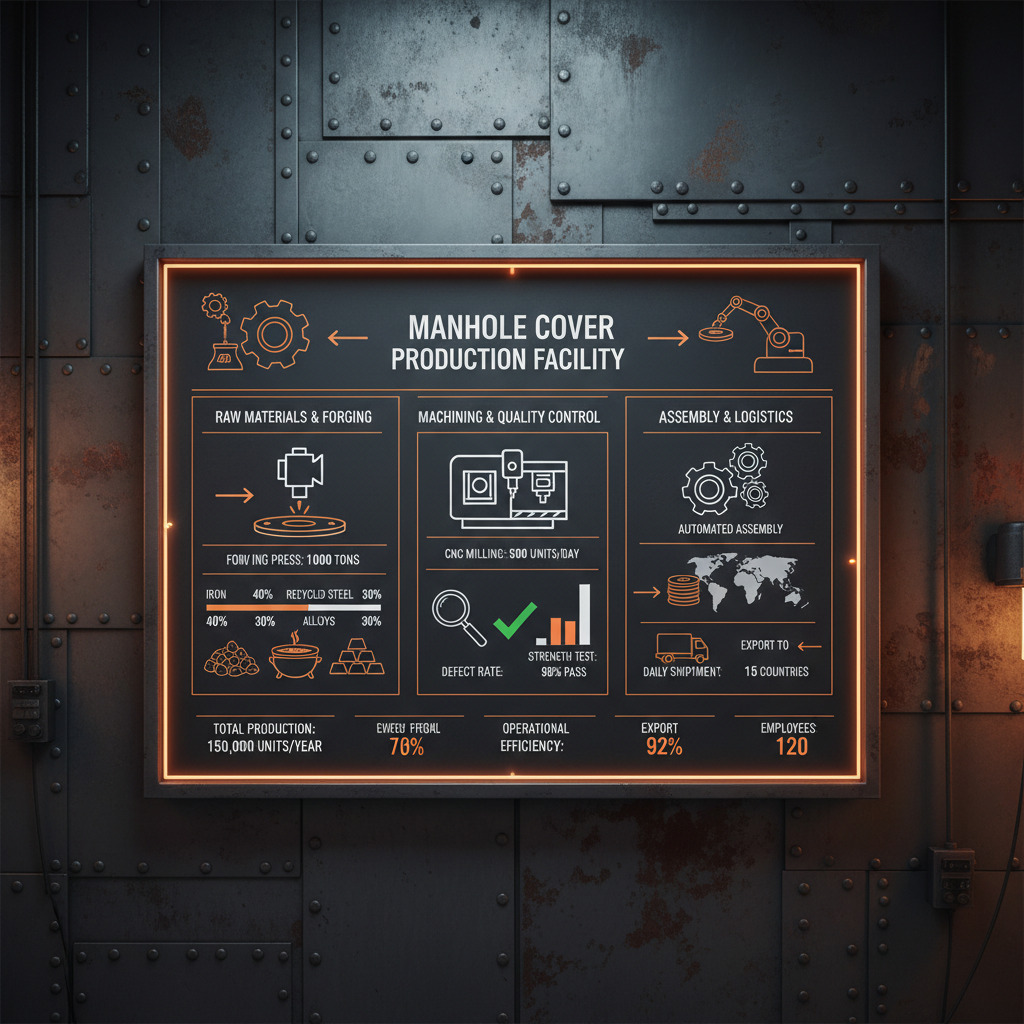
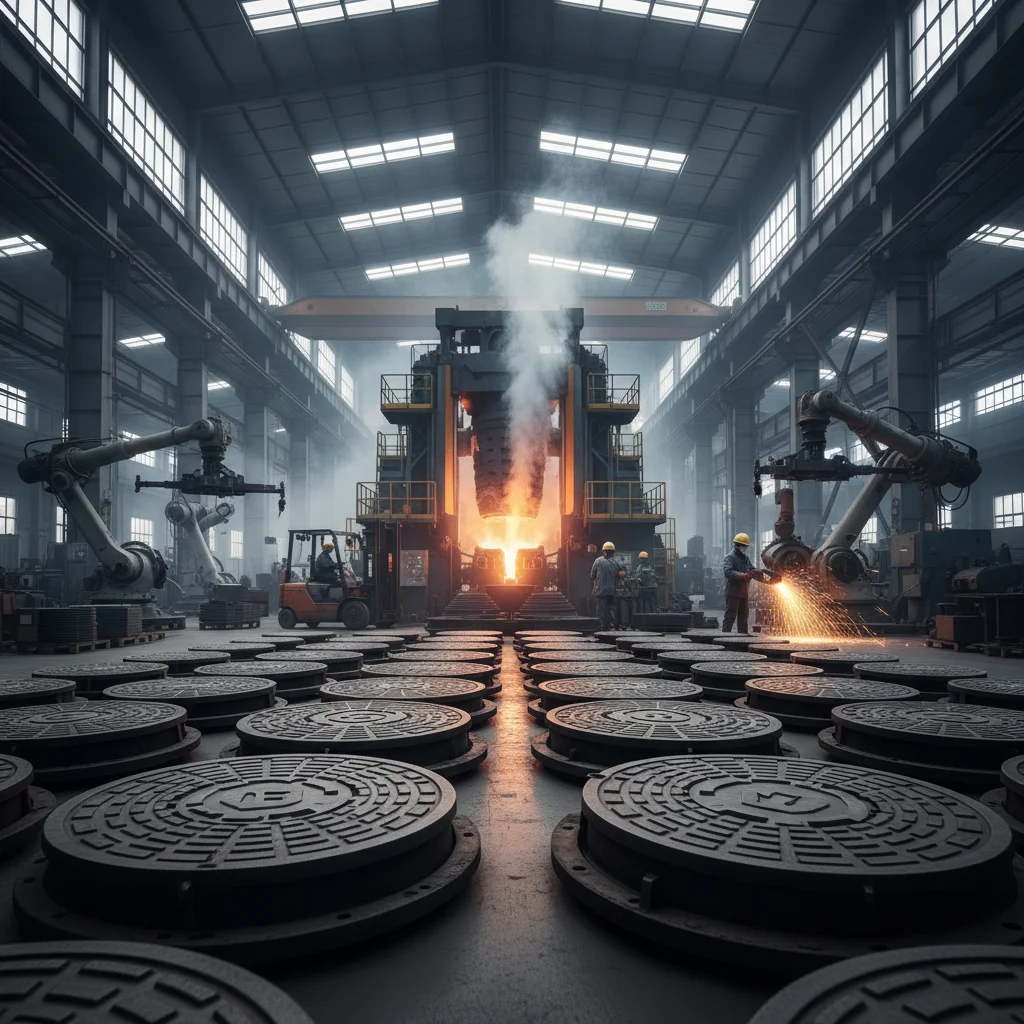
At its core, a manhole cover cover factory is a specialized industrial facility dedicated to the design, molding, and finishing of access covers and frames used for drainage, telecommunications, and electrical utilities. Unlike general metal workshops, these factories employ advanced casting techniques—such as centrifugal casting or automated molding—to ensure that materials like ductile iron or composite polymers are distributed evenly, eliminating air pockets that could lead to structural failure.
Modern facilities integrate the production of a wide range of products, including Drainage Gratings, Ductile Iron Manhole Covers, and Steel Frame Manhole Covers. By focusing on the specific chemical composition of the alloys, a manhole cover cover factory can tailor products to resist corrosion in salty coastal environments or withstand extreme temperature fluctuations in alpine regions, making them essential for humanitarian and civic stability.
Furthermore, the connection between these factories and modern industry lies in the "Smart City" movement. Many contemporary factories are now integrating RFID tags or sensors into their covers, allowing city operators to monitor gas levels or detect unauthorized openings remotely. This transformation turns a simple piece of cast iron into an intelligent node of an urban management system.
Core Components of Quality Manufacturing
The hallmark of a superior manhole cover cover factory is its commitment to material durability. Using high-grade ductile iron allows the covers to flex slightly under extreme pressure rather than cracking, which is a critical safety requirement for heavy-duty road applications.
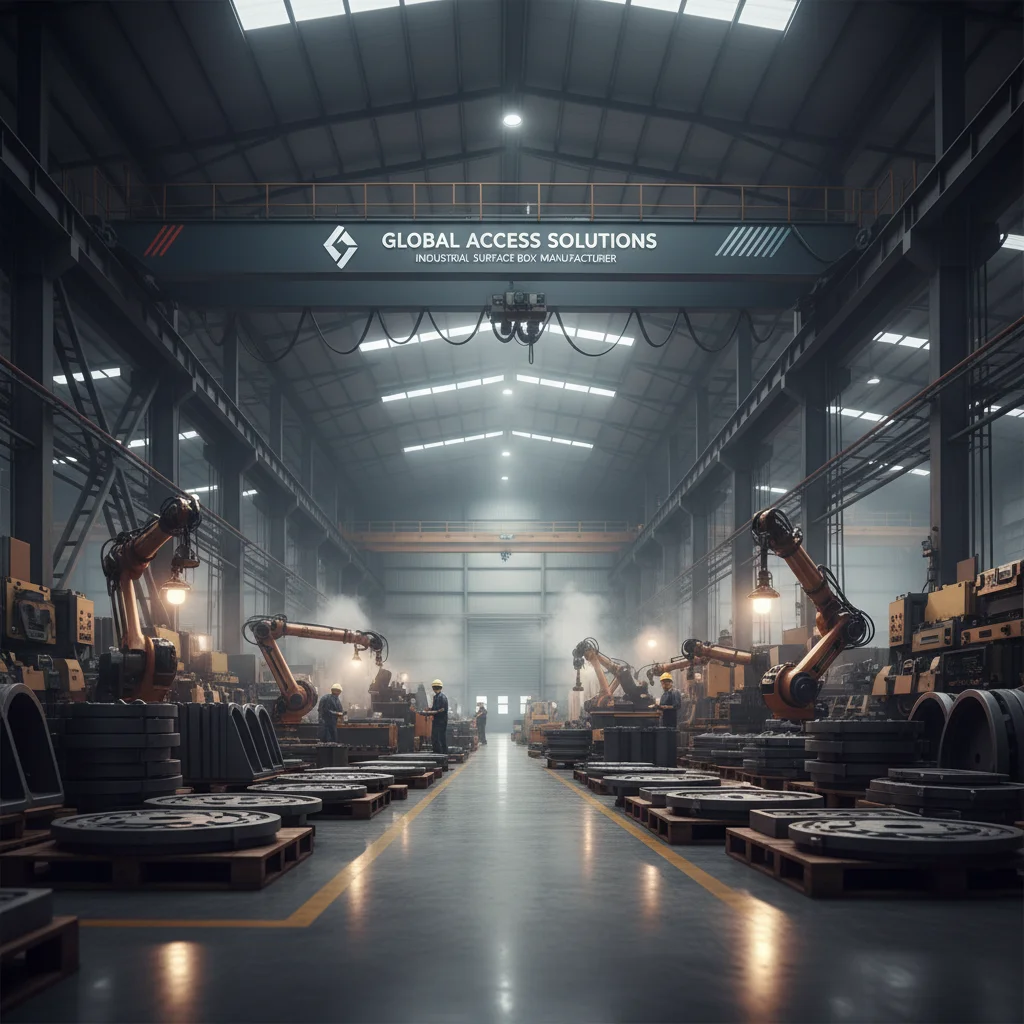
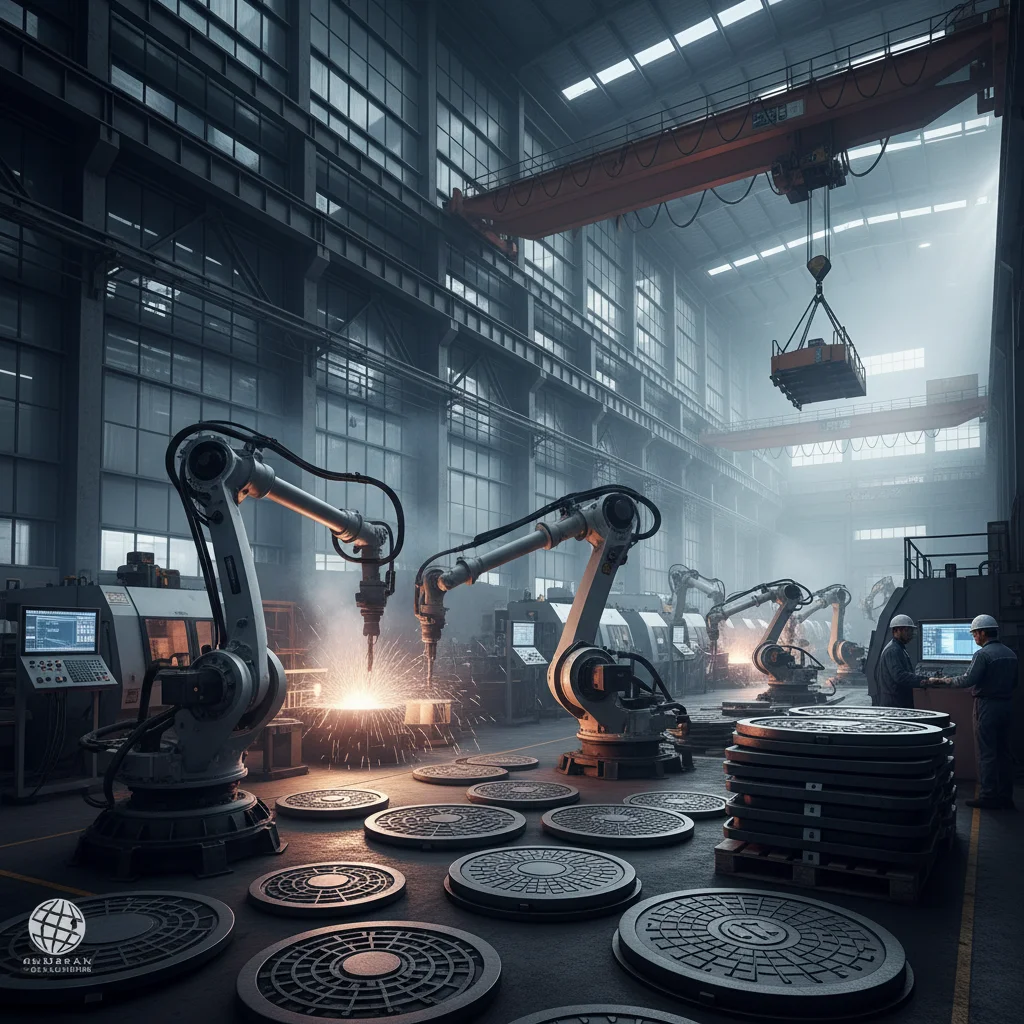
Scalability in production is another vital factor. A leading manhole cover cover factory must be able to handle massive municipal contracts without compromising the precision of each unit. This is achieved through the use of CNC machining and automated quality control systems that verify dimensions to the millimeter.
Finally, cost efficiency is balanced with reliability. By optimizing the melting process and reducing scrap metal waste, a manhole cover cover factory can provide competitive pricing while ensuring that the final product exceeds the load-bearing ratings (such as Class D400 or F900) required for industrial zones.
Practical Applications in Urban Environments
The outputs of a manhole cover cover factory are deployed across a diverse array of real-world scenarios. In high-traffic metropolitan areas, Ductile Iron Manhole Covers are essential for maintaining road integrity. In contrast, residential areas often utilize lighter-duty Surface Boxes and Telecom Manhole Covers to protect sensitive fiber optic cabling from environmental degradation.
Beyond city centers, these products play a vital role in specialized industrial zones. For instance, in chemical processing plants, a manhole cover cover factory might produce customized corrosion-resistant alloys that prevent hazardous leaks. Similarly, in post-disaster reconstruction efforts, rapidly deployable drainage gratings are used to restore sanitary conditions and prevent waterborne diseases by managing runoff efficiently.
Performance Metrics of Different Production Methods
Long-Term Value and Sustainability Benefits
Investing in products from a high-tier manhole cover cover factory yields tangible long-term financial benefits. High-quality ductile iron is naturally recyclable, contributing to a circular economy. When a cover reaches the end of its 30-year lifespan, it can be melted down and recast, reducing the need for virgin ore mining and lowering the overall carbon footprint of the city's infrastructure.
Beyond the economic logic, there is a profound human element: safety and trust. A perfectly seated manhole cover prevents accidents and ensures that emergency services can access utility lines without delay. The psychological peace of mind knowing that the ground beneath one's feet is secure is an intangible but invaluable social impact provided by rigorous factory standards.
Future Trends in Casting Technology
The future of the manhole cover cover factory is inextricably linked to digital transformation. We are seeing a shift toward "Industry 4.0," where AI-driven thermal imaging monitors the cooling process of molten metal in real-time to prevent internal stresses. This automation minimizes human error and ensures that every Roof Drainage System Product meets exact specifications before it even leaves the mold.
Material science is also evolving. While ductile iron remains the gold standard for load-bearing, many factories are experimenting with high-strength polymer composites that are completely immune to rust and theft (as they lack scrap metal value). This innovation is particularly useful for telecommunications covers in urban centers where theft of iron covers is a recurring municipal headache.
Additionally, "Green Casting" is becoming a priority. Leading factories are implementing electric arc furnaces powered by renewable energy to reduce greenhouse gas emissions. This alignment with global ESG (Environmental, Social, and Governance) goals ensures that the manhole cover cover factory remains a viable partner for government projects that mandate sustainable procurement.
Overcoming Industrial Manufacturing Challenges
One of the most persistent challenges for any manhole cover cover factory is the balance between weight and strength. Traditional iron covers are incredibly heavy, making installation and maintenance labor-intensive and potentially hazardous for workers. To solve this, engineers are designing honeycomb internal structures that maintain load capacity while reducing overall mass.
Another hurdle is the issue of "noise pollution" caused by loose-fitting covers that rattle when vehicles pass over them. The solution lies in precision-engineered locking mechanisms and the use of high-density gaskets. By implementing these tighter tolerances, a manhole cover cover factory can significantly improve the quality of life for residents living along busy thoroughfares.
Lastly, managing global supply chain volatility for raw materials requires strategic stockpiling and diversifying alloy sources. By adopting lean manufacturing principles, factories can reduce lead times and ensure that critical infrastructure projects are not delayed by a shortage of iron or magnesium.
Comparison of Manufacturing Standards and Material Performance
| Material Type |
Load Capacity (Rating) |
Corrosion Resistance |
Lifespan (Years) |
| Grey Cast Iron |
Medium (Class B125) |
Moderate |
15-20 |
| Ductile Iron |
High (Class D400) |
High |
30-50 |
| Composite Material |
Variable (Class C250) |
Excellent |
25-30 |
| Stainless Steel |
Very High (Class F900) |
Maximum |
50+ |
| Steel Frame / Composite |
High (Class D400) |
High (Coated) |
20-30 |
| Aluminum Alloy |
Low (Class A15) |
High |
15-25 |
FAQS
You should request a certification report based on EN 124 or ASTM standards. A reputable factory will provide test data showing the "Class" of the cover (e.g., D400 for heavy traffic), which specifies the exact tonnage the cover can withstand before deformation. Always look for independent third-party lab verification.
It depends on the application. Composite covers are superior in terms of corrosion resistance and are virtually theft-proof. However, for extremely high-load areas like airport runways or main highways, ductile iron remains the preferred choice due to its unmatched compressive strength and structural stability.
Generally, high-quality ductile iron covers are designed to last between 30 to 50 years. The lifespan depends heavily on the environment; for instance, covers in coastal areas may wear faster due to salt spray, while those in low-traffic residential zones can last well over half a century with minimal maintenance.
Yes, professional factories utilize customizable molds and CNC machining to create bespoke dimensions. Whether you need a specific opening size for a Telecom Manhole Cover or a unique pattern for an architectural project, most factories can provide OEM services based on your technical drawings.
Many factories now offer locking mechanisms that require a special key for opening. Alternatively, switching to composite materials removes the incentive for theft as they have no scrap value. Some factories also embed GPS or RFID trackers into the cover to alert authorities if the cover is moved.
Key warning signs include visible cracks in the frame, a "rocking" motion when vehicles drive over the cover, or significant surface erosion that has thinned the metal. If the cover makes a loud clanging noise, it may indicate that the seating has worn down, necessitating a replacement from your manhole cover cover factory.
Conclusion
In summary, the operational excellence of a manhole cover cover factory is fundamental to the resilience of modern urban infrastructure. By integrating advanced metallurgy, strict ISO compliance, and innovative materials, these factories ensure that the vital arteries of our cities—from drainage to data—remain protected and accessible. The transition toward sustainable, smart, and high-durability covers reflects a broader commitment to public safety and environmental stewardship.
Looking forward, the industry must continue to embrace digitalization and green energy to minimize the ecological impact of metal casting. For developers and municipal leaders, the priority should be partnering with factories that view a manhole cover not as a commodity, but as a critical piece of safety engineering. To ensure your project utilizes the highest standards of durability and precision, visit our website: www.manholecovercn.com.