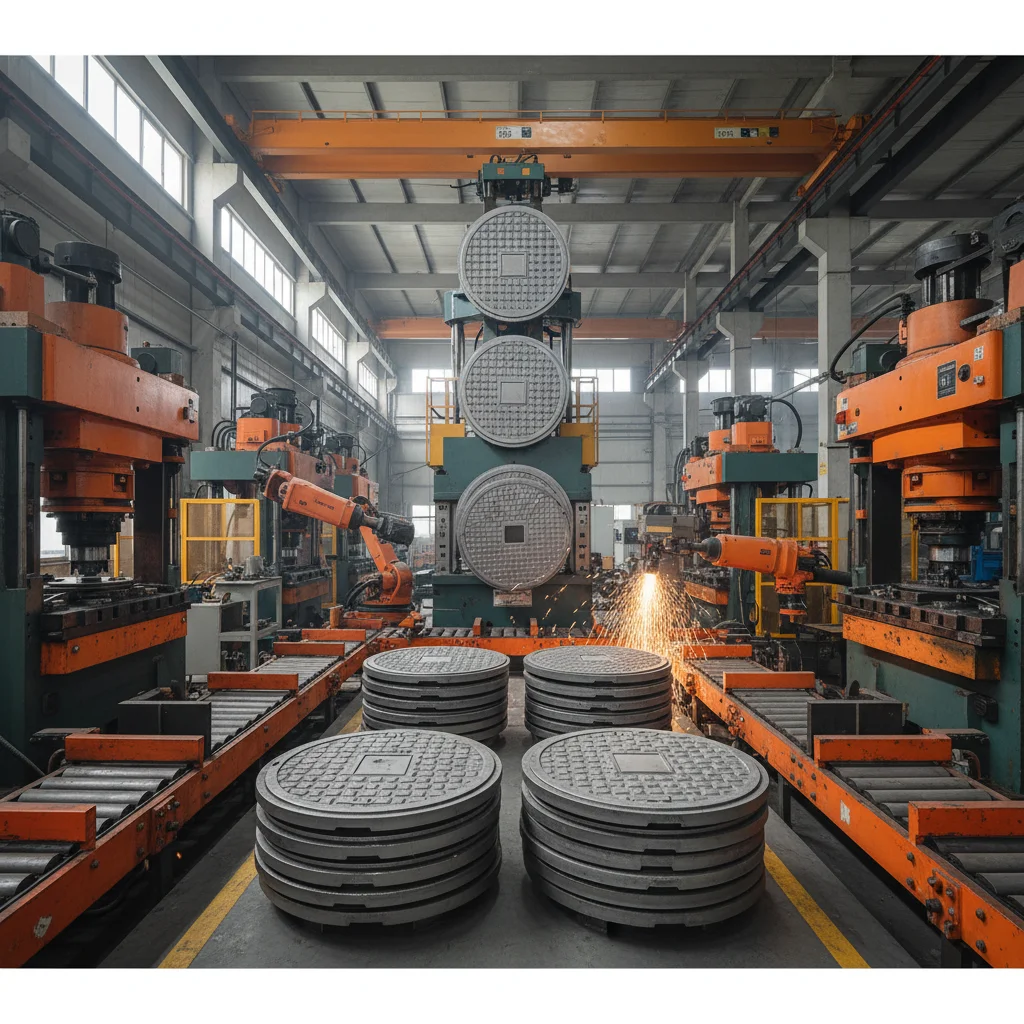
Selecting a professional man hole cover frame factory is a critical decision for urban planners and civil engineers globally. These components serve as the primary gateway to essential underground infrastructure, ensuring that sewage, electrical, and telecommunications networks remain accessible while protecting the public from hazardous drops and maintaining road integrity.
Beyond simple iron casting, a modern man hole cover frame factory integrates advanced metallurgy and precise engineering to meet diverse load-bearing requirements, from light pedestrian walkways to heavy-duty industrial highways. The quality of the frame determines the lifespan of the installation, preventing the common issue of "rocking" covers that lead to noise pollution and rapid pavement degradation.
In an era of rapid urbanization, the demand for sustainable and durable drainage solutions has never been higher. Understanding the technical capabilities of a leading man hole cover frame factory allows procurement officers to balance initial cost-efficiency with long-term structural reliability, ultimately reducing municipal maintenance budgets and improving city safety.
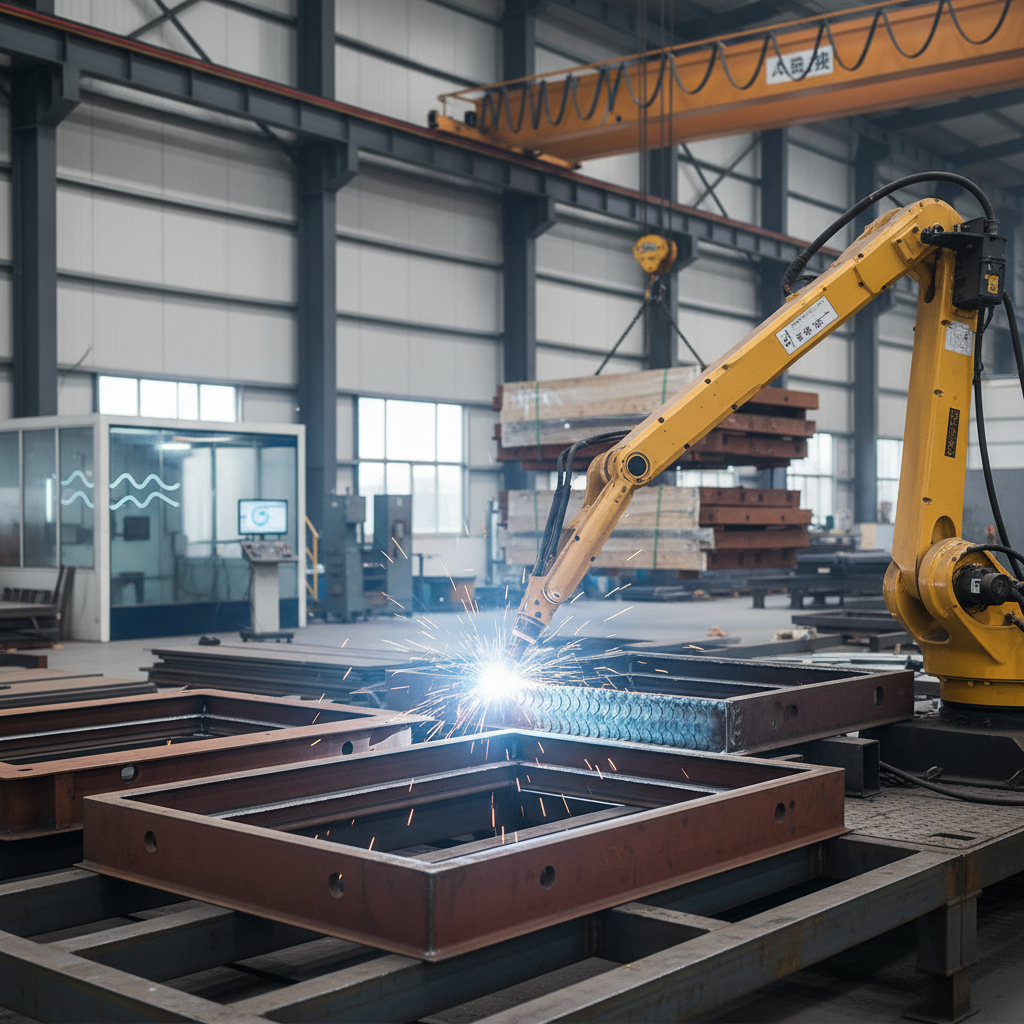
Global Industry Context of Manhole Cover Production
The global infrastructure market is currently witnessing a massive shift toward smart city integration, where the role of a man hole cover frame factory extends beyond casting iron. According to ISO standards for urban drainage, the failure of a single manhole frame can lead to significant road subsidence, which in turn causes traffic congestion and safety risks for millions of commuters worldwide.
In many developing regions, the challenge lies in the rapid expansion of sewage systems without a corresponding increase in the quality of access points. This gap often leads to the use of substandard materials that corrode quickly under chemical stress, highlighting the necessity for a factory that adheres to strict international quality controls and material certification.
Defining the Role of a Man Hole Cover Frame Factory
At its core, a man hole cover frame factory is a specialized manufacturing facility dedicated to the production of the structural rings (frames) and the removable lids (covers) that seal off underground utilities. These factories employ high-precision casting processes—typically using ductile iron or composite materials—to ensure that the interface between the road surface and the utility shaft is seamless and watertight.
Modern factories are no longer just "foundries"; they are engineering hubs that integrate CAD design and stress-testing simulations. By focusing on the "frame" specifically, these factories ensure that the cover has a precise seat, which prevents the rattling noise and mechanical wear associated with heavy vehicle traffic, thereby extending the life of the surrounding asphalt or concrete.
From a humanitarian and urban safety perspective, these facilities provide the essential "shield" for our cities. Whether it is protecting telecom fiber optics or ensuring safe access for sewage workers, the output of a certified man hole cover frame factory ensures that critical city functions can be maintained without endangering the pedestrians walking above.
Core Technical Components for Maximum Durability
Material selection is the first pillar of quality within a man hole cover frame factory. While grey iron was the historical standard, the industry has shifted toward ductile iron (Spheroidal Graphite Iron), which offers significantly higher tensile strength and impact resistance, preventing the brittle fractures common in high-traffic urban zones.
Precision machining of the seating surface is what differentiates a premium man hole cover frame factory from a low-end provider. A perfectly machined flange ensures a tight fit between the cover and the frame, eliminating the "clanking" sound and reducing the risk of the cover being displaced by hydraulic pressure during heavy rain or flash floods.
Finally, protective coatings—such as bitumen paint or epoxy coatings—are applied to prevent oxidation. A top-tier man hole cover frame factory utilizes automated coating lines to ensure uniform thickness, which is vital for products installed in coastal regions where salt-air corrosion can degrade unprotected metal in a matter of months.
Global Applications and Strategic Use Cases
The products from a man hole cover frame factory are deployed across a vast array of environments, each requiring specific load classes (e.g., A15 for pedestrians to F900 for airport runways). In dense metropolitan areas like Tokyo or New York, the focus is on high-load capacity and anti-theft locking mechanisms to prevent unauthorized access to critical fiber optic networks.
In industrial zones, such as chemical refineries or mining sites, the applications shift toward corrosion resistance. Here, the factory must provide frames and covers that can withstand acidic runoff and extreme temperature fluctuations without warping, ensuring that the structural integrity of the drainage system remains uncompromised over decades.
Comparative Performance of Man Hole Cover Frame Factory Methods
Long-Term Value and Economic Advantages
Investing in high-quality components from a reputable man hole cover frame factory provides a tangible return on investment through reduced maintenance cycles. Cheaply made frames often warp or crack, leading to "pothole" effects around the manhole, which requires expensive asphalt patching and repeated road closures.
Beyond the financial aspect, there is a significant safety value. A stable, well-fitted frame prevents vehicle tires from being damaged and, more importantly, prevents pedestrians from tripping. The peace of mind that comes from knowing an urban drainage system is secured by industrial-grade frames allows city managers to focus on growth rather than constant emergency repairs.
Future Innovations in Drainage Engineering
The future of the man hole cover frame factory is inextricably linked to the "Internet of Things" (IoT). We are seeing the rise of "Smart Covers" that feature embedded sensors to monitor gas levels in sewers, detect flood levels in real-time, or even alert authorities when a cover has been illegally removed or shifted.
Sustainability is also driving innovation. Many factories are now implementing "Green Foundry" practices, utilizing recycled scrap metal and energy-efficient induction furnaces to reduce the carbon footprint of every ton of iron produced. This shift ensures that urban infrastructure growth does not come at the expense of the environment.
Furthermore, the adoption of 3D printing for rapid prototyping of custom frames is allowing factories to create bespoke solutions for heritage sites or complex architectural projects, where standard circular dimensions do not fit the aesthetic or structural requirements of the site.
Overcoming Common Manufacturing Challenges
One of the primary challenges faced by a man hole cover frame factory is achieving absolute dimensional stability. Thermal expansion and contraction during the cooling process can cause frames to warp, which leads to poor fitting in the field. To solve this, advanced factories use controlled cooling chambers and precision jigs.
Another common issue is the "weight-to-strength" ratio. While heavy iron is strong, it is difficult to transport and install. The industry is solving this by optimizing the internal ribbing of the frames, using FEA (Finite Element Analysis) to remove unnecessary metal while maintaining the load-bearing capacity required by EN 124 standards.
Finally, the challenge of theft—especially for high-value scrap metal—has led factories to develop integrated locking systems and the use of composite materials that have little to no resale value as scrap, thereby securing the city's infrastructure against opportunistic crime.
Analysis of Manufacturing Standards and Performance Metrics
| Material Type |
Load Class (Max) |
Corrosion Resistance |
Typical Lifespan |
| Ductile Iron |
F900 (Heavy Duty) |
High (Coated) |
30-50 Years |
| Grey Iron |
D400 (Medium) |
Moderate |
15-20 Years |
| Composite |
C250 (Light/Med) |
Excellent |
25-40 Years |
| Steel Frame |
E600 (Heavy) |
Moderate (Galvanized) |
20-30 Years |
| Polymer Concrete |
B125 (Light) |
High |
20-30 Years |
| Custom Alloy |
F900 (Ultra Heavy) |
Extreme |
50+ Years |
FAQS
Selection depends on the installation location. For residential driveways, a B125 or C250 rating is usually sufficient. For main roads with heavy truck traffic, you must specify D400 or E600. For airport runways or docks, F900 is required. A professional factory will provide a load-bearing chart to help you match the product to the specific axle load of the vehicles using the area.
It depends on the priority. Ductile iron offers superior strength and is the gold standard for high-traffic areas. Composites are better for environments with high chemical corrosion (like wastewater plants) and are significantly lighter, making them easier to lift and safer for workers, though they may have lower peak load capacities than ductile iron.
The best solution is to request anti-theft locking mechanisms from the man hole cover frame factory. These include bolted systems that require a specialized key to open. Alternatively, switching to composite materials removes the incentive for theft, as composites have no scrap metal value compared to iron or steel.
Look for ISO 9001 for quality management and, more importantly, EN 124 (European Standard) or AASHTO (American Standard). These certifications guarantee that the products have undergone rigorous load testing and material analysis, ensuring they won't collapse under the specified weight limits.
Yes, most professional factories offer OEM services. By providing a technical drawing or a sample, the factory can create custom molds to match existing infrastructure or specific architectural requirements. This is common for historical restoration projects where standard sizes are not compatible with old masonry.
Lead times vary based on whether the design is standard or custom. Standard products are often in stock or can be cast within 2-4 weeks. Custom molds may take 4-8 weeks for design and tooling. Always confirm the production capacity of the factory to ensure they can meet your project deadlines without compromising quality.
Conclusion
In summary, the role of a man hole cover frame factory is fundamental to the resilience and safety of modern urban infrastructure. By integrating high-grade materials like ductile iron, adhering to international load standards, and embracing innovations in IoT and sustainable casting, these factories ensure that our cities remain functional and safe. The choice of a supplier based on technical precision and material certification directly impacts the longevity of the road surface and the safety of every citizen.
Looking forward, the industry is moving toward a synergy of strength and intelligence. As we build the smart cities of tomorrow, the humble manhole cover will evolve into a data point for urban management. We recommend that engineers and procurement officers prioritize factories that invest in R&D and eco-friendly production, as these partners will provide the most sustainable value over the next several decades. Visit our website: www.manholecovercn.com