

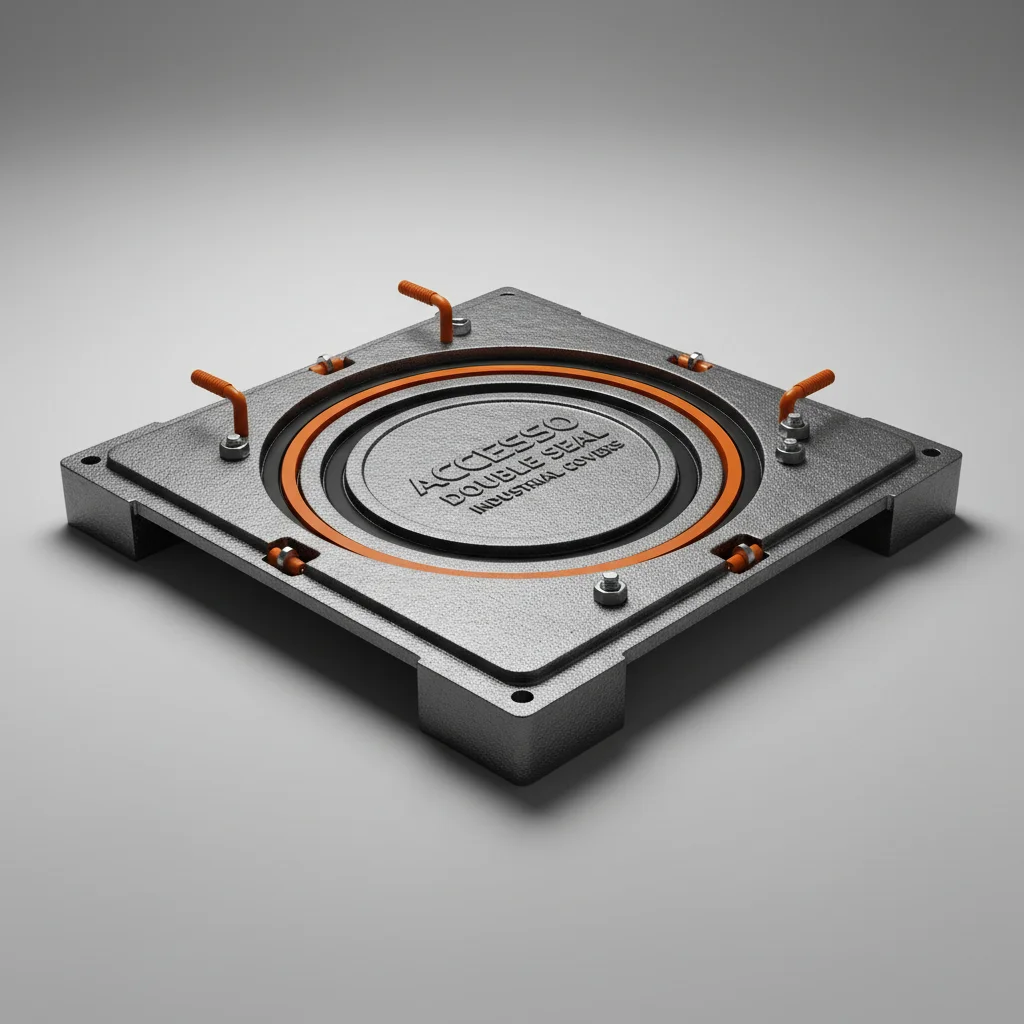
Comprehensive Guide to Double Sealed Recessed Access Cover Manufacturer Selection
Understanding Double Sealed Recessed Access Cover Manufacturers
In the realm of infrastructure and construction, safeguarding access points is paramount. Double sealed recessed access covers provide a robust and secure solution, and choosing the right double sealed recessed access cover manufacturer is crucial. This article delves into the importance of these covers, the key considerations when selecting a manufacturer, the benefits of double sealing, and the applications where they excel. We'll explore how these covers enhance safety, security, and longevity in various projects.
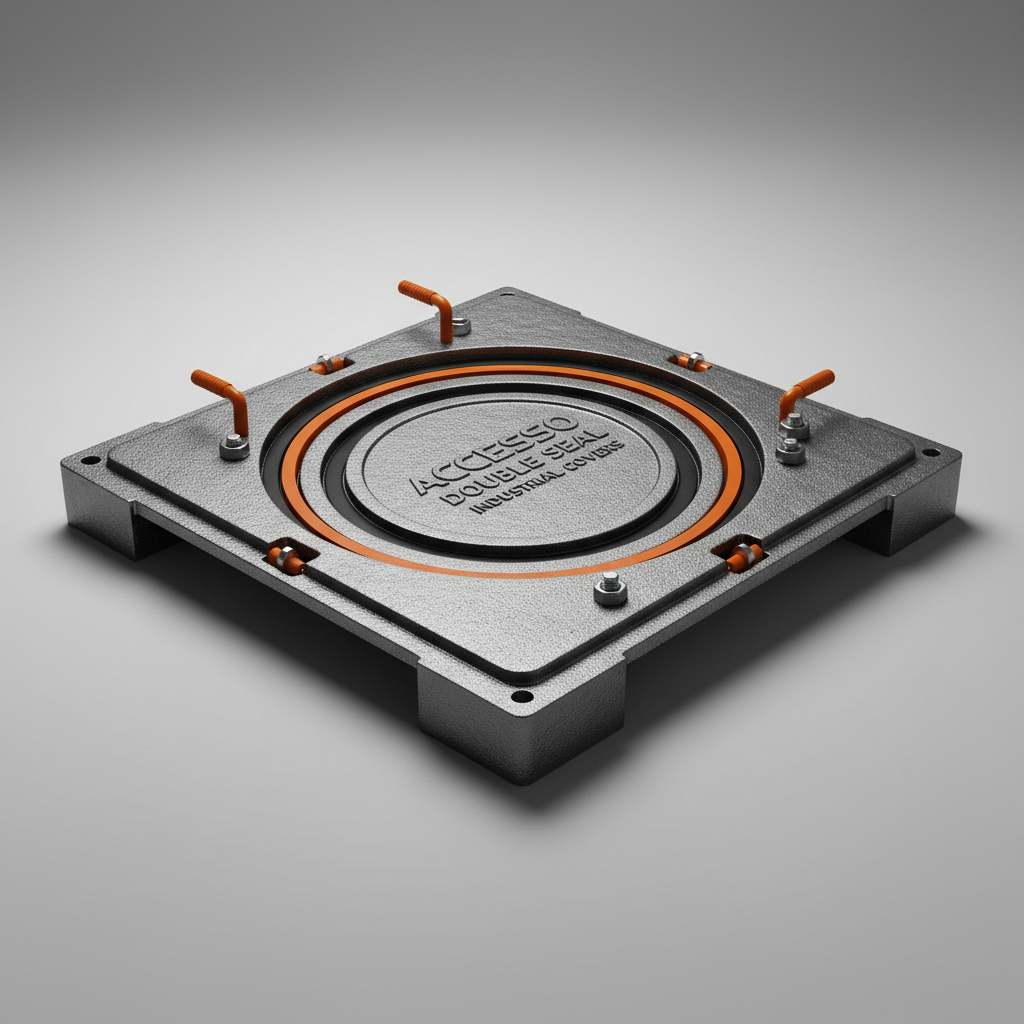
Why Choose a Specialized Double Sealed Recessed Access Cover Manufacturer?
Selecting a manufacturer specializing in double sealed recessed access covers offers several advantages. These manufacturers possess the expertise to design covers that meet specific load-bearing requirements, environmental conditions, and security needs. They utilize high-quality materials – often ductile iron, steel, or composite materials – and employ rigorous quality control processes. A dedicated manufacturer understands the nuances of sealing technologies, ensuring a watertight and secure fit. Furthermore, they often offer customization options to suit unique project specifications, including size, shape, and locking mechanisms. Partnering with a specialist ensures you receive a product built for long-term performance and reliability.
Key Benefits of a Specialized Manufacturer: Expertise in design and materials, rigorous quality control, customized solutions, and long-term product performance.
The Importance of Double Sealing in Recessed Access Covers
Double sealing significantly enhances the functionality and reliability of recessed access covers. The primary purpose is to prevent water ingress, protecting underground infrastructure from corrosion, damage, and potential safety hazards. The first seal provides the initial barrier, while the second acts as a backup, offering redundancy in case the first seal is compromised. This is particularly critical in areas prone to heavy rainfall, flooding, or groundwater infiltration. Double sealing also minimizes the escape of gases or odors, improving environmental safety and preventing unpleasant smells. Ultimately, it extends the lifespan of the infrastructure and reduces maintenance costs.
Double Sealing Benefits:
• Prevents water ingress and corrosion
• Redundant protection against seal failure
• Minimizes gas or odor escape
• Extends infrastructure lifespan
Key Considerations When Choosing a Double Sealed Recessed Access Cover Manufacturer
Several factors should influence your decision when selecting a double sealed recessed access cover manufacturer. First, assess their experience and reputation in the industry. Look for certifications like ISO 9001, demonstrating commitment to quality management. Verify their ability to meet relevant industry standards (e.g., EN 124 for manhole covers). Consider the materials they use and their corrosion resistance properties. Evaluate their customization capabilities to ensure they can fulfill specific project requirements. Finally, check their lead times, pricing, and after-sales support. A reliable manufacturer will provide clear communication, timely delivery, and responsive customer service.
Applications of Double Sealed Recessed Access Covers
These covers are vital in a wide range of applications. They are commonly used in telecommunications infrastructure, protecting access to underground cables and equipment. In water and wastewater treatment facilities, they safeguard access points to pumps, valves, and monitoring systems. They are also employed in power distribution networks, providing secure access to electrical vaults. Furthermore, they find use in landscaping projects, covering irrigation systems and drainage points. Their robust design and sealing capabilities make them suitable for high-traffic areas like roadways and sidewalks, ensuring safety and preventing disruption.
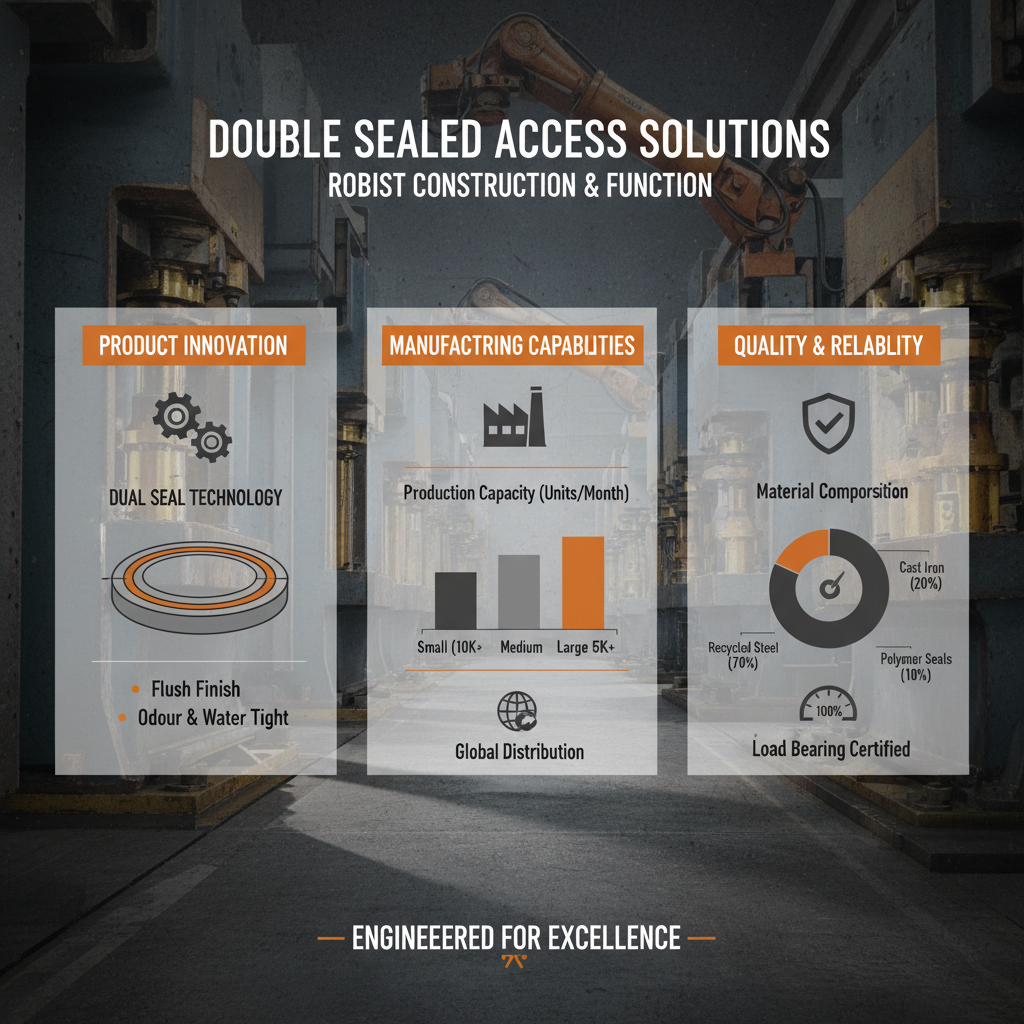
Product Specifications and Material Options
When evaluating a double sealed recessed access cover manufacturer, understand their available specifications. Common materials include ductile iron (known for its strength and durability), steel (offering cost-effectiveness), and composite materials (providing lightweight options with excellent corrosion resistance). Load-bearing capacity is a critical specification, ensuring the cover can withstand anticipated traffic loads. The sealing material (typically EPDM rubber) should be resistant to degradation from environmental factors. Consider the cover’s dimensions, weight, and locking mechanisms to ensure they align with your project’s requirements.
Conclusion: Partnering with a Reliable Manufacturer for Long-Term Security
Choosing the right double sealed recessed access cover manufacturer is an investment in the long-term integrity and safety of your infrastructure. By prioritizing quality, customization, and adherence to industry standards, you can ensure reliable performance and minimize the risk of costly repairs or replacements. Manholecovercn.com provides a wide range of solutions tailored to diverse project needs.
Frequently Asked Questions (FAQs)
What materials are double sealed recessed access covers typically made from?
The most common materials are ductile iron, steel, and composite materials. Ductile iron offers excellent strength and durability, making it ideal for high-traffic areas. Steel is a more cost-effective option, while composite materials provide a lightweight solution with good corrosion resistance. The choice depends on the specific application's requirements, including load-bearing capacity, environmental conditions, and budget constraints. Each material offers distinct advantages, and manufacturers can often recommend the best option based on your needs.
How important is the load-bearing capacity of the cover?
Load-bearing capacity is critically important. The cover must be able to withstand the anticipated loads from vehicle traffic, pedestrians, and other potential impacts. Covers are classified according to their load-bearing capacity (e.g., A15, B125, C250). Choosing a cover with insufficient capacity could lead to failure, causing damage to the infrastructure and posing a safety hazard. Always select a cover that meets or exceeds the expected load requirements for its intended location.
What is the role of the sealing material in preventing water ingress?
The sealing material, typically EPDM rubber, creates a watertight barrier between the cover and the frame. This prevents water, debris, and gases from entering the underground infrastructure. EPDM rubber is chosen for its excellent resistance to weathering, UV radiation, and temperature fluctuations. The quality and integrity of the seal are crucial for maintaining the long-term performance and preventing corrosion or damage to sensitive equipment. The double seal provides an extra layer of protection, ensuring reliability even if one seal is compromised.


