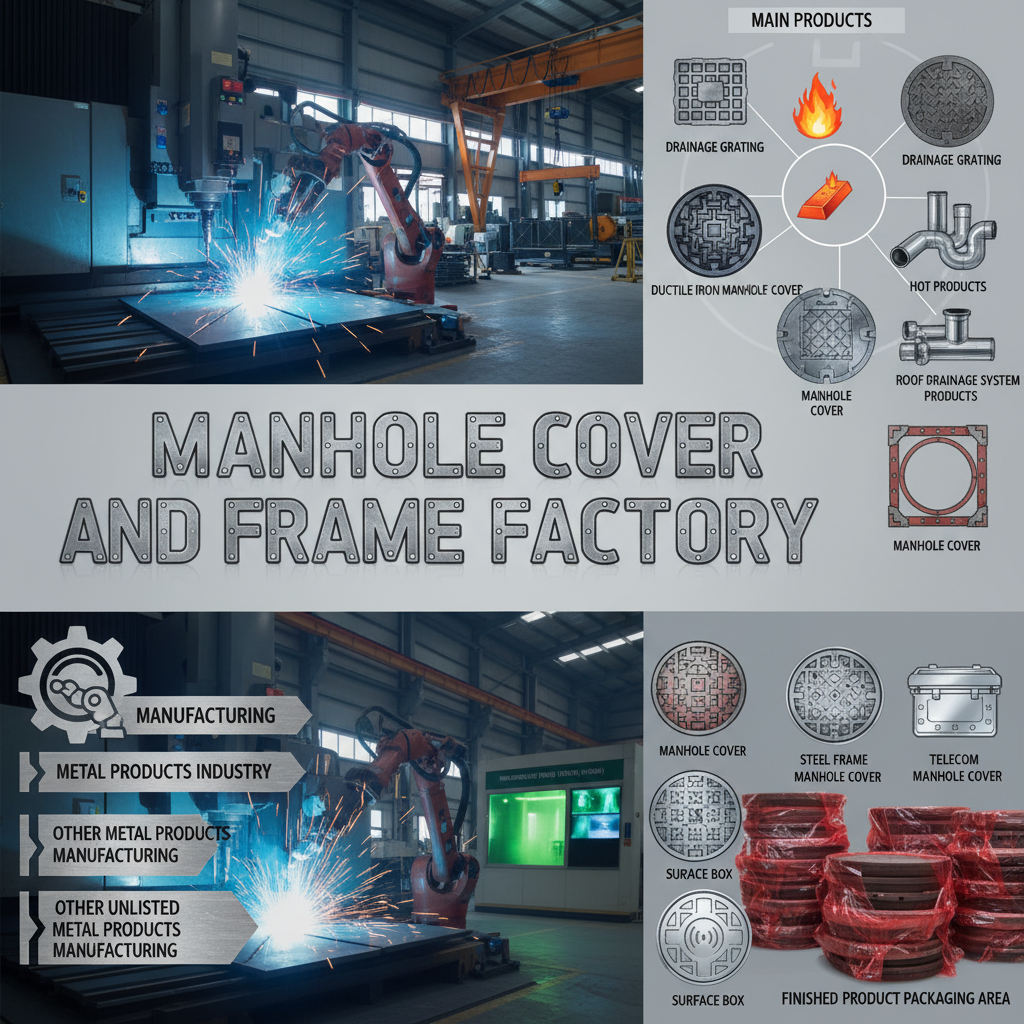
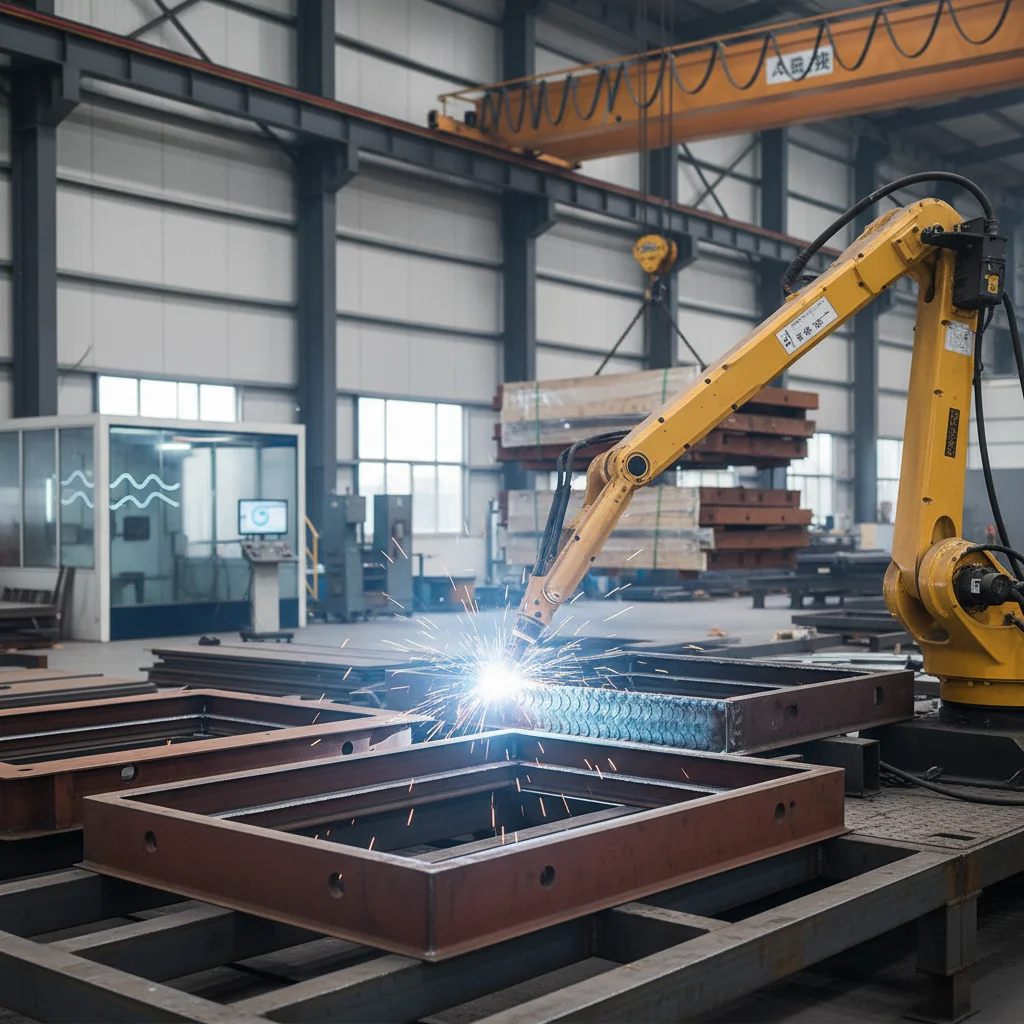
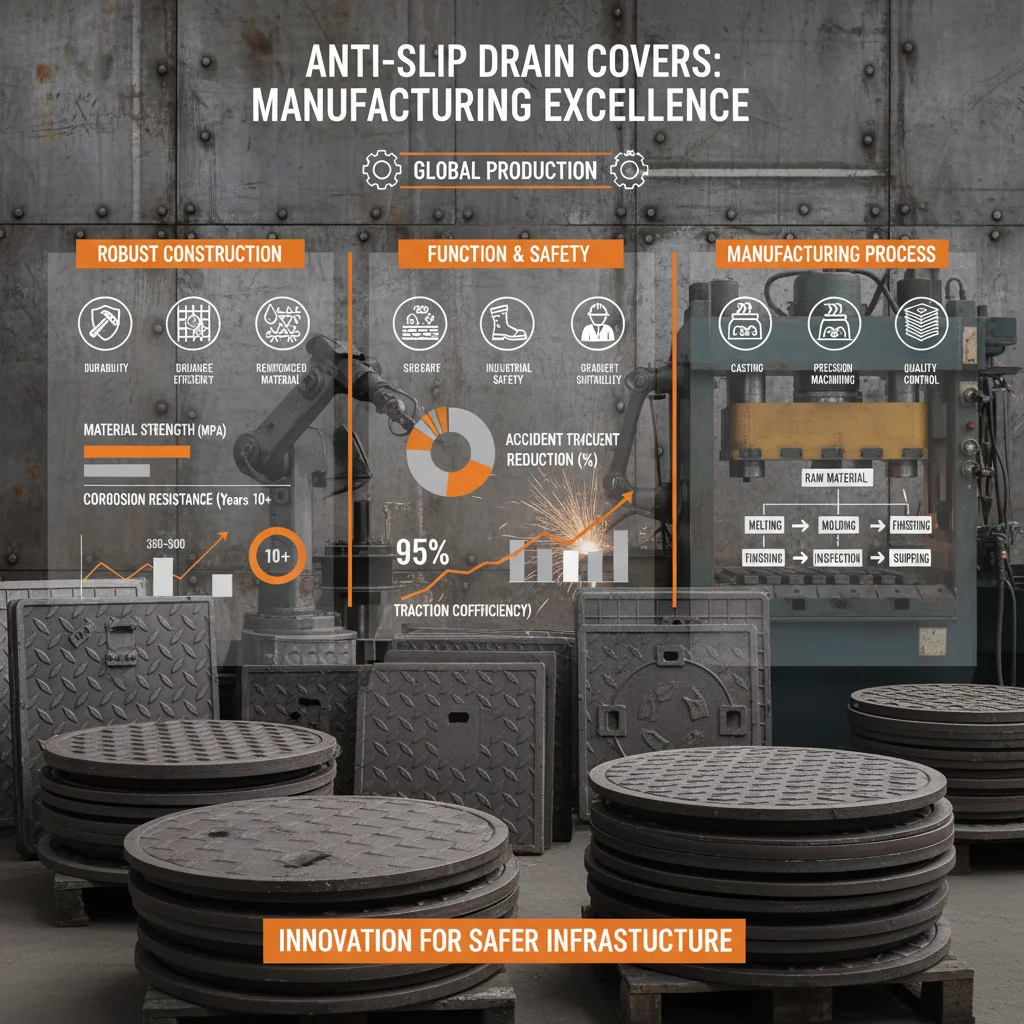
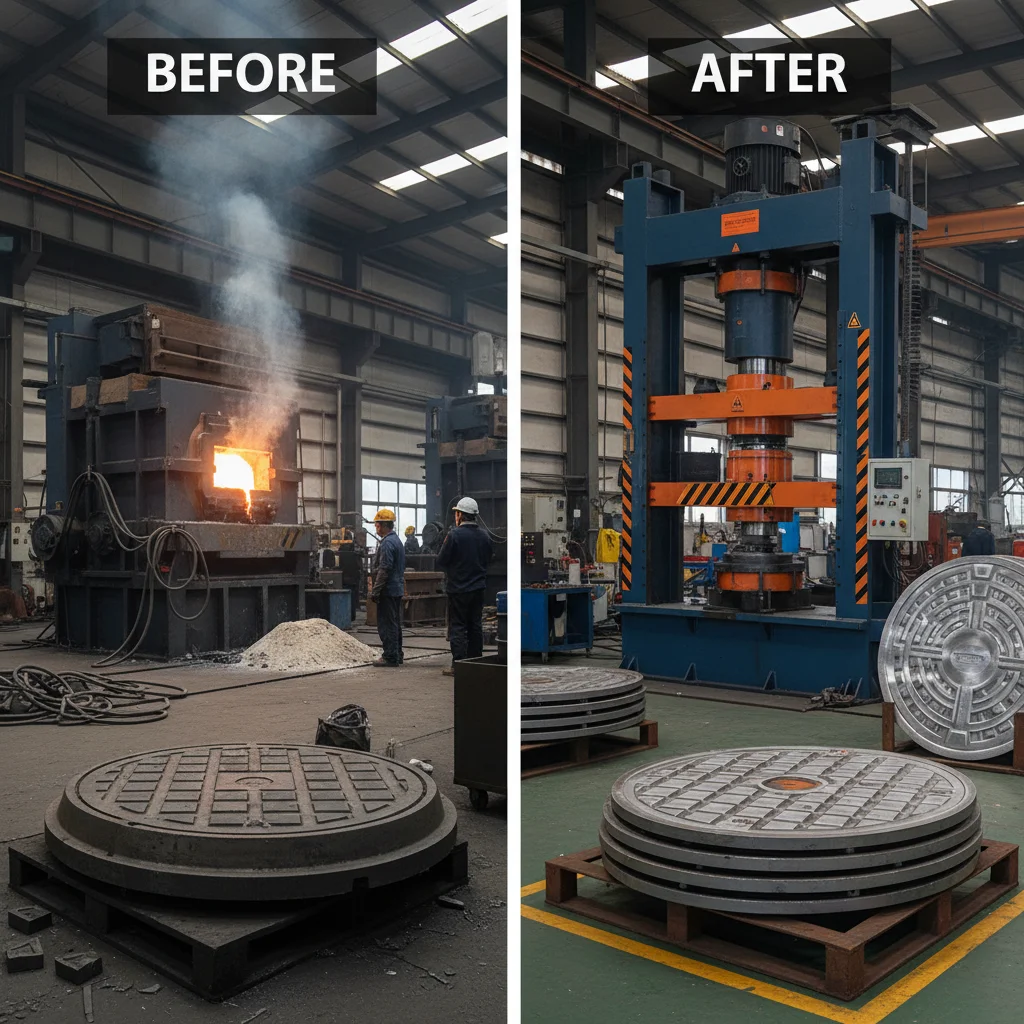
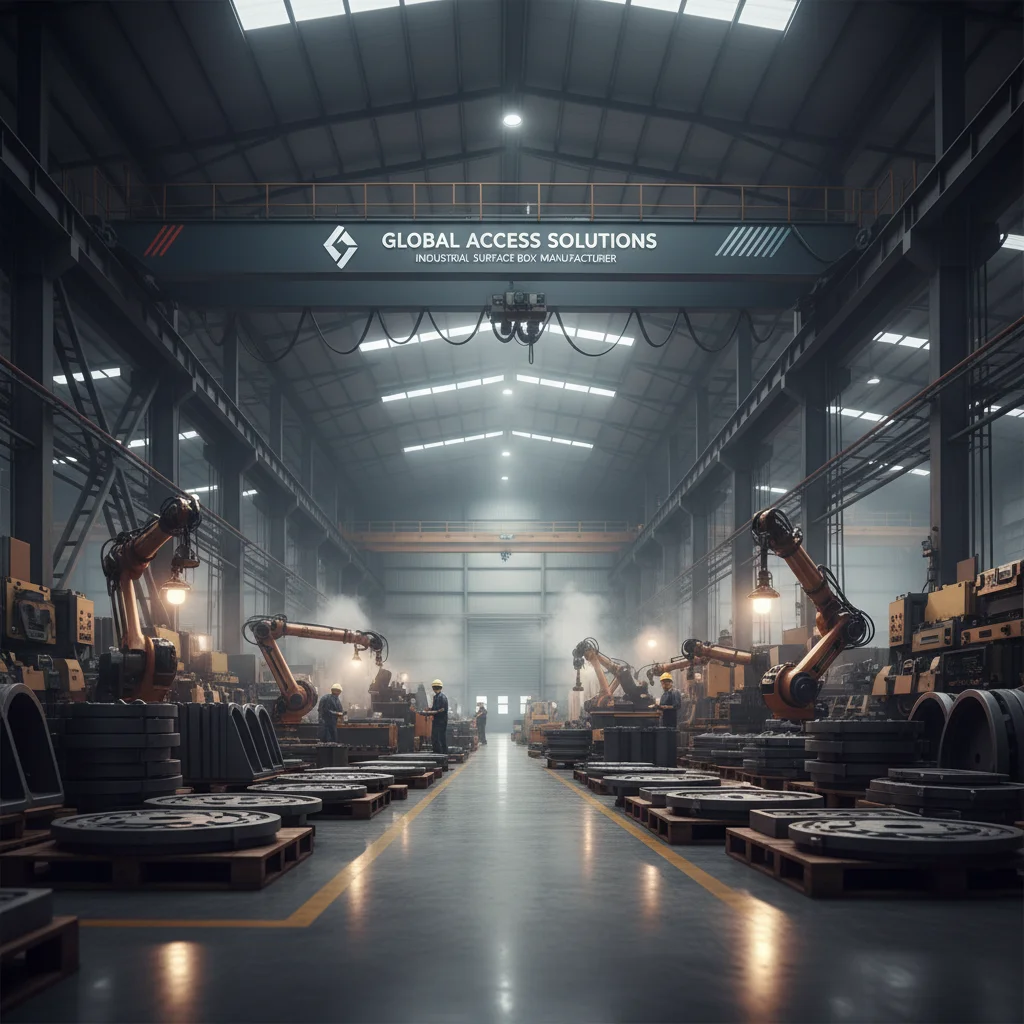
The modern urban landscape relies heavily on invisible infrastructure to maintain sanitation, safety, and connectivity. At the heart of this network is the manhole cover and frame factory, which produces the critical access points required for sewer maintenance, electrical routing, and water management. Without high-precision engineering in these components, cities would face catastrophic failures in utility access and public safety.
Selecting a professional manhole cover and frame factory is not merely a procurement decision but a strategic investment in urban resilience. From ensuring that ductile iron can withstand heavy axle loads to implementing anti-theft mechanisms, the technical expertise of the manufacturer determines the lifespan of the entire drainage system. Quality assurance in these products prevents structural collapses and reduces long-term municipal maintenance costs.
Globally, the demand for advanced access solutions is surging as "Smart Cities" integrate sensors into their infrastructure. A forward-thinking manhole cover and frame factory now bridges the gap between traditional metallurgy and digital integration, offering products that are not only durable but also compatible with IoT monitoring systems. This evolution ensures that urban centers remain functional and safe for growing populations.
The Strategic Role of a Manhole Cover and Frame Factory
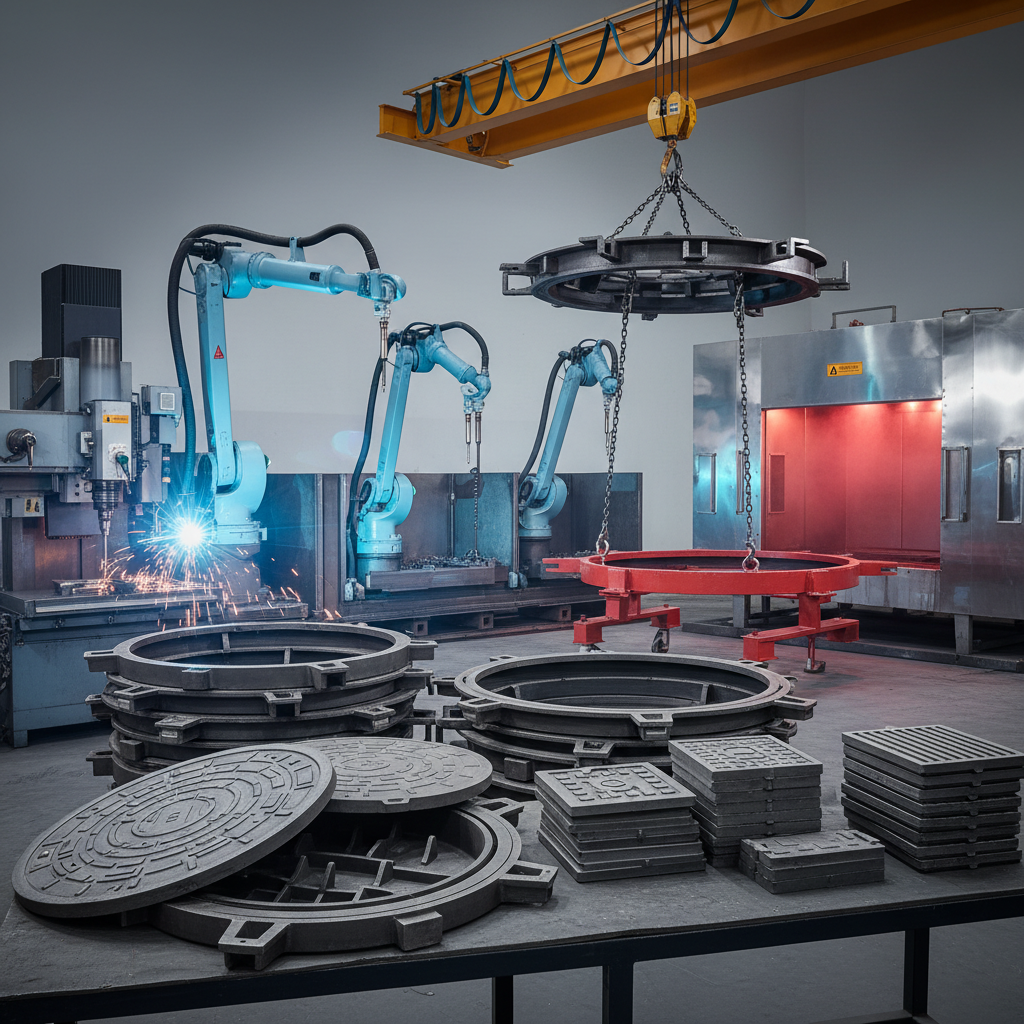
A dedicated manhole cover and frame factory serves as the primary line of defense for underground utilities. By utilizing advanced casting techniques, these facilities ensure that every unit produced can handle the immense pressure of vehicular traffic while protecting workers and the public from hazardous subterranean environments. The precision of the frame's fit is crucial; a gap of even a few millimeters can lead to "clattering" noises or structural instability over time.
Furthermore, the strategic value of a specialized factory lies in its ability to customize solutions for different environments. Whether it is providing corrosion-resistant coatings for coastal cities or high-load ductile iron for industrial ports, the factory transforms raw metal into a sophisticated safety tool. This specialized focus allows for rigorous testing according to international standards, ensuring that every product leaving the floor is road-ready.
Industry Standards and Material Engineering
The engineering behind a modern manhole cover and frame factory is rooted in the science of metallurgy. Most high-tier factories have shifted from traditional grey iron to ductile iron (Spheroidal Graphite Iron), which offers significantly higher tensile strength and impact resistance. This shift is essential for meeting ISO and EN 124 standards, which categorize load-bearing capacities from A15 (pedestrian) to F900 (airport runways).
Beyond the material itself, the casting process—often involving automated molding and precision pouring—minimizes internal voids and defects. A reputable factory employs non-destructive testing (NDT) to ensure the structural integrity of the frame. This rigorous approach prevents the sudden failure of covers under peak load conditions, which could otherwise lead to severe traffic accidents and costly liability claims.
Environmental sustainability has also become a cornerstone of material engineering. Leading manufacturers are now integrating recycled scrap metal into their production cycles without compromising the mechanical properties of the ductile iron. By optimizing the energy used in the smelting process, a modern manhole cover and frame factory reduces its carbon footprint while maintaining the high performance required for urban drainage and telecom infrastructure.
Core Components of High-Performance Access Systems
To achieve maximum reliability, a manhole cover and frame factory must focus on the synergy between the cover and the frame. The frame acts as the structural anchor, distributing the load from the surface to the surrounding pavement, while the cover provides the secure seal. Precision machining ensures a tight fit that prevents debris from entering the system and reduces noise pollution.
The integration of specialized features, such as locking mechanisms and non-slip surface patterns, is where a professional manhole cover and frame factory proves its value. Anti-theft bolts and secure locking systems are critical in areas where metal theft is common, while ergonomic lifting holes ensure that utility workers can access the manhole safely and efficiently.
Furthermore, the application of protective coatings, such as bitumen or epoxy, enhances the longevity of the product. By preventing oxidation and chemical corrosion, the factory ensures that the drainage grating and surface boxes remain functional for decades, even when exposed to road salts and industrial pollutants.
Global Applications and Load Capacity Analysis
The output of a manhole cover and frame factory is deployed across diverse global environments, each presenting unique challenges. In densely populated metropolitan areas, the focus is on high-frequency load bearing and noise reduction. Conversely, in industrial zones, the priority shifts to chemical resistance and extreme weight capacities to accommodate heavy machinery and transport vehicles.
From residential sidewalks using lightweight drainage gratings to airport tarmacs requiring F900-rated steel frame manhole covers, the versatility of the production line is key. These products are essential for the deployment of telecom manhole covers in the rollout of 5G infrastructure, ensuring that fiber optic cables are protected from environmental stressors.
Load Capacity Performance by Product Type
Economic Advantages and Long-Term Value
Investing in products from a high-quality manhole cover and frame factory results in a significant reduction in the "Total Cost of Ownership" (TCO). While lower-grade alternatives may seem cheaper initially, they often suffer from premature cracking or warping, leading to frequent replacements and dangerous road potholes. High-grade ductile iron products extend the replacement cycle from 10 years to over 30 years.
Moreover, the reliability of these systems enhances public safety and reduces municipal liability. A secure, well-fitted cover prevents accidents and theft, which in turn lowers insurance premiums for city councils. The logical choice for any infrastructure project is to prioritize the longevity and safety provided by a professional manufacturer, ensuring that the investment pays for itself through reduced maintenance.
Future Trends in Smart Utility Access
The manhole cover and frame factory of the future is evolving into a provider of "intelligent access points." With the integration of RFID tags and IoT sensors, city managers can now monitor gas levels, water flow, or unauthorized access in real-time. This digital transformation turns a passive piece of iron into an active data node, enabling predictive maintenance and faster emergency response times.
Material innovation is also moving toward composite materials that offer the strength of steel with the weight of plastic. These composites are naturally corrosion-proof and non-conductive, making them ideal for electrical and telecom manholes. However, the precision casting of ductile iron remains the gold standard for high-load areas, and factories are enhancing this by using additive manufacturing (3D printing) for complex molds.
Sustainability policies are also driving the industry toward "Green Casting." By utilizing electric arc furnaces and carbon-capture technologies, a modern manhole cover and frame factory is aligning itself with global Net-Zero goals. The goal is to produce infrastructure that is not only durable for the city but also gentle on the planet.
Overcoming Challenges in Manufacturing and Installation
One of the primary challenges faced by a manhole cover and frame factory is the variability of installation environments. Poorly compacted soil or incorrect frame leveling can cause even the highest quality cover to fail. To solve this, manufacturers are now providing comprehensive installation guides and offering adjustable frames that can be fine-tuned to the exact pavement level.
Another hurdle is the battle against metal theft. Innovative factories have introduced high-security locking systems and "invisible" covers that blend into the surrounding architecture, making them less attractive to thieves. By focusing on the human element of infrastructure, the factory adds a layer of social security to its technical specifications.
Finally, maintaining consistency across mass production requires strict quality control. The adoption of AI-driven visual inspection systems allows factories to detect microscopic cracks in the casting process that the human eye might miss. This commitment to zero-defect manufacturing ensures that every roof drainage system product or surface box meets the highest safety standards.
Comparative Analysis of Access Solution Specifications
| Product Category |
Primary Material |
Load Class |
Typical Lifespan |
| Ductile Iron Manhole Cover |
Spheroidal Graphite Iron |
D400 - F900 |
30+ Years |
| Drainage Grating |
Cast Iron / Steel |
B125 - C250 |
20+ Years |
| Steel Frame Manhole Cover |
Galvanized Steel |
C250 - D400 |
25+ Years |
| Telecom Manhole Cover |
Composite / Iron |
A15 - B125 |
20+ Years |
| Surface Box |
Ductile Iron |
B125 |
25+ Years |
| Roof Drainage System |
Aluminum / Iron |
Light Duty |
30+ Years |
FAQS
Grey iron is brittle and prone to cracking under sudden impact or high loads. In contrast, ductile iron—produced by adding magnesium to the molten iron—has a nodular graphite structure that allows it to bend slightly without breaking. This makes it the preferred material for a professional manhole cover and frame factory when producing covers for roads, highways, and airports where safety and durability are non-negotiable.
Load classes are determined by the expected traffic volume and weight. A15 is for pedestrians and cyclists; B125 is for residential driveways; C250 is for gutters and slow-traffic areas; D400 is for main roads; and F900 is for high-load areas like airports. A qualified manhole cover and frame factory will help you analyze your site requirements to ensure you don't under-spec (causing failure) or over-spec (wasting budget).
Composite covers are excellent for corrosion resistance and are much lighter, making them ideal for telecom and water applications in low-to-medium load areas. However, for heavy-duty vehicular traffic (Class D400 and above), ductile iron from a specialized manhole cover and frame factory remains superior due to its unmatched compressive strength and long-term structural stability under repeated heavy axle loads.
Modern factories implement several security measures: specialized locking bolts that require unique keys, integrated locking mechanisms that engage automatically, and the use of composite materials that have no scrap metal value. By designing these features directly into the frame and cover, a manhole cover and frame factory reduces the incentive for theft and increases the difficulty of removal.
You should look for ISO 9001 for quality management and, more importantly, compliance with EN 124 or ASTM standards for manhole covers. A reputable manhole cover and frame factory will provide test reports for load-bearing capacity and material composition, proving that their products can withstand the specified stresses of your environment.
Yes, a professional manhole cover and frame factory can customize the surface casting. This includes adding logos, text (e.g., "Water," "Sewer," "Electric"), or specific non-slip patterns. Customization is typically handled during the mold-making phase, allowing for a seamless integration of identifying marks that do not compromise the structural integrity of the cover.
Conclusion
In summary, the role of a high-quality manhole cover and frame factory extends far beyond the simple casting of metal. It encompasses advanced material science, strict adherence to global safety standards, and a commitment to urban longevity. By focusing on the precision of the frame and the durability of the cover, these manufacturers ensure that our critical underground infrastructure remains accessible, secure, and capable of supporting the weight of modern civilization.
As we move toward smarter, more sustainable cities, the integration of IoT and green metallurgy will redefine the industry. For developers and municipal planners, the key to long-term success lies in partnering with a factory that prioritizes engineering excellence over short-term cost savings. We invite you to explore our range of professional access solutions. Visit our website: www.manholecovercn.com