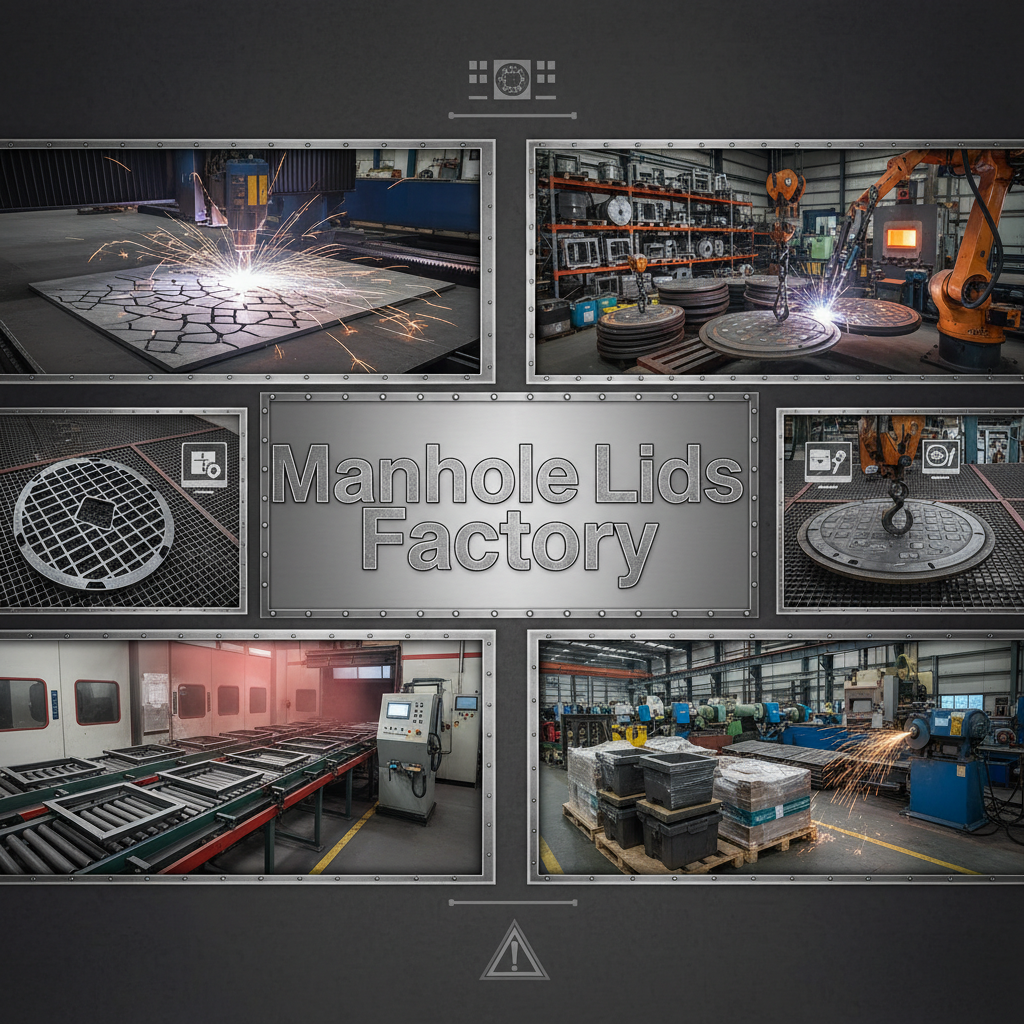
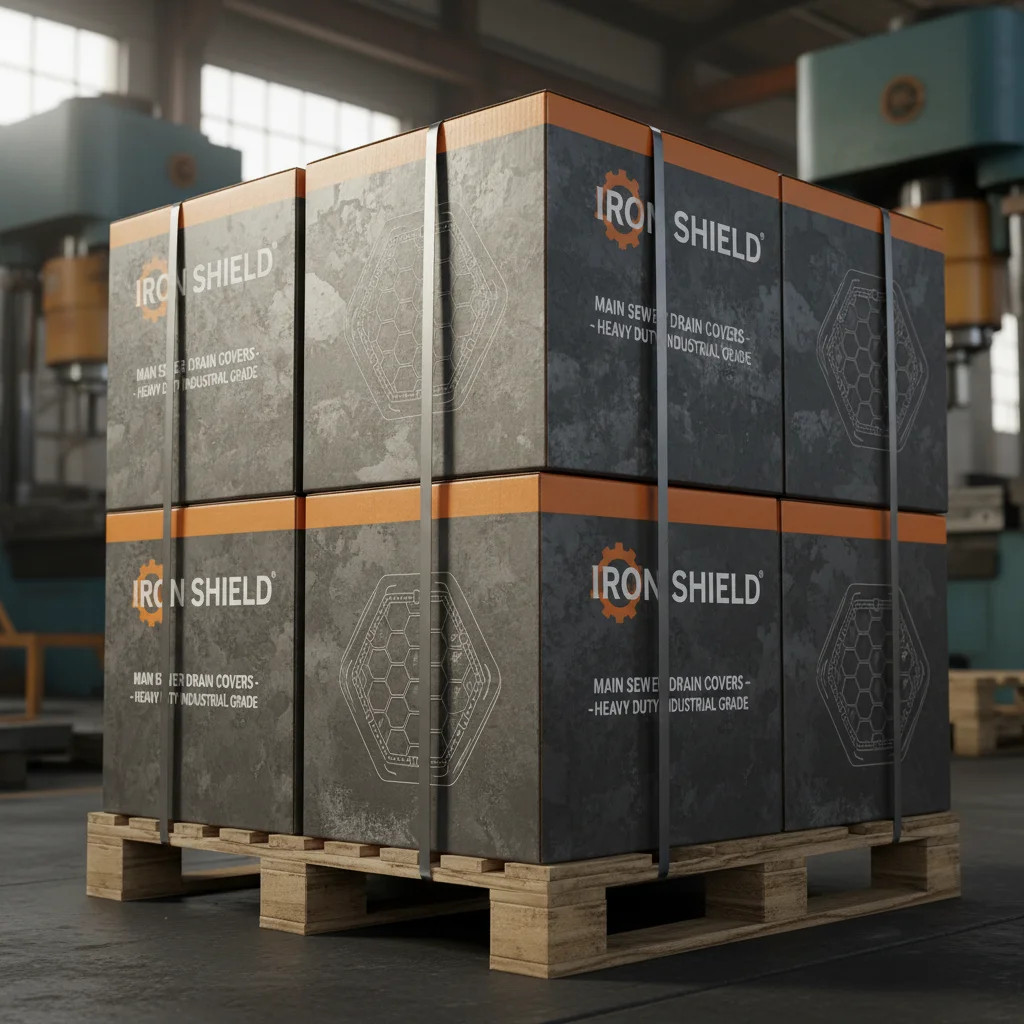
The infrastructure of any modern city relies heavily on the invisible networks beneath our feet, where the role of a professional man hole lids factory becomes paramount. These essential components are not merely lids but engineered safety barriers that protect utility workers and the public from hazardous drops while ensuring seamless access to critical sewer, electrical, and telecom systems. Understanding the manufacturing process and material science behind these covers is key to building sustainable and safe urban environments.
On a global scale, the demand for high-quality drainage and access solutions is surging as urbanization accelerates in developing regions. A specialized man hole lids factory must navigate stringent international standards, such as ISO and EN 124, to provide products that can withstand varying load classes—from pedestrian walkways to heavy-duty industrial highways. The integration of ductile iron and composite materials has revolutionized how we approach load-bearing capacities and corrosion resistance.
By focusing on the intersection of durability and accessibility, the modern industry addresses the critical challenge of urban maintenance. Choosing a reliable man hole lids factory ensures that municipal authorities can reduce long-term operational costs and mitigate the risk of structural failure. This guide explores the intricate details of manhole lid production, from material selection to the latest innovations in smart city integration.
Global Standards in Man Hole Lids Factory Production
A reputable man hole lids factory does not operate in a vacuum; it adheres to a rigorous set of global benchmarks that dictate safety and performance. The EN 124 standard, for instance, is the gold standard for gully tops and manhole tops, categorizing products into classes from A15 (pedestrian) to F900 (airport runways). This ensures that regardless of where a product is installed, it can safely support the intended weight without catastrophic failure.
Beyond load-bearing, quality control in a professional factory involves chemical analysis of the iron melt and precise molding techniques. By implementing ISO 9001 quality management systems, a man hole lids factory can guarantee consistency across thousands of units, reducing the likelihood of "rattling" lids or improper seating, which are common causes of road accidents and noise pollution in dense urban areas.
The Material Science of Modern Access Covers
The evolution of materials in a man hole lids factory has shifted from traditional grey cast iron to ductile iron and advanced composites. Grey iron, while strong under compression, was prone to brittleness. In contrast, ductile iron contains nodular graphite, which allows the material to bend slightly under extreme pressure rather than snapping, making it the preferred choice for high-traffic municipal roads.
Composite materials are also gaining ground, offering a lightweight alternative that is entirely corrosion-resistant. This is particularly vital for a man hole lids factory catering to coastal cities where salt-water spray accelerates the oxidation of metals. Composites not only reduce the physical strain on workers during installation but also eliminate the theft of metal lids, a growing problem in some metropolitan regions.
Furthermore, the application of specialized coatings, such as epoxy or bitumen, adds an extra layer of protection. A forward-thinking man hole lids factory integrates these finishes to ensure that the products remain functional for decades, regardless of exposure to harsh chemicals in sewer systems or extreme temperature fluctuations in alpine climates.
Core Engineering Components for Durability
To ensure the longevity of a product, a man hole lids factory focuses on the precision of the seating ring. A perfectly machined edge prevents the lid from shifting under traffic, which is the primary cause of surface wear and eventual structural collapse. This precision is what separates industrial-grade covers from generic alternatives.
Another critical element handled by a professional man hole lids factory is the integration of locking mechanisms. Anti-theft and safety locks ensure that the covers cannot be displaced by unauthorized personnel or shifted by hydraulic pressure during flash floods, thereby safeguarding the integrity of the underground utility network.
Finally, the surface tread pattern is engineered for maximum friction. A man hole lids factory designs these non-slip textures to provide safety for pedestrians and vehicles, especially in rainy or icy conditions, reducing the liability of the city and increasing the overall safety of the public realm.
Manufacturing Efficiency and Load Capacity
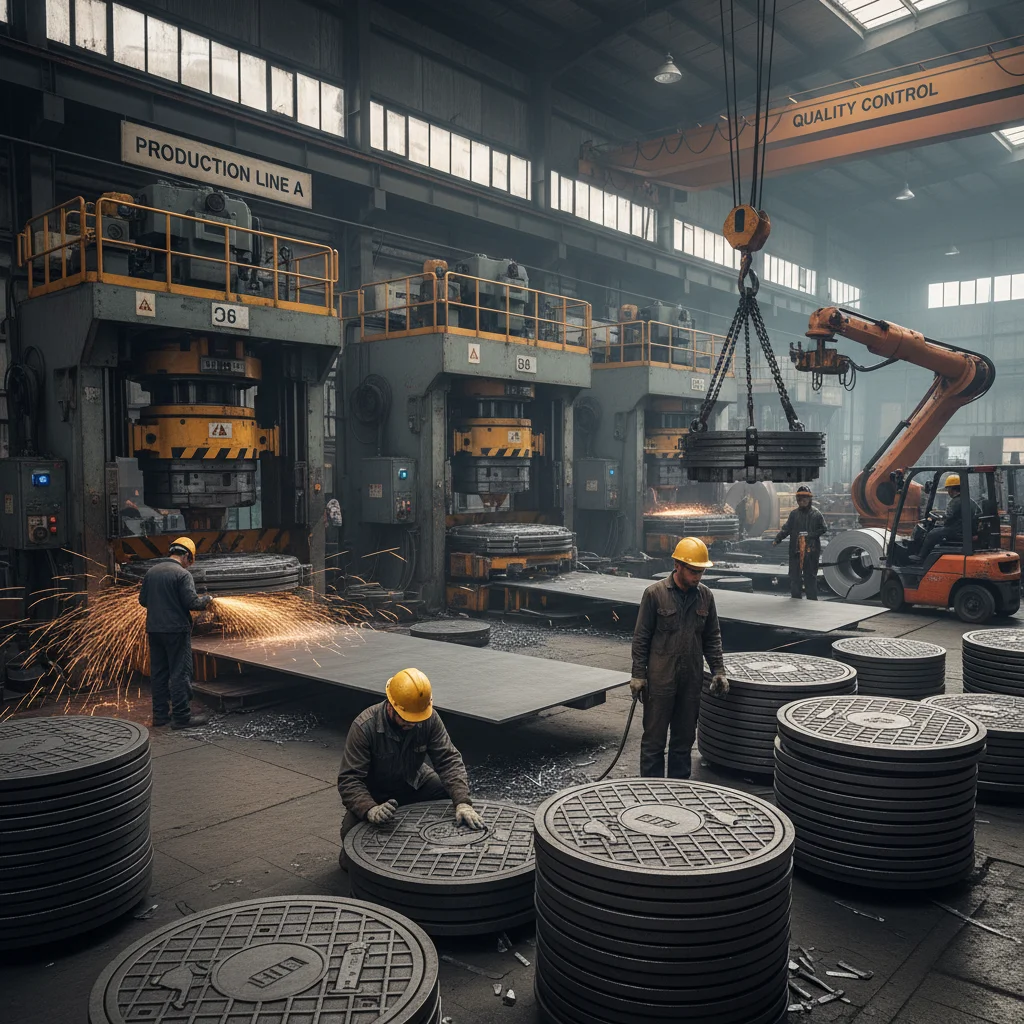
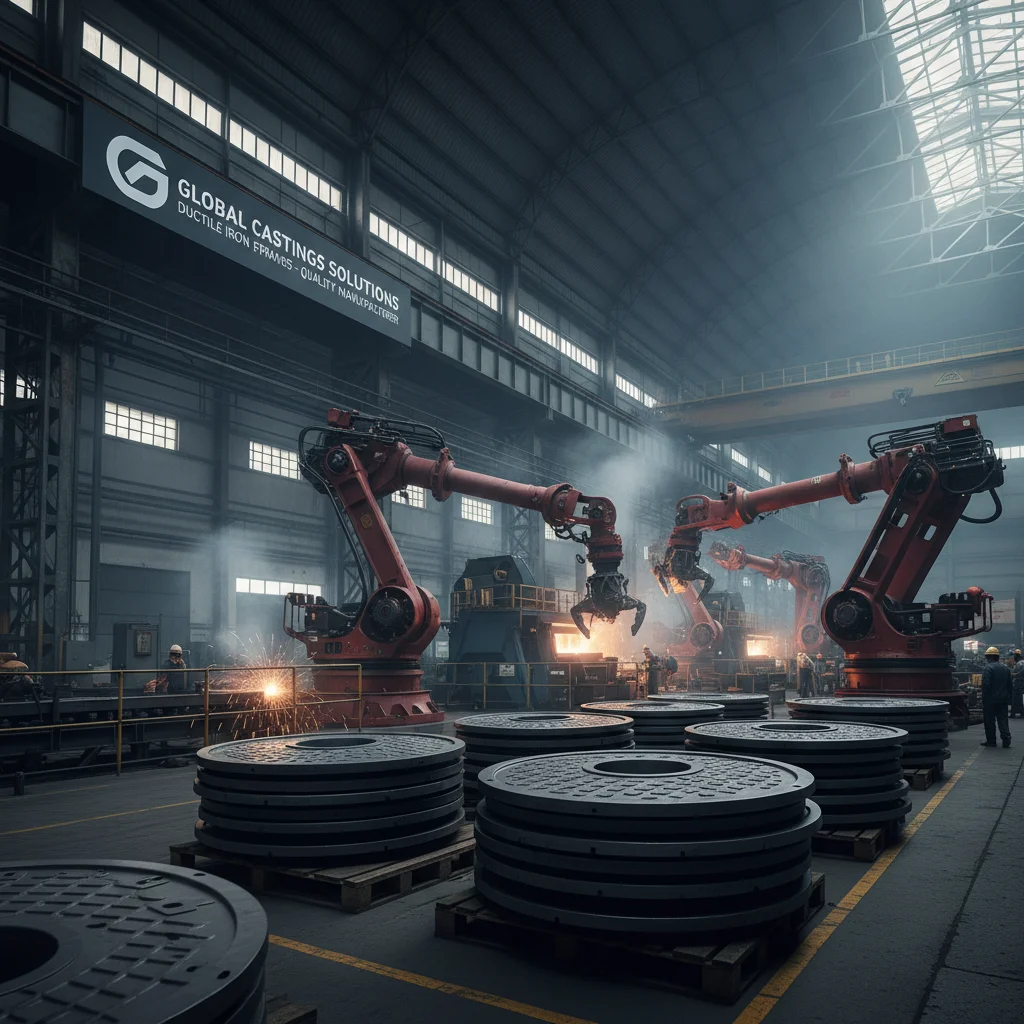
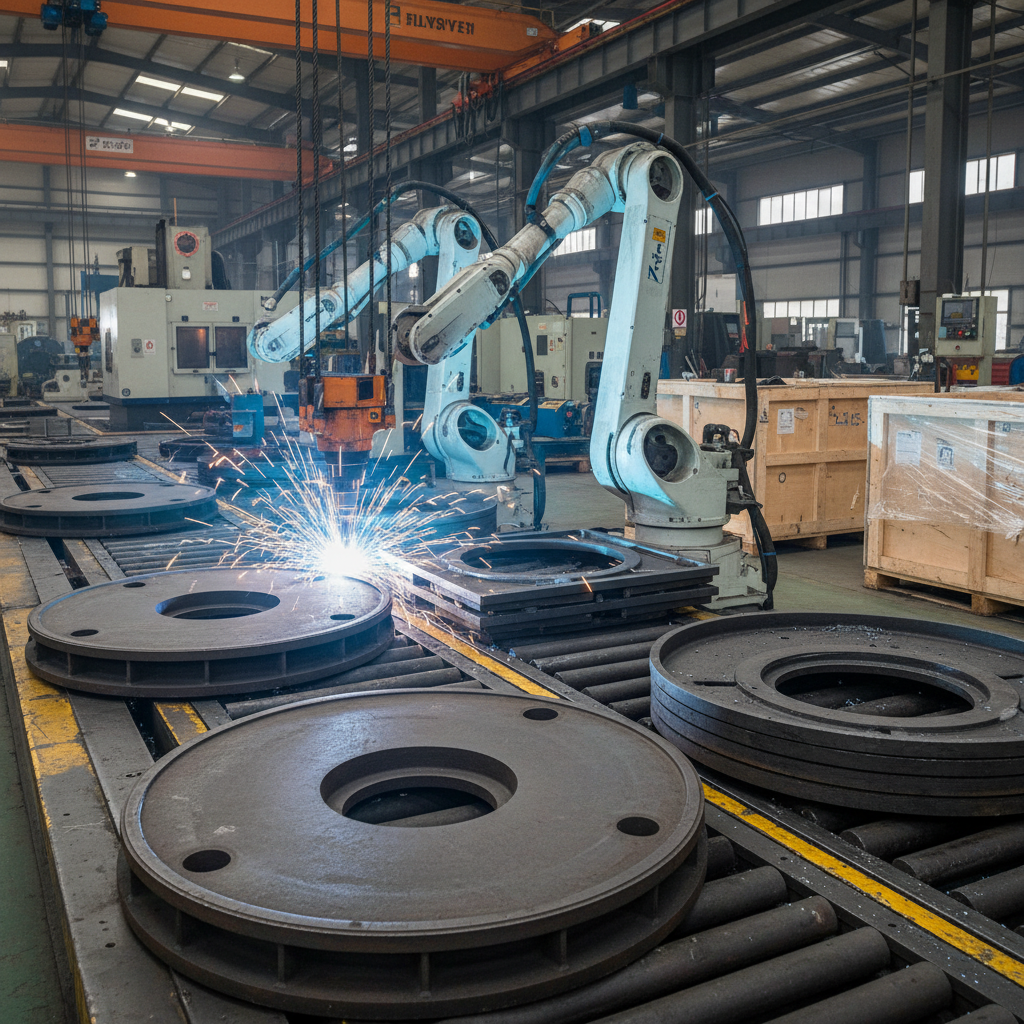
The productivity of a man hole lids factory is measured by its ability to balance high-volume output with rigorous stress testing. Modern foundries use automated pouring systems and CNC machining to ensure every Ductile Iron Manhole Cover meets the exact specifications of the project, minimizing waste and maximizing resource efficiency.
Through systematic load testing, the factory can verify that each product category—from surface boxes to telecom manhole covers—can withstand the specific pressures of its environment. This data-driven approach allows the man hole lids factory to provide guaranteed load ratings that engineers can rely on during the urban planning phase.
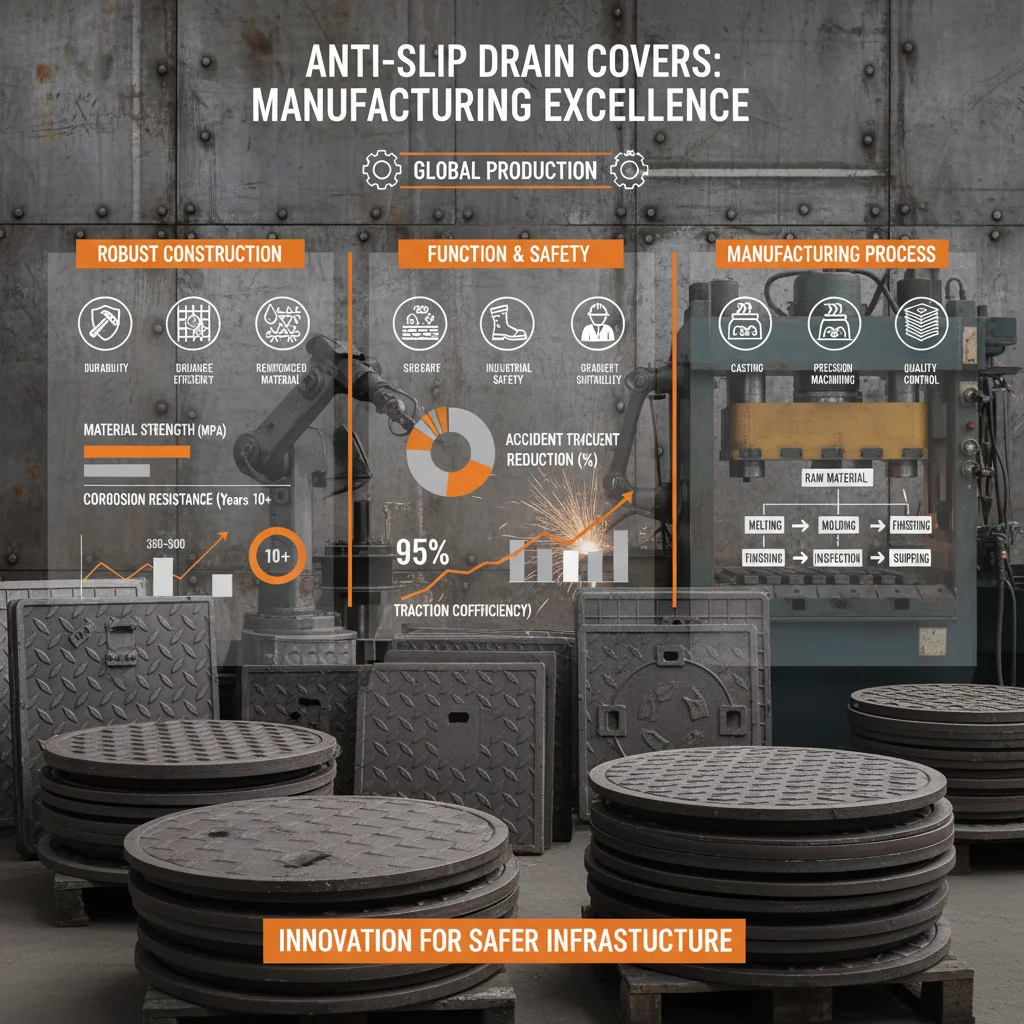
Comparative Load Performance by Man Hole Lids Factory Method
Real-World Applications Across Urban Sectors
The versatility of a man hole lids factory is evident in the diverse range of its product applications. In residential zones, the focus is on aesthetic integration and pedestrian safety, utilizing lightweight manhole covers that blend into the pavement. Meanwhile, in industrial zones, heavy-duty Steel Frame Manhole Covers are deployed to support the constant movement of forklifts and heavy machinery.
Beyond roads, specialized products like Telecom Manhole Covers are essential for the deployment of fiber optic networks. These covers often require specific sealing to prevent water ingress, demonstrating how a man hole lids factory must adapt its engineering to protect sensitive electronic infrastructure from the elements, ensuring uninterrupted connectivity for the city.
Long-term Value and Sustainability Benefits
Investing in products from a high-tier man hole lids factory translates to significant long-term financial savings. By utilizing materials with superior corrosion resistance and load capacity, municipalities can extend the replacement cycle of their infrastructure from 15 years to over 50 years, drastically reducing the total cost of ownership.
Sustainability is also a core driver in the modern man hole lids factory. Many factories now implement closed-loop recycling systems, melting down old cast iron covers to create new ones. This circular economy approach reduces the reliance on virgin ore and lowers the carbon footprint of the manufacturing process.
Moreover, the social impact of reliable covers cannot be overstated. When a man hole lids factory delivers a product that doesn't fail, it protects the lives of millions of unsuspecting commuters. This reliability builds trust between the government and the citizenry, fostering a sense of safety and civic stability.
Future Innovations in Smart Access Solutions
The next frontier for the man hole lids factory is the integration of IoT (Internet of Things) sensors. Smart manhole covers can now detect gas leaks, monitor water levels during storms, and alert authorities immediately via a wireless signal if a lid is displaced. This transforms a passive piece of iron into an active data point for urban management.
Digital transformation is also hitting the factory floor. By using 3D printing for prototyping and AI-driven quality inspection, a man hole lids factory can reduce lead times and eliminate human error in the casting process. This ensures that custom designs for complex architectural projects are delivered with micron-level precision.
Looking ahead, we expect to see "energy-harvesting" covers that can capture the kinetic energy from vehicles passing over them to power nearby streetlights or sensors. As the man hole lids factory evolves, it will play a central role in the transition toward greener, smarter, and more resilient cities.
Analysis of Material and Performance Metrics in Man Hole Lids Production
| Material Type |
Load Class (EN 124) |
Corrosion Resistance |
Life Expectancy |
| Ductile Iron |
D400 - F900 |
High (Coated) |
40+ Years |
| Grey Cast Iron |
A15 - C250 |
Medium |
20 Years |
| Composite/FRP |
A15 - D400 |
Excellent |
30+ Years |
| Stainless Steel |
B125 - D400 |
Maximum |
50+ Years |
| Polymer Concrete |
A15 - B125 |
High |
25 Years |
| Steel Reinforced |
D400 - F900 |
Medium (Galvanized) |
30 Years |
FAQS
Selecting the correct load class depends on the intended location. A professional man hole lids factory recommends Class A15 for pedestrian areas, B125 for driveways, D400 for main roads, and F900 for heavy-duty areas like airports. Always check the expected peak traffic weight and consult with the factory's engineering team to ensure safety and avoid premature failure.
It depends on the application. Ductile iron offers superior strength for extremely high loads and is more impact-resistant. However, composite materials are better for corrosive environments (like chemical plants or coastlines) and are lighter to handle. A leading man hole lids factory will help you weigh these trade-offs based on your specific site conditions.
To combat theft, a man hole lids factory provides covers with integrated locking mechanisms or suggests using composite materials, which have no scrap metal value. Security bolts and specialized hinges can also be added to ensure the covers stay in place, protecting both the infrastructure and public safety.
When sourced from a certified man hole lids factory using ductile iron or stainless steel, the lifespan can exceed 40 to 50 years with minimal maintenance. Factors that influence this include the quality of the protective coating, the accuracy of the fit, and the actual load levels the cover experiences daily.
Yes, they are becoming essential for "Smart City" initiatives. By integrating sensors, a man hole lids factory allows cities to move from reactive to predictive maintenance. Detecting a flood or a gas leak in real-time prevents disasters and reduces the need for manual inspections, ultimately saving tax money and saving lives.
Most professional man hole lids factory facilities offer OEM services. This includes customizing the diameter, depth, and adding municipal logos or warning text to the lid. This is achieved through custom molding patterns, ensuring the final product meets both the functional and branding requirements of the client.
Conclusion
The role of a man hole lids factory extends far beyond simple casting; it is a cornerstone of urban safety and infrastructure longevity. From the rigorous application of EN 124 standards to the innovative use of ductile iron and smart IoT sensors, the industry ensures that our critical underground utilities remain accessible yet secure. By prioritizing material science and precision engineering, factories provide the invisible strength that supports the weight of modern civilization.
As we move toward a future of smarter, more sustainable cities, the partnership between municipal planners and a quality man hole lids factory will be more vital than ever. We encourage engineers and procurement officers to look beyond the initial price tag and consider the long-term lifecycle value, safety ratings, and environmental impact of their choices. For premium, certified drainage and access solutions, visit our website: www.manholecovercn.com.