



The infrastructure landscape in Zimbabwe is currently characterized by a critical need for modernization in sewage and drainage systems. As urban centers expand, the pressure on existing utility networks has increased, leading to a higher failure rate of outdated covers. This has created a consistent market demand for products that combine high load-bearing capacity with long-term resistance to environmental corrosion.
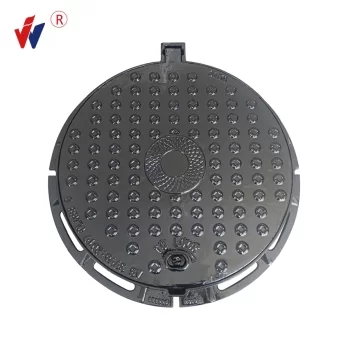
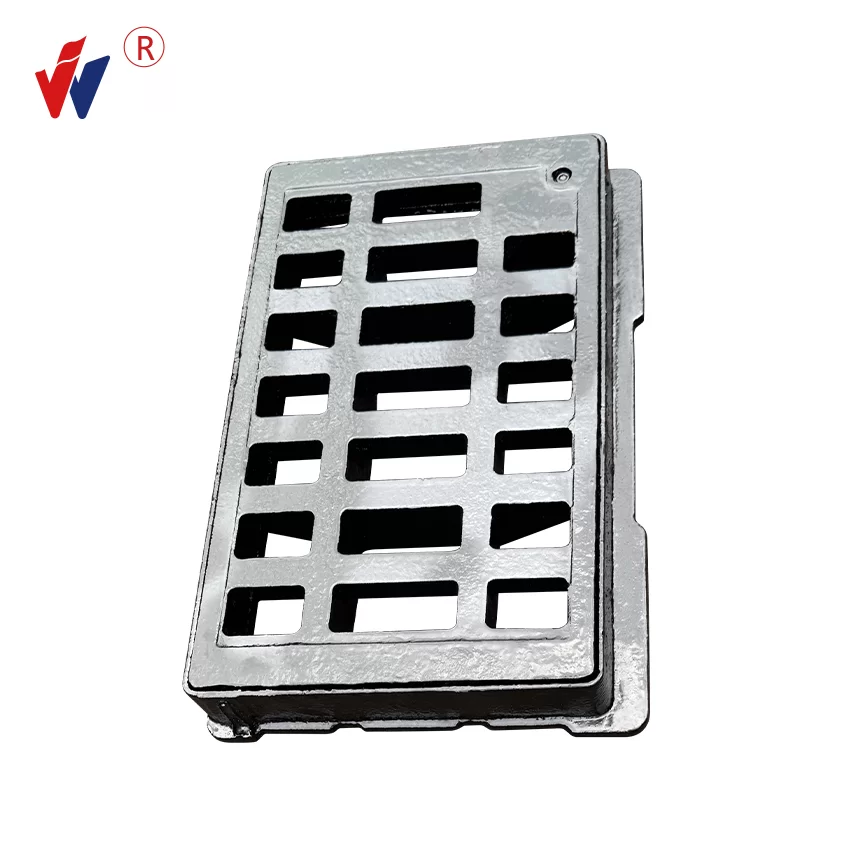
Many regional projects face challenges such as unstable soil conditions and varying traffic loads, which often result in the premature cracking of standard lids. Consequently, there is a strategic shift toward sourcing specialized sewer cover lid options that meet international safety standards while being adaptable to local installation practices.
Local contractors and municipal engineers now prioritize materials that reduce maintenance frequency. The focus has moved from low-cost initial procurement to total lifecycle value, where the ability to perform a seamless man hole cover replacement without disrupting traffic flow is highly valued.


