
background

Advanced heavy duty manhole lids Solutions for Japan's Urban Infrastructure

Precision-engineered metal fabrication providing unmatched durability and safety for Japan's demanding municipal and industrial drainage systems.

Advanced heavy duty manhole lids Solutions for Japan's Urban Infrastructure

Integrating Japanese industrial standards with high-strength metallurgy to ensure long-term structural integrity of urban utilities.

Current State of Metal Access Covers in Japan

Analyzing the challenges of high-density urban environments and seismic activity.

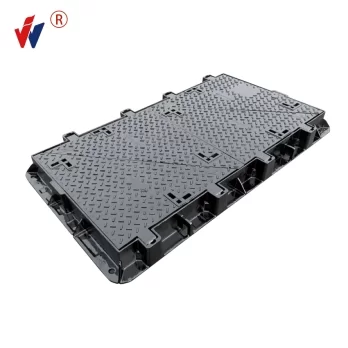
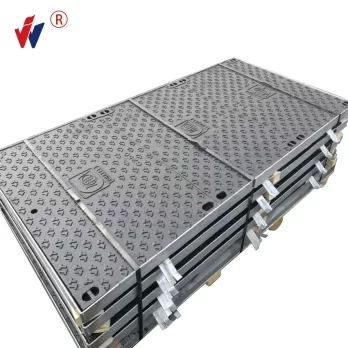
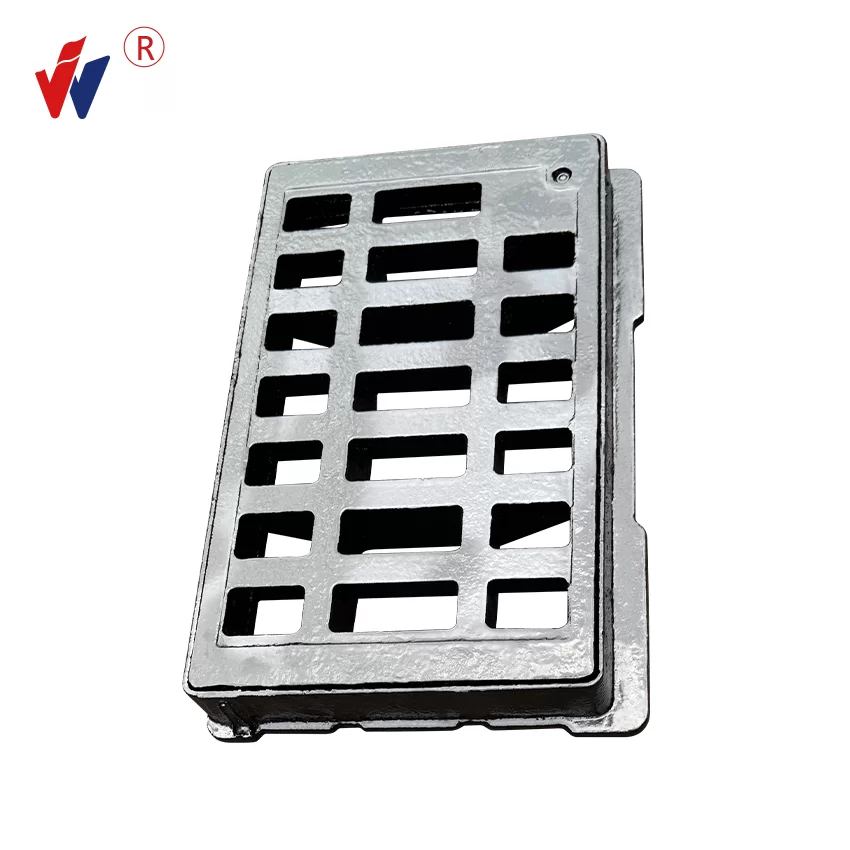
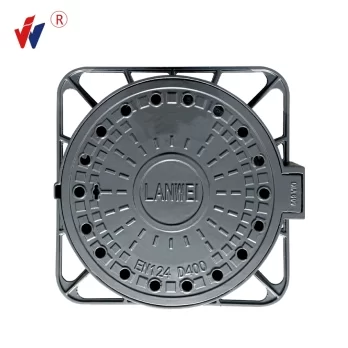
Japan's urban infrastructure faces unique challenges due to extreme population density and frequent seismic activity. The demand for a high-performance sewer cover lid is driven by the need for materials that can withstand both heavy traffic loads and the corrosive effects of high-humidity coastal climates.

In metropolitan areas like Tokyo and Osaka, the integration of "Smart City" sensors into traditional metal covers is becoming a priority. This shift requires a transition from basic cast iron to composite-enhanced metals that offer better electromagnetic transparency without compromising the load-bearing capacity of heavy duty manhole lids.

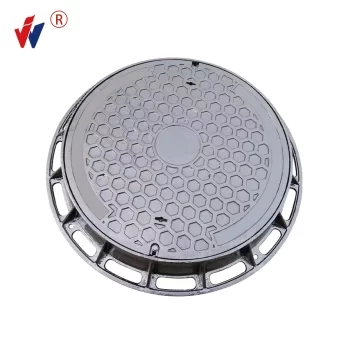
Furthermore, the aging infrastructure in regional prefectures has led to a surge in man hole cover replacement projects. The focus is now shifting toward precision-fit designs that eliminate noise pollution caused by rattling covers—a critical requirement for Japan's strict residential noise ordinances.
Evolution and Technical Trajectory of Access Covers

From traditional casting to precision-engineered sealing systems.

Market Development History

During the early industrialization phase (1950s-1980s), the Japanese market relied heavily on standard grey cast iron. These were durable but lacked the sealing capabilities needed to prevent odor leakage in dense residential zones.

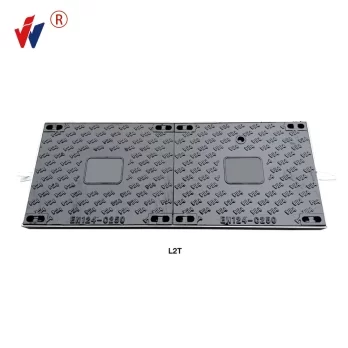
By the 1990s, the introduction of ductile iron revolutionized the industry, allowing for thinner yet stronger designs. This period saw the first widespread adoption of double seal man hole cover technology to meet stricter environmental and hygiene laws regarding sewer gas emission.

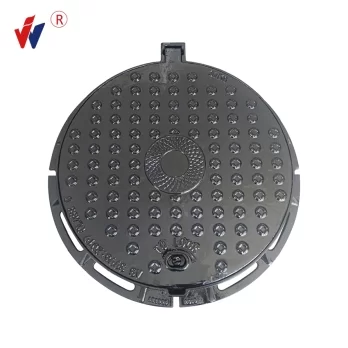
From 2010 to the present, the focus has shifted toward "Zero-Maintenance" goals. The industry has moved toward high-grade stainless steel alloys and advanced polymer gaskets, optimizing the process of installing manhole cover systems for faster deployment and longer lifecycles.

Future Development Trends

IoT-Integrated Monitoring

Integration of RFID and pressure sensors within the lid structure to monitor utility flow and alert authorities of unauthorized access in real-time.

Advanced Anti-Slip Textures

Development of laser-etched micro-textures to enhance pedestrian safety during Japan's rainy and snowy seasons, reducing urban liability.

Carbon-Neutral Fabrication

Transitioning toward recycled scrap metal processing and low-emission smelting techniques to align with Japan's 2050 carbon neutrality goal.

Strategic Industry Outlook and Future Forecast

Predicting the next 3-5 years of metal fabrication for Japan's utility sector.

Seismic-Resistant Locking
Developing dynamic locking mechanisms that prevent lid displacement during high-magnitude earthquakes.
Odor-Free Urbanism
Expanding double-seal technology to eliminate H2S emissions in high-density residential districts.
Lightweight Alloys
Utilizing aerospace-grade aluminum alloys to reduce installation weight while maintaining load ratings.
Rapid Replacement
Modular design systems that reduce the time required for man hole cover replacement in traffic-heavy lanes.

Industry Outlook

Google search trends indicate a rising interest in "sustainable urban drainage" and "smart utility access" within the Asia-Pacific region. Japan is leading this trend by integrating digital twins with physical infrastructure, allowing for predictive maintenance of sewer systems.

We anticipate a shift where the sewer cover lid is no longer seen as a passive piece of iron, but as a data-collection portal. Consequently, manufacturing will move toward high-precision CNC machining and hybrid material integration to support these technological additions.

Localized Application Scenarios in Japan

Tailored solutions for diverse Japanese environments.

01. Tokyo High-Traffic Commercial Zones

Deployment of ultra-heavy duty lids designed for constant bus and truck traffic, featuring noise-dampening gaskets to maintain urban tranquility.

02. Osaka Coastal Industrial Parks

Application of corrosion-resistant stainless steel covers to withstand saltwater air and chemical runoff from adjacent factories.

03. Kyoto Historic Preservation Districts

Custom-textured covers that blend with traditional cobblestone aesthetics while providing modern load-bearing security.

04. Hokkaido Cold-Climate Municipalities

Installation of thermal-expansion compatible covers that prevent cracking and seizing during extreme freeze-thaw cycles.

05. Nagoya High-Speed Rail Transit Hubs

Use of precision-fit, double-sealed covers to prevent subterranean vibration from affecting surface stability and safety.

Brand Story

Global Development Journey of Shijiazhuang Juwei Technology Co., Ltd.

Founding Vision

Established with a commitment to solving the fundamental failures of traditional cast iron, focusing on structural integrity and leak prevention.

Technical Breakthrough

Developed a proprietary sealing alloy that drastically reduced oxidation rates, setting a new benchmark for industrial access covers.

Global Expansion

Extended manufacturing capabilities to meet JIS (Japanese Industrial Standards), enabling entry into the high-precision Japan market.

Innovation Hub

Invested in R&D for "Smart Lid" technology, integrating sensor housings into heavy-duty metal frames.

Future Commitment

Leading the transition toward sustainable metallurgy and zero-defect fabrication for global urban infrastructure.

Complete Product Portfolio for the Japanese Market

Comprehensive range of certified metal access solutions.

Common Questions for Japan Infrastructure Projects

Expert answers regarding installation, standards, and replacement.

What are the best practices for installing manhole cover systems in seismic zones?

For seismic zones like Japan, it is critical to use flexible bedding materials and locking mechanisms that prevent the lid from popping out during tremors while allowing for slight lateral movement.

How often is man hole cover replacement recommended for heavy-traffic urban roads?

In high-density areas, a structural audit every 5-10 years is recommended. Replacement is triggered by signs of surface wear, rattling, or gasket failure in double-seal systems.

Can a double seal man hole cover effectively eliminate urban sewer odors?

Yes, the double-seal design creates an airtight barrier that prevents H2S and other gases from escaping, which is essential for Japan's residential and commercial districts.

What load ratings are available for heavy duty manhole lids in industrial areas?

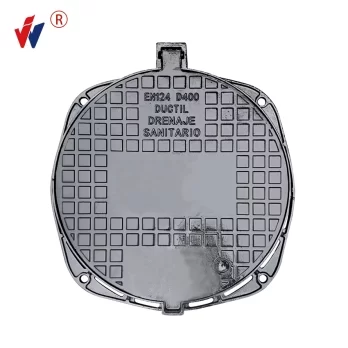
We provide a range of ratings from D400 to F900, ensuring that covers used in airports or heavy-industrial ports can support extreme axle loads without deformation.

Are your sewer cover lid materials compliant with JIS standards?

Our manufacturing process strictly adheres to Japanese Industrial Standards (JIS), ensuring that material composition and load tolerances meet local regulatory requirements.

How do you prevent theft or unauthorized access to utility manholes?

We offer specialized security bolts and integrated locking systems that require proprietary tools for opening, significantly reducing the risk of unauthorized entry.

Consult Our Engineering Experts

Providing high-precision metal fabrication and infrastructure solutions across Japan.

Contact Us Now

If you are interested in our products, you can choose to leave your information here, and we will be in touch with you shortly.