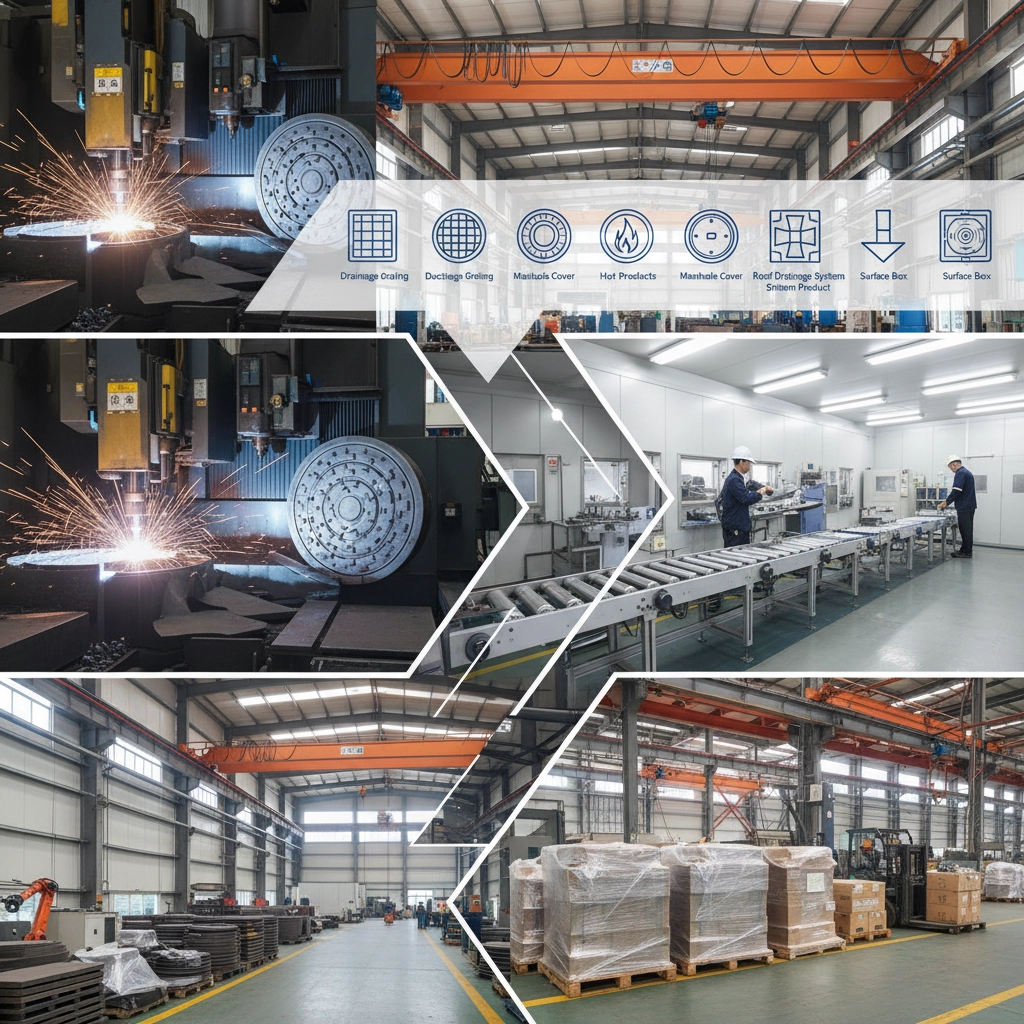
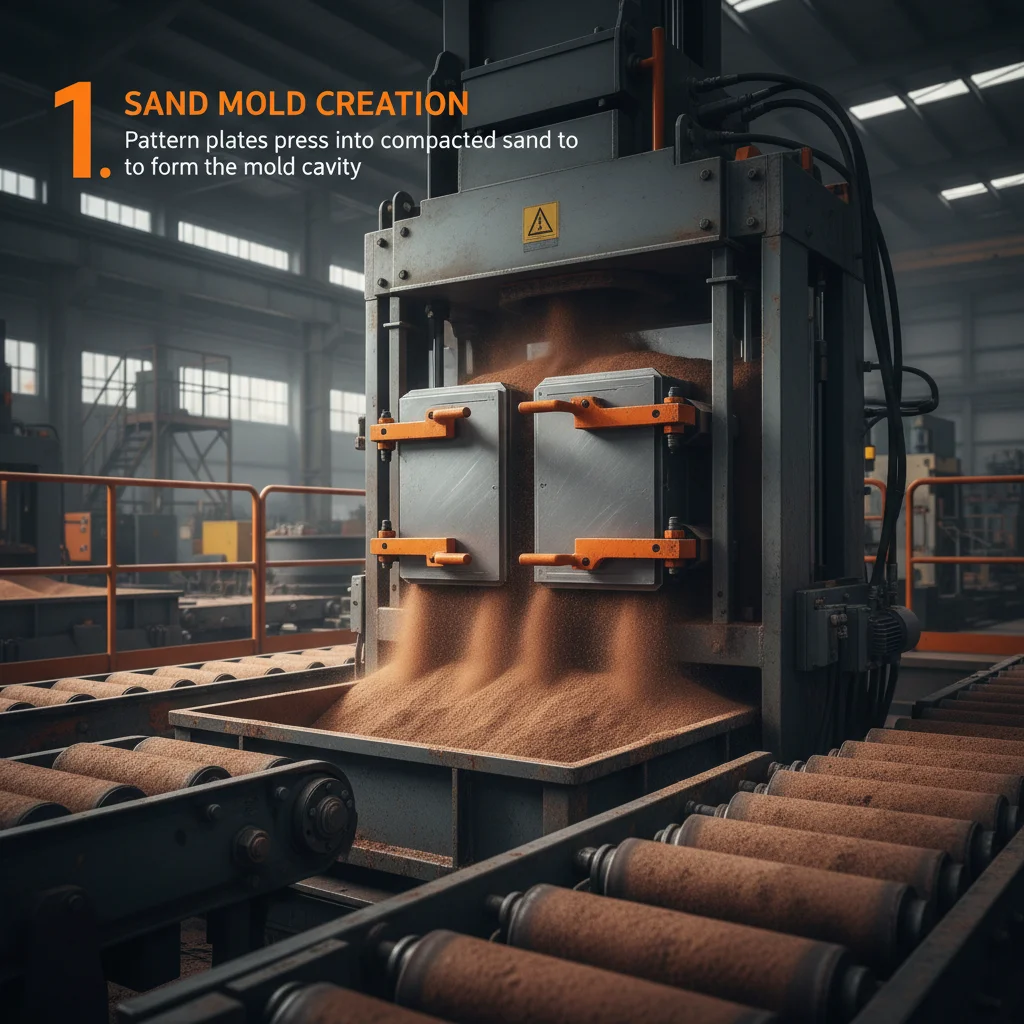
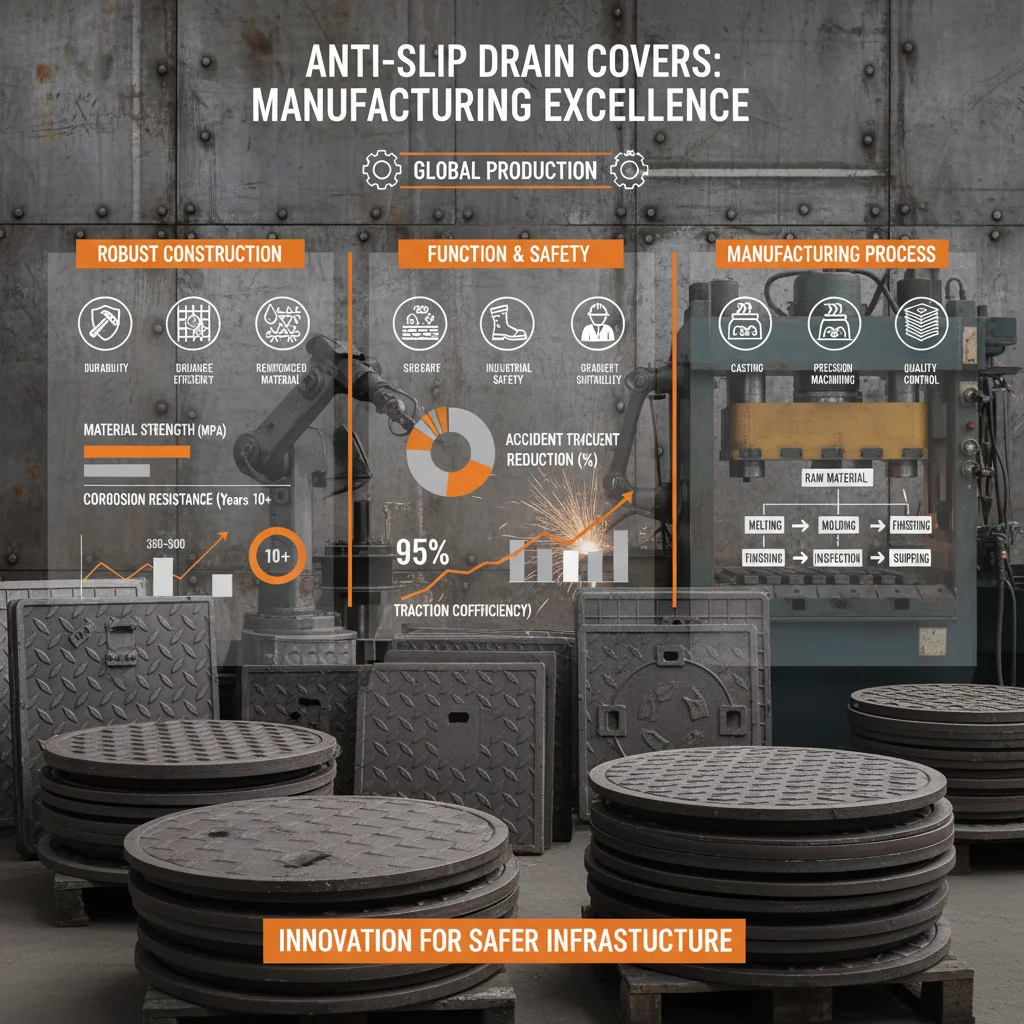
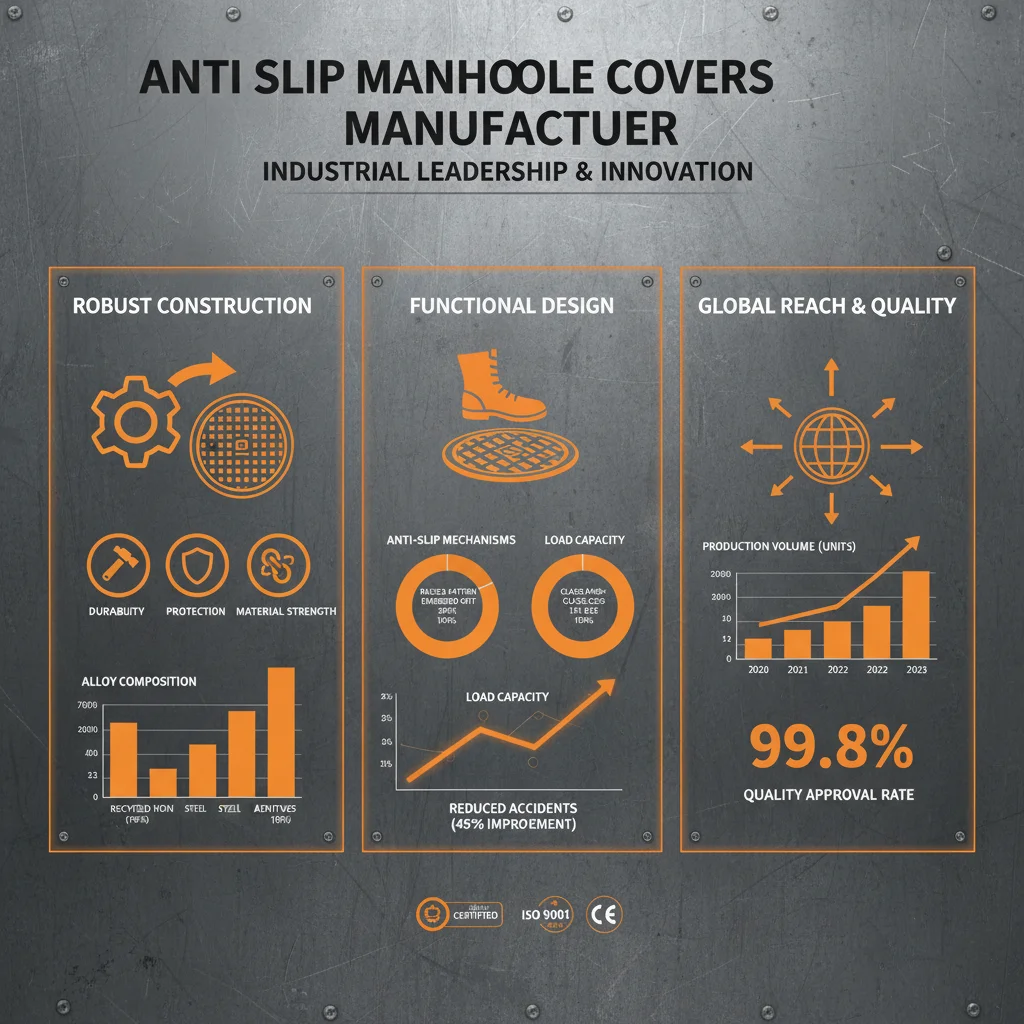
Selecting a reliable sewer cover lid factory is a critical decision for urban planners and civil engineers worldwide. These components are the unsung heroes of city infrastructure, ensuring that underground utility networks remain accessible while protecting pedestrians and vehicles from hazardous falls. The quality of these covers directly impacts public safety and the longevity of municipal drainage systems.
In the modern industrial landscape, the role of a specialized sewer cover lid factory has evolved from simple casting to precision engineering. With the rise of "smart cities," there is an increasing demand for materials that can withstand higher load capacities and resist chemical corrosion, making the choice of a manufacturer a matter of long-term economic sustainability.
Understanding the intricacies of manufacturing processes—from ductile iron casting to composite materials—allows stakeholders to optimize their procurement. By partnering with an experienced sewer cover lid factory, cities can reduce maintenance costs, minimize traffic disruptions caused by broken lids, and ensure compliance with international safety standards.
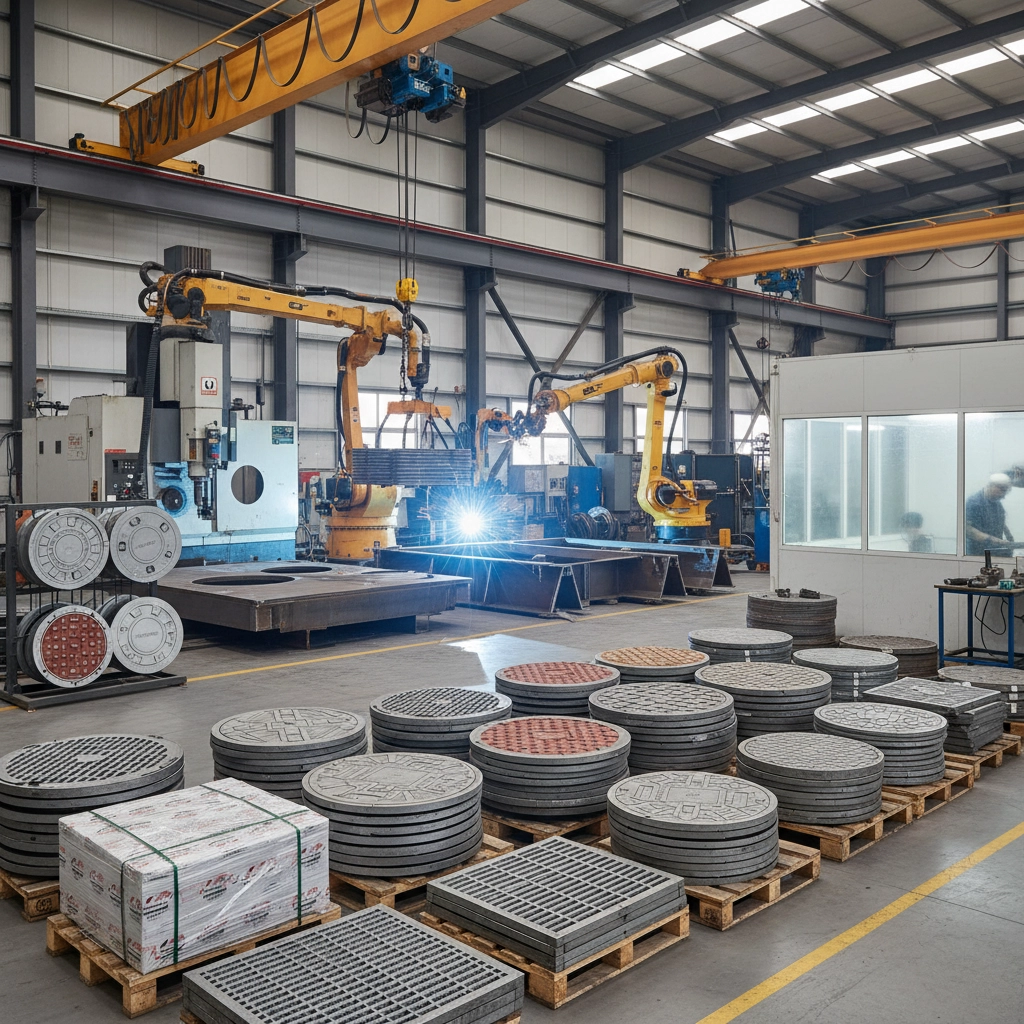
Global Standards in Sewer Cover Manufacturing
A professional sewer cover lid factory must adhere to strict international benchmarks such as EN 124, which categorizes manhole covers based on their load-bearing capacity. These standards ensure that a lid installed in a residential sidewalk doesn't accidentally end up on a high-traffic highway, where it would fail catastrophically.
Beyond load capacity, global factories now integrate ISO quality management systems to ensure consistency across thousands of units. This rigorous approach to standardization minimizes the risk of "rattling" lids and improper fits, which are common points of failure in aging urban drainage networks.
Essential Material Engineering for Durability
The choice of material is the most critical variable in any sewer cover lid factory. Ductile iron has become the industry gold standard due to its superior strength-to-weight ratio and ability to deform slightly under extreme pressure without fracturing, unlike traditional grey iron.
Furthermore, the application of advanced epoxy coatings and bitumen layers protects these components from the corrosive nature of sewer gases and road salts. This chemical resilience is what prevents premature oxidation, ensuring that the infrastructure remains intact for decades rather than years.
In specialized environments, such as chemical plants or coastal regions, factories are increasingly turning to composite materials and stainless steel. These alternatives eliminate the risk of rust entirely and provide a lightweight solution that reduces the physical strain on maintenance workers during installation.
Core Components of High-Quality Utility Lids
When evaluating a sewer cover lid factory, one must look at the precision of the seating ring. A perfectly machined interface between the cover and the frame prevents movement, which in turn prevents the degradation of the surrounding asphalt or concrete.
The locking mechanism is another vital component produced by a top-tier sewer cover lid factory. Whether it is a simple bolt-down system or a complex security lock, these features prevent unauthorized access and mitigate the risk of theft, which is a growing concern in many metropolitan areas.
Finally, the surface tread pattern—often involving anti-slip textures—is a key safety feature. A quality sewer cover lid factory engineers these patterns to maximize grip for pedestrians and tires, especially during rainy or icy conditions, reducing urban liability.
Performance Metrics for Different Load Classes
Different urban environments require varying levels of strength. A sewer cover lid factory typically produces lids ranging from Class A15 (pedestrian areas) to Class F900 (airport runways). The engineering precision required for these different tiers determines the thickness and the internal ribbing of the cover.
By utilizing Finite Element Analysis (FEA), modern factories can simulate stress points before the casting process begins. This allows them to optimize material usage while guaranteeing that the lid will not buckle under the weight of a heavy-duty freight truck.
Load Capacity Performance by Factory Method
Global Applications and Infrastructure Use Cases
The products from a sewer cover lid factory find application in diverse environments. In densely populated cities like Tokyo or New York, the focus is on high-load capacity and noise reduction to prevent the metallic "clanking" sound as vehicles pass over.
In emerging industrial zones or post-disaster reconstruction projects in Southeast Asia and Africa, the priority shifts toward rapid deployment and corrosion resistance. In these regions, modular systems provided by the factory allow for quicker installation of drainage networks to prevent urban flooding.
Long-Term Economic Value and Sustainability
While the initial cost of a premium sewer cover lid factory product might be higher than generic alternatives, the Total Cost of Ownership (TCO) is significantly lower. High-quality ductile iron covers can last 30 to 50 years, whereas inferior products may require replacement every decade.
Sustainability is also a key driver. Modern factories are implementing "Green Foundry" practices, utilizing recycled scrap metal to create new covers. This circular economy approach reduces the environmental footprint of urban development and aligns with global carbon neutrality goals.
Furthermore, the reliability of a well-manufactured lid reduces the frequency of emergency repairs. This translates to fewer road closures, less traffic congestion, and a safer environment for the general public, providing an intangible but immense social value.
Future Innovations in Drainage Access Systems
The future of the sewer cover lid factory is inextricably linked to the Internet of Things (IoT). We are seeing the emergence of "Smart Covers" equipped with sensors that can detect gas leaks, water levels, or unauthorized openings in real-time, alerting city managers via a central dashboard.
Material science is also advancing with the development of nano-coatings that are completely impervious to saltwater and extreme acids. This will be crucial for the expansion of coastal cities facing rising sea levels and increased salinity in groundwater.
Automation in the manufacturing process, including 3D printing for custom architectural lids, is allowing factories to blend utility with aesthetics. This ensures that drainage infrastructure can integrate seamlessly into historical city centers without compromising the visual integrity of the architecture.
Comparison of Modern Manufacturing Technologies in Sewer Cover Production
|
Technology Type
|
Load Capacity
|
Corrosion Resistance
|
Installation Speed
|
| Traditional Sand Casting |
Medium |
Low |
Slow |
| Ductile Iron Casting |
Very High |
Medium |
Medium |
| Composite Molded |
Medium-High |
Very High |
Fast |
| Precision Steel Fabrication |
High |
Medium |
Medium |
| IoT-Integrated Smart Lids |
High |
High |
Medium |
| Additive 3D Metal Printing |
Very High |
High |
Slow |
FAQS
The load class depends on the location of installation. For residential walkways, A15 is sufficient. For car parks and light traffic, B125 is standard. For main roads and heavy truck routes, C250 or D400 is required. A professional sewer cover lid factory can provide a load analysis based on your traffic data to ensure the correct specification is chosen for safety and longevity.
It depends on the application. Ductile iron offers superior structural strength and is ideal for high-load areas. However, composite materials are better for corrosive environments (like chemical plants) and are preferred where theft prevention is a priority, as they have no scrap metal value. A specialized factory can help you weigh the pros and cons based on your specific environment.
The best way to prevent theft is to use composite materials which lack resale value, or to install secure locking mechanisms provided by the sewer cover lid factory. These locks require specialized tools for opening, making it nearly impossible for unauthorized individuals to remove the covers. Additionally, bolted-down designs provide a strong physical deterrent.
When sourced from a quality sewer cover lid factory and installed correctly, a ductile iron cover typically lasts between 30 and 50 years. Factors affecting this lifespan include the acidity of the soil, the volume of traffic, and the quality of the initial coating. Regular inspections and occasional cleaning of the seating ring can further extend this lifespan.
Yes, most leading sewer cover lid factories offer customization. This includes modifying the dimensions to fit existing non-standard frames or casting custom logos and patterns onto the surface for branding or aesthetic integration. Custom molds are developed to ensure that even bespoke designs meet the required load-bearing safety standards.
Modern production is highly sustainable. Ductile iron is made from recycled scrap metal, and the longevity of the products reduces the need for frequent replacements, lowering the overall carbon footprint. Furthermore, factories are increasingly adopting energy-efficient induction melting and water-recycling systems to minimize the environmental impact of the casting process.
Conclusion
In summary, the selection of a sewer cover lid factory is not merely a procurement task but a strategic investment in public safety and urban resilience. By prioritizing material quality, adhering to global load standards, and embracing sustainable manufacturing, cities can ensure their drainage systems remain secure, efficient, and cost-effective for decades to come.
As we move toward the era of smart cities, the integration of IoT and advanced material science will continue to transform these simple utility lids into intelligent infrastructure components. We encourage engineers and city planners to partner with forward-thinking manufacturers to build safer, more sustainable urban environments. Visit our website: www.manholecovercn.com