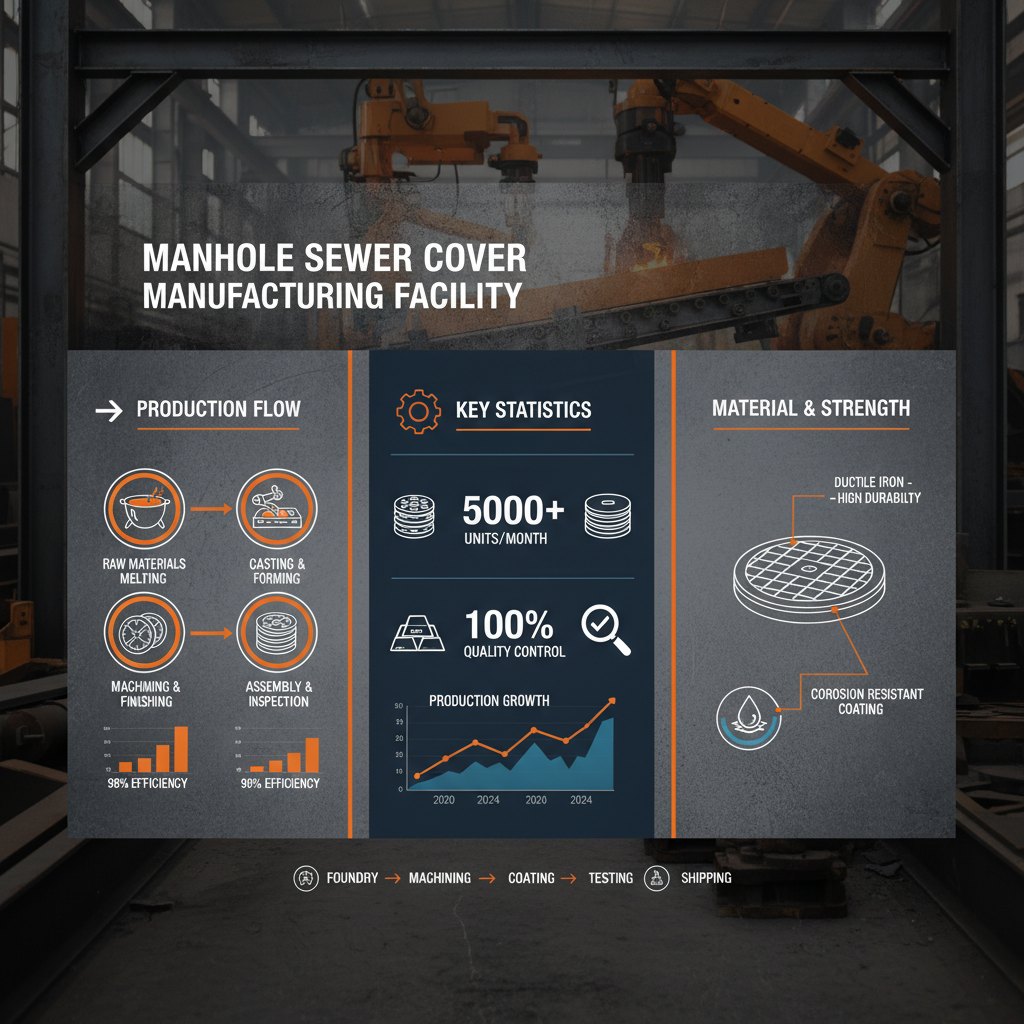
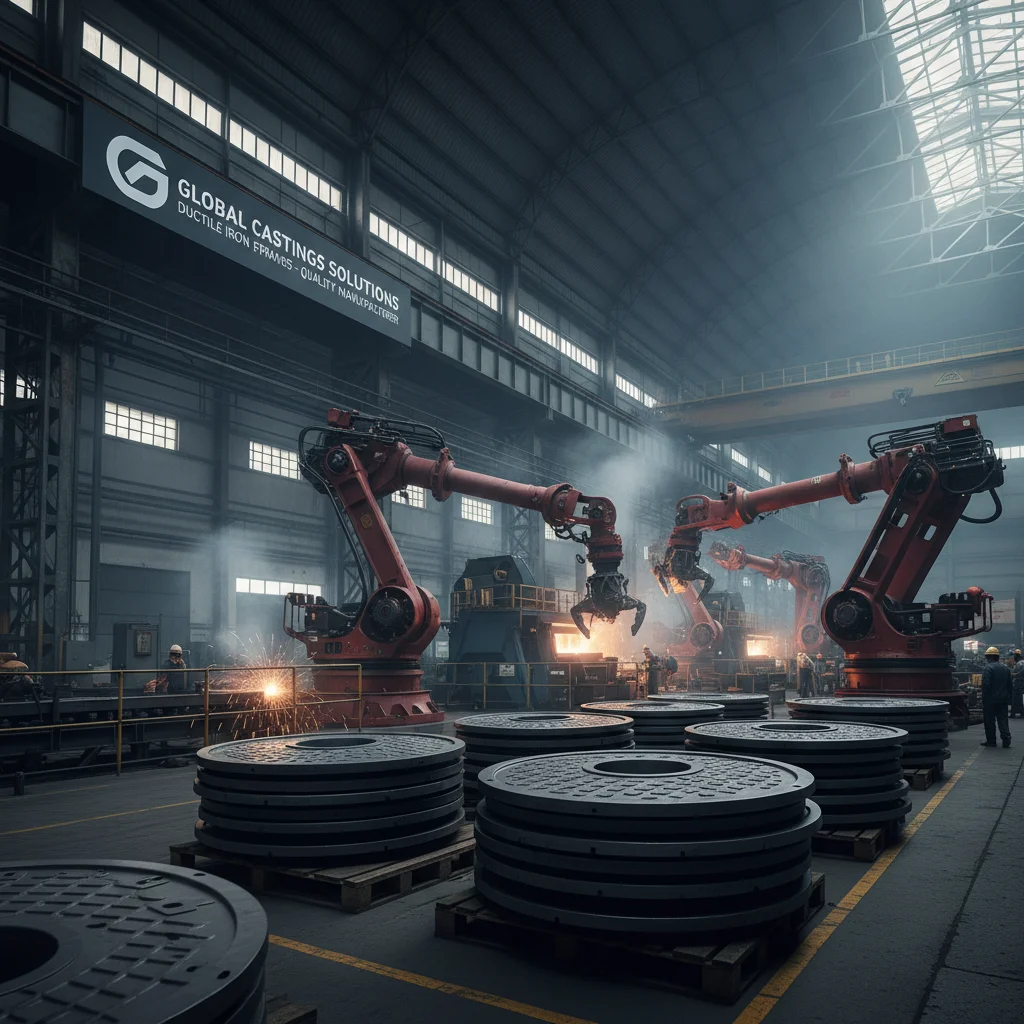
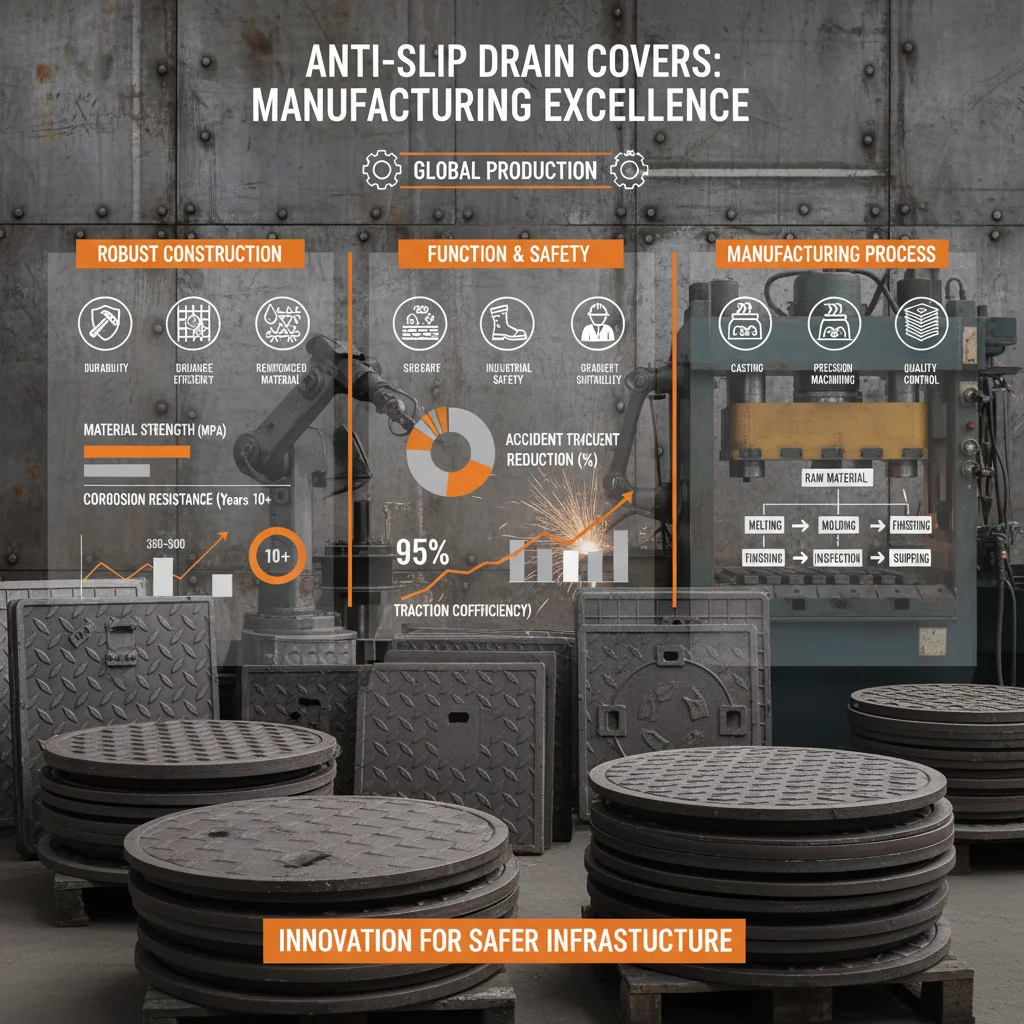
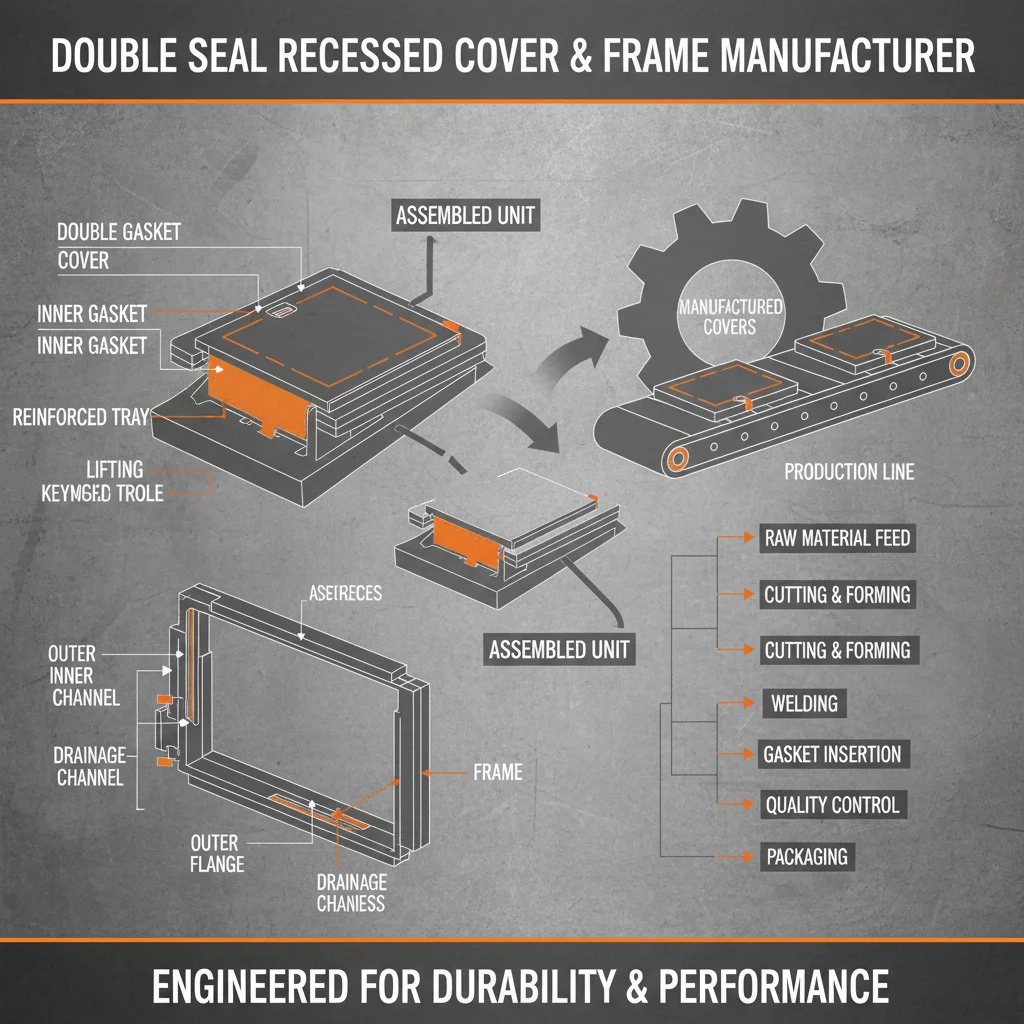
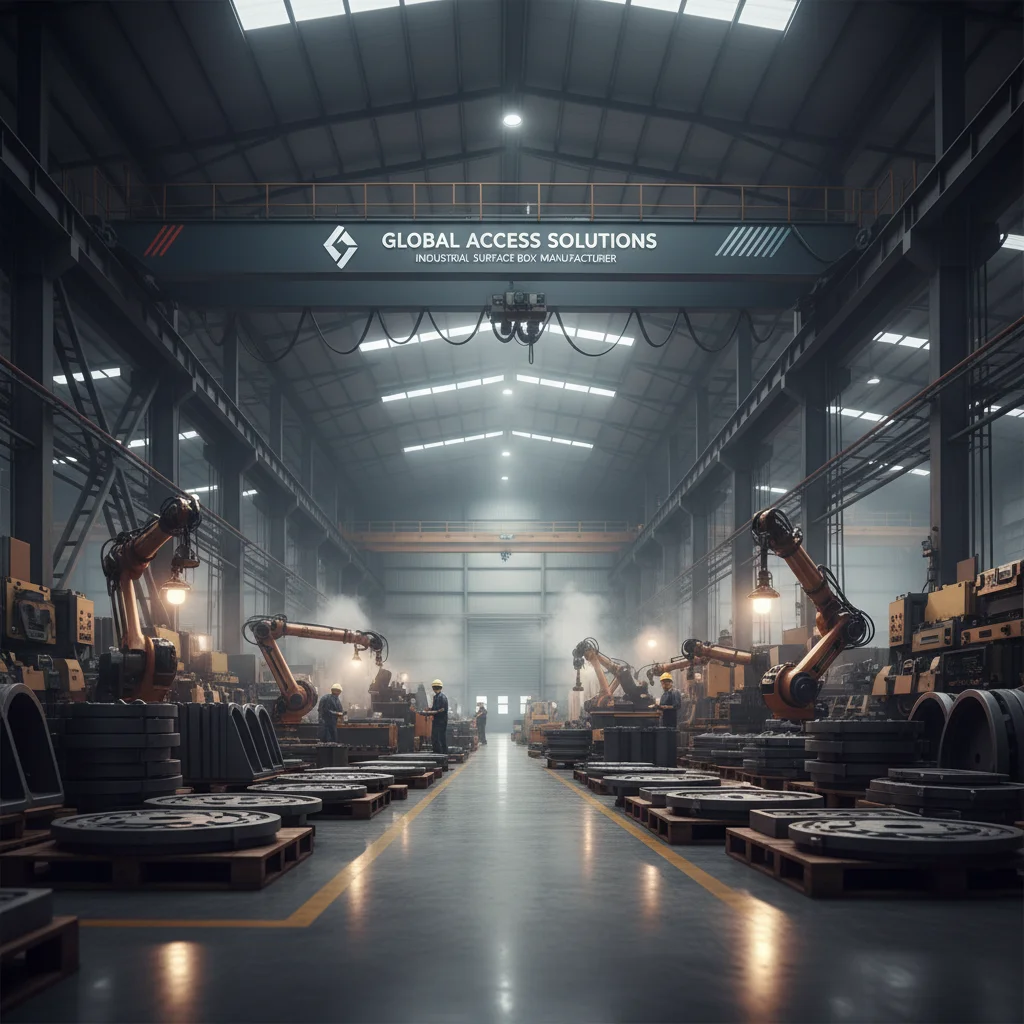
The modern urban landscape relies heavily on invisible infrastructure to maintain public health and environmental safety. At the heart of this system is the man hole sewer factory, where precision engineering meets industrial durability to create the access points essential for wastewater management and maintenance. Understanding the role of these facilities is crucial for urban planners and engineers who seek to minimize city disruptions while maximizing the lifespan of underground utility networks.
Globally, the demand for high-quality drainage solutions is surging as cities expand and climate change increases the frequency of extreme weather events. A professional man hole sewer factory does not merely cast metal; it develops sophisticated barriers that prevent accidents, stop unauthorized access, and withstand the crushing weight of heavy traffic. The integration of materials like ductile iron and composite polymers has transformed these simple lids into engineered safety components.
By focusing on the synergy between material science and hydraulic engineering, a leading man hole sewer factory ensures that city grids remain resilient. From preventing "popping" covers during flash floods to reducing noise pollution in residential areas, the technical innovations coming out of these factories are fundamental to the sustainability of the 21st-century smart city.
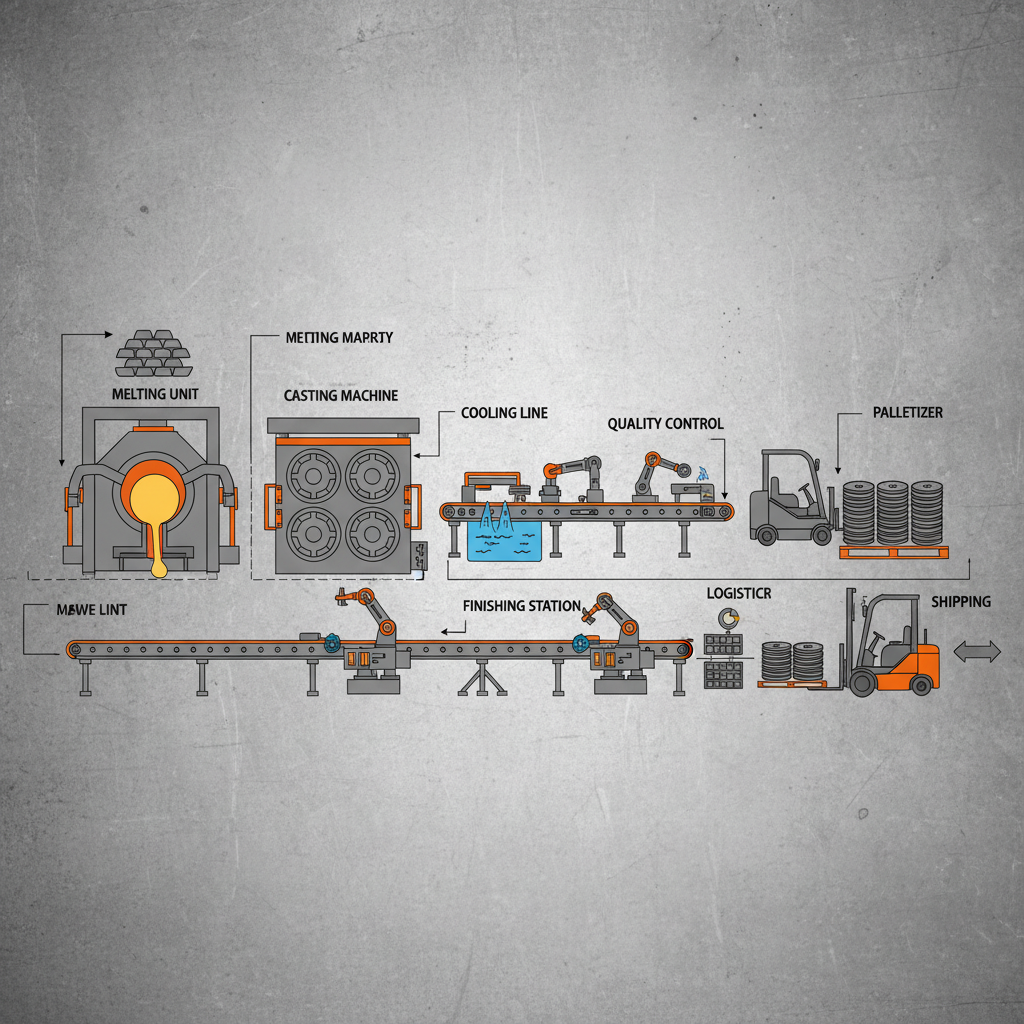
Global Industry Context of Man Hole Sewer Factory
The global infrastructure market is currently facing a critical turning point, with the World Bank highlighting a massive gap in urban sanitation systems across developing nations. A specialized man hole sewer factory plays a pivotal role in closing this gap by providing the standardized, heavy-duty components required for scalable sewage networks. Without these precision-manufactured access points, the maintenance of underground pipes becomes nearly impossible, leading to systemic failures and public health crises.
From the dense metropolitan hubs of Asia to the expanding suburbs of North America, the industry is shifting toward ISO-certified production standards to ensure safety and interoperability. The challenge lies in balancing the cost of high-grade ductile iron with the urgent need for rapid deployment in flood-prone regions, making the efficiency of a modern man hole sewer factory a cornerstone of urban resilience.
Defining the Role of a Man Hole Sewer Factory
In simple terms, a man hole sewer factory is a specialized industrial facility dedicated to the design, casting, and machining of access covers and frames used in wastewater, storm drainage, and telecommunications networks. Unlike general foundries, these factories focus on load-bearing capacities, airtight sealing, and corrosion resistance, ensuring that the products can withstand decades of exposure to harsh chemicals and heavy vehicular traffic.
The connection between these factories and modern humanitarian needs is profound. By producing reliable Ductile Iron Manhole Covers and Drainage Gratings, these facilities enable the creation of hygienic cities where sewage is safely contained and managed. This prevents the contamination of groundwater and reduces the spread of waterborne diseases, directly contributing to the UN Sustainable Development Goal of ensuring clean water and sanitation for all.
Furthermore, the evolution of the man hole sewer factory has moved toward "smart" integration. We are seeing the birth of covers embedded with IoT sensors that can detect gas leaks or overflow levels in real-time, transforming a passive piece of metal into an active node of the city's digital nervous system.
Core Components of High-Quality Sewer Production
Durability is the primary benchmark for any product leaving a man hole sewer factory. The use of spheroid graphite iron (ductile iron) allows the covers to absorb impact without cracking, a critical requirement for highways and industrial zones where heavy machinery is common.
Precision machining and scalability are equally vital. A top-tier man hole sewer factory utilizes automated CNC milling to ensure a perfect fit between the frame and the cover, which eliminates the "clanking" noise common in older city streets and prevents debris from infiltrating the sewer system.
Finally, corrosion resistance is addressed through advanced coatings. Whether using bitumen spray or epoxy powder coating, the man hole sewer factory ensures that the acidic environment of a sewer does not degrade the structural integrity of the metal over time.
Practical Applications and Global Use Cases
The output of a man hole sewer factory is utilized across diverse environments, from the high-pressure demands of airport runways to the aesthetic requirements of historic city centers. In industrial zones, heavy-duty Steel Frame Manhole Covers are deployed to support extreme axle loads, while in residential areas, lightweight Surface Boxes are used for telecom and electrical cabling.
In post-disaster relief operations, such as those following major floods in Southeast Asia, the rapid deployment of prefabricated drainage systems from a man hole sewer factory allows for the quick restoration of sanitation services. This prevents the secondary outbreak of diseases by ensuring that wastewater is channeled away from temporary shelters and residential areas effectively.
Performance Metrics of Man Hole Sewer Factory Product Lines
Long-term Value and Sustainability Benefits
The long-term value of partnering with a certified man hole sewer factory extends beyond the initial purchase price. By investing in high-grade materials, municipalities significantly reduce the "Total Cost of Ownership" (TCO). Covers that last 50 years instead of 15 reduce the frequency of road closures, minimizing traffic congestion and the associated economic loss for local businesses.
From a sustainability perspective, modern factories are incorporating recycled scrap metal into their casting process, reducing the carbon footprint of urban infrastructure. This circular economy approach, combined with the long lifespan of the products, ensures that the environmental impact of urban drainage is kept to a minimum while enhancing the safety and dignity of the city's inhabitants.
Future Innovations in Sewer Infrastructure
The next generation of products from the man hole sewer factory will be defined by "Smart City" integration. We are seeing the development of covers with integrated RFID tags and electronic sensors that can alert municipal workers to blockage levels or hazardous gas buildup before they become dangerous, shifting maintenance from a reactive to a predictive model.
Material science is also evolving, with the introduction of ultra-high-performance concrete and advanced carbon-fiber composites. These materials allow a man hole sewer factory to produce covers that are lighter for workers to lift but stronger than traditional iron, reducing workplace injuries and installation time.
Furthermore, the transition toward automated "Green Foundries" is reducing the emissions associated with casting. By utilizing induction melting and energy-efficient cooling systems, the man hole sewer factory is aligning itself with global net-zero targets without compromising the strength of the final product.
Overcoming Challenges in Modern Manufacturing
One of the primary challenges faced by a man hole sewer factory is the volatility of raw material prices, particularly iron and steel. To overcome this, leading factories are implementing lean manufacturing principles and strategic sourcing to maintain stable pricing for long-term government contracts without sacrificing quality.
Another significant hurdle is the requirement for extreme customization across different regions. A man hole sewer factory must be agile enough to produce both standard EN 124 compliant covers for Europe and customized high-load frames for industrial ports, requiring a flexible production line and a robust CAD/CAM design process.
Finally, the industry is tackling the issue of theft—particularly of copper or high-value alloys. By innovating with composite materials that have no scrap value but maintain the same structural integrity, the man hole sewer factory is providing a permanent solution to a recurring municipal headache.
Comparative Analysis of Manufacturing Standards in a Man Hole Sewer Factory
| Material Grade |
Load Class (EN 124) |
Service Life (Est.) |
Main Application |
| Ductile Iron GJS-500 |
D400 (Heavy Duty) |
30-50 Years |
Main Carriage Roads |
| Composite Polymer |
C250 (Medium Duty) |
20-30 Years |
Pedestrian Areas |
| Cast Steel |
F900 (Extra Heavy) |
50+ Years |
Airport Runways |
| Aluminum Alloy |
B125 (Light Duty) |
25-40 Years |
Roof Drainage |
| Grey Cast Iron |
A15 (Lightest) |
15-20 Years |
Garden Walkways |
| Reinforced Concrete |
C250 (Medium Duty) |
30-40 Years |
Rural Roadways |
FAQS
You should primarily look for ISO 9001 for quality management and EN 124 (European Standard) for load-bearing specifications. A reputable man hole sewer factory will provide test reports verifying the load class (e.g., A15 to F900) to ensure the product is safe for the specific intended location, whether it be a sidewalk or a highway.
It depends on the application. Ductile iron from a professional man hole sewer factory offers superior strength and longevity for high-traffic areas. However, composite materials are better for corrosive environments or areas where theft is a concern, as they are non-metallic and easier to handle during installation.
Precision is achieved through advanced CNC machining of the seating surfaces. By ensuring a tight tolerance between the frame and the cover, a man hole sewer factory eliminates the gaps that cause noise and vibration when vehicles pass over them, significantly improving urban acoustic comfort.
Yes, most high-end man hole sewer factories offer OEM and custom design services. Using CAD software, they can create tailored dimensions and load ratings for specific industrial projects, such as chemical plants or specialized telecom hubs, ensuring a perfect fit for existing infrastructure.
Lead times vary based on volume and customization. Standard stock items can often be shipped within 1-2 weeks, while custom-casted orders typically take 4-8 weeks. Efficient factories use streamlined casting processes to reduce this time without compromising the curing process of the metal.
Regular inspection for debris buildup in the frame and ensuring the coating is intact are key. While products from a quality man hole sewer factory are designed for low maintenance, cleaning the seating area prevents edge-wear and ensures the cover remains securely seated over time.
Conclusion
The critical role of a man hole sewer factory extends far beyond simple metal casting; it is a vital component of urban safety, public health, and environmental sustainability. From the precision of ductile iron engineering to the integration of smart sensors, these facilities ensure that the veins of our cities—our sewer and utility networks—remain accessible and secure. By prioritizing durability, load-bearing precision, and sustainable manufacturing, the industry provides the invisible foundation upon which modern metropolitan life is built.
Looking forward, the synergy between digital transformation and material science will continue to redefine the industry. Municipalities are encouraged to move toward high-specification, certified products that offer lower total costs of ownership and higher safety ratings. As we build the cities of tomorrow, the reliance on innovative, high-quality output from a specialized man hole sewer factory will only grow, ensuring that our urban growth is matched by robust and resilient infrastructure. Visit our website: www.manholecovercn.com