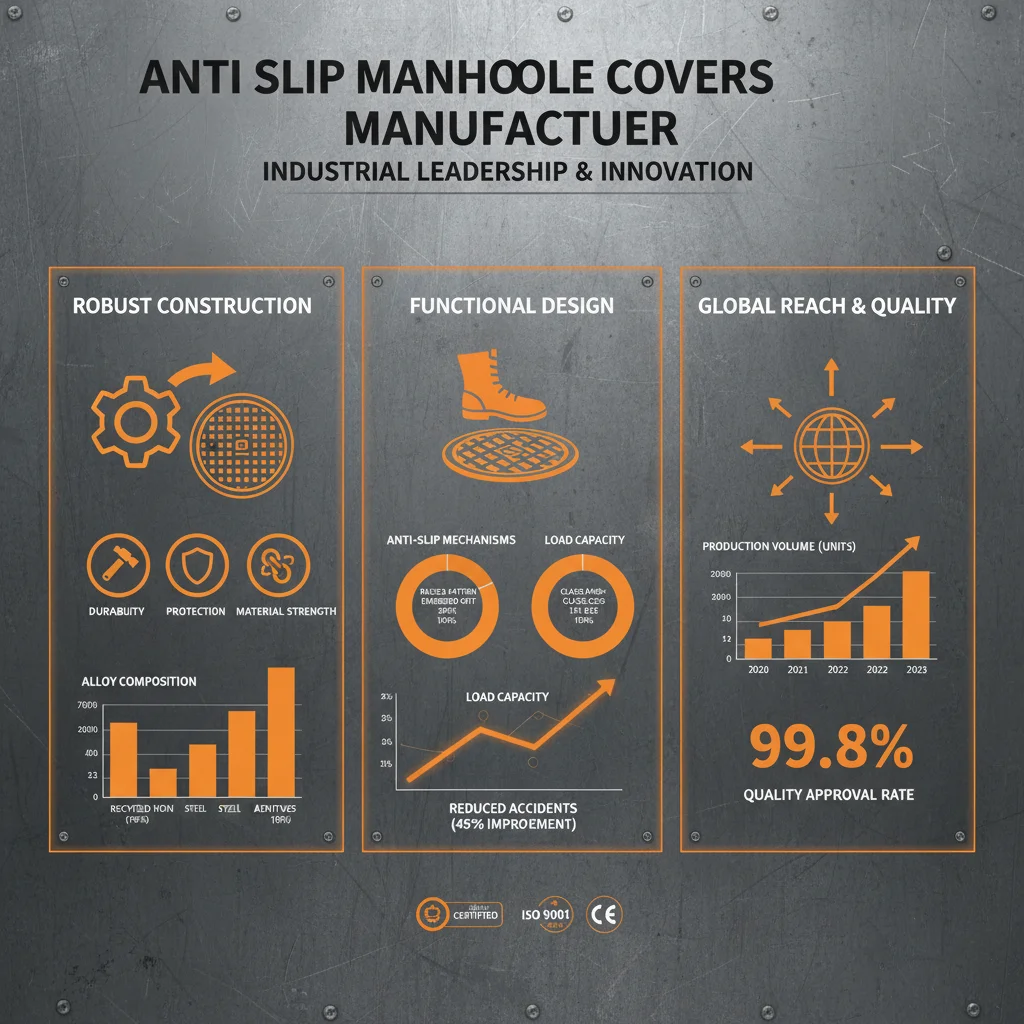
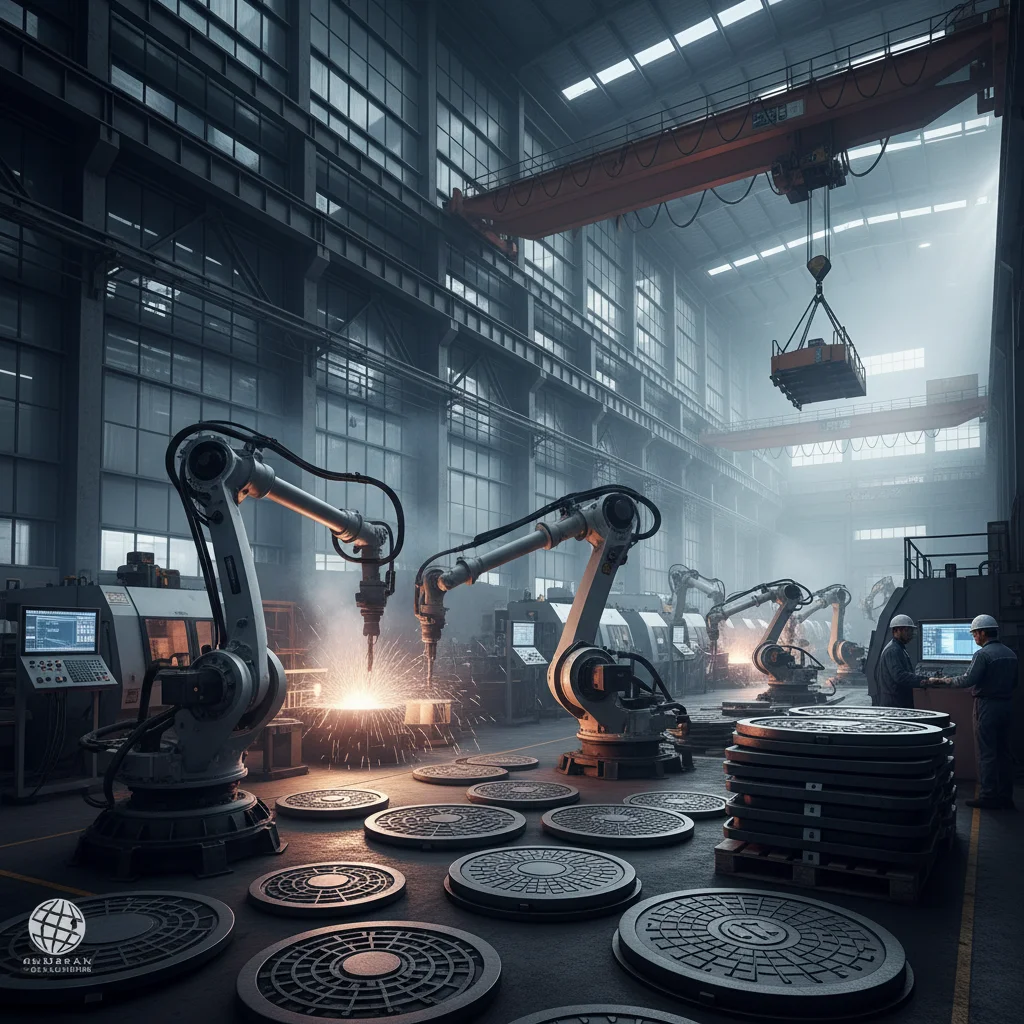
Establishing a reliable urban infrastructure begins with the selection of a professional sewer lid cover factory that understands the critical balance between structural integrity and public safety. These facilities are not merely casting plants; they are the architects of the unseen conduits that keep our cities hygienic and functional, ensuring that water management systems remain accessible yet secure from unauthorized entry or accidental falls.
In the global landscape of urban development, the role of a specialized sewer lid cover factory has evolved from simple iron molding to advanced metallurgical engineering. With the rise of "Smart Cities," the demand for covers that can withstand extreme load-bearing pressures while resisting corrosion from aggressive chemical runoff has never been higher, making the technical expertise of the manufacturer a primary pillar of municipal stability.
Understanding the operational nuances of a top-tier sewer lid cover factory allows engineers and city planners to optimize the lifecycle of their drainage systems. By focusing on material science, precision casting, and adherence to international safety standards, these factories provide the essential hardware—from ductile iron manhole covers to sophisticated roof drainage systems—that protects both the environment and the citizenry.
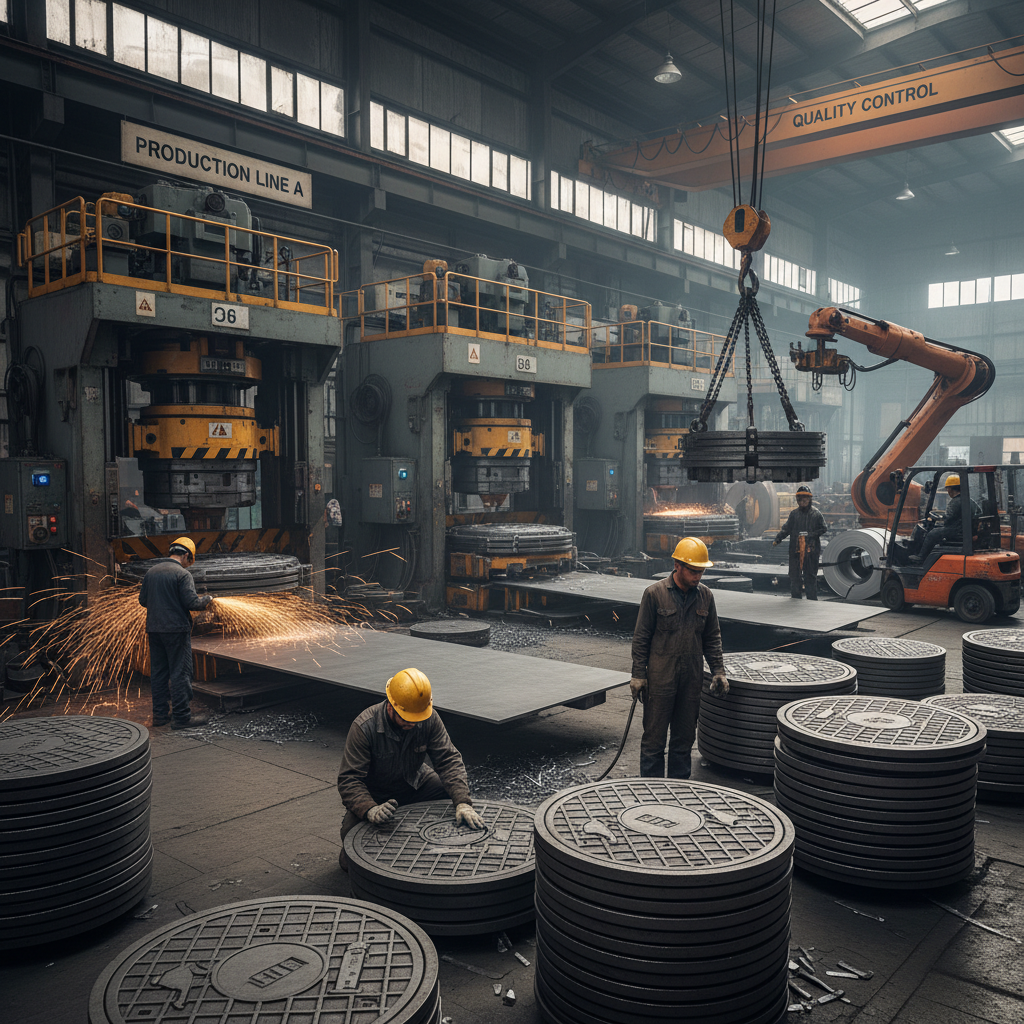
Global Industry Context of Sewer Lid Cover Manufacturing
The global demand for infrastructure resilience has pushed every leading sewer lid cover factory to align with ISO and EN 124 standards. As urbanization accelerates in Asia and Africa, the World Bank highlights that inadequate drainage systems are a primary driver of urban flooding and disease. This has shifted the industry from producing generic covers to engineering site-specific solutions that can handle everything from pedestrian walkways to heavy-duty industrial ports.
Furthermore, the transition from traditional grey cast iron to ductile iron has revolutionized the industry. A modern factory now focuses on the "ductility" of the metal, ensuring that covers bend rather than shatter under extreme impact. This technical shift is critical for preventing catastrophic road collapses and ensuring that utility workers can safely access subsurface networks without the risk of structural failure.
Defining the Modern Sewer Lid Cover Factory
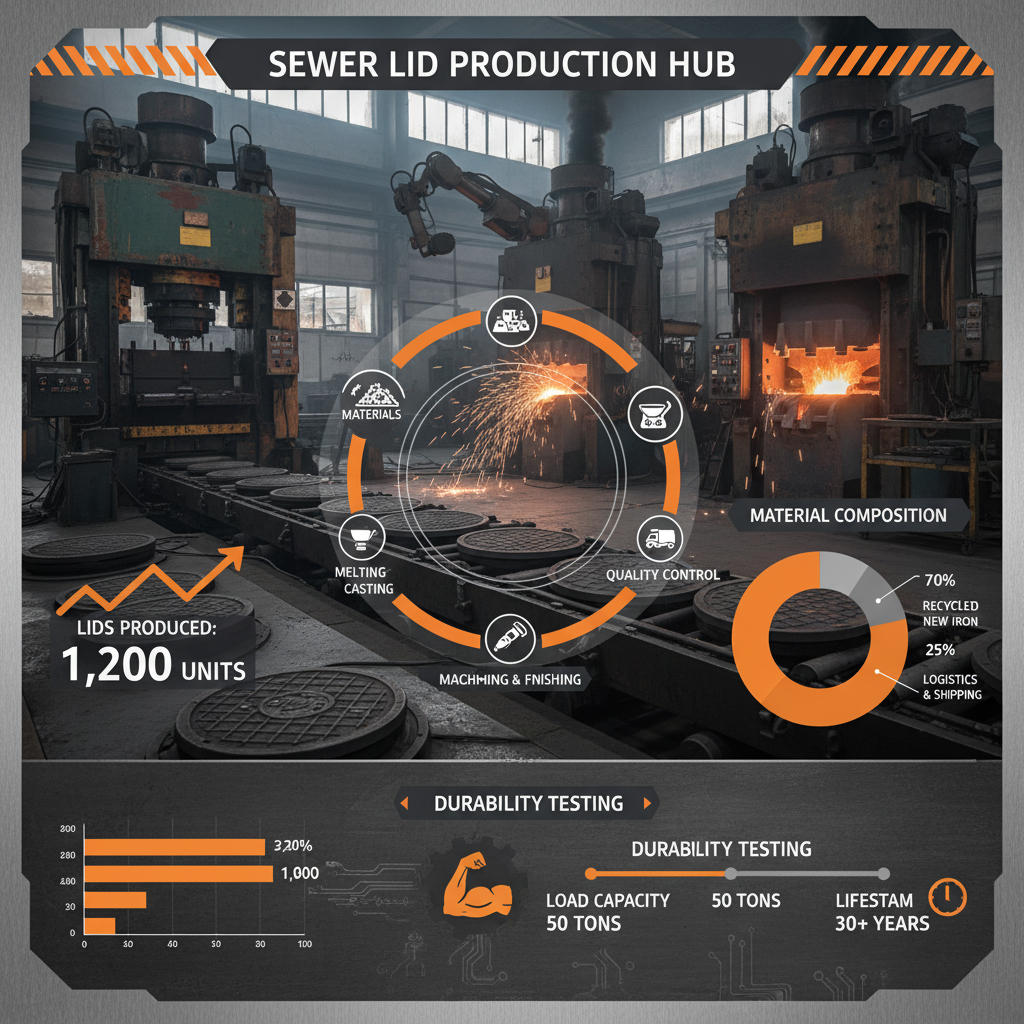
At its core, a sewer lid cover factory is a specialized metallurgical facility dedicated to the design, casting, and finishing of access covers for underground utilities. Unlike general foundries, these factories specialize in high-precision molds and load-testing protocols to ensure that every piece—whether it is a telecom manhole cover or a surface box—can withstand the specific tonnage of its intended environment.
Beyond the machinery, such a factory serves as a hub for humanitarian and civic safety. By producing leak-proof and secure seals, they prevent the infiltration of surface pollutants into groundwater and stop hazardous sewer gases from escaping into residential areas. This connection to public health makes the factory a vital partner in the "One Health" approach to urban sanitation and disease prevention.
In today's market, the definition has expanded to include the integration of composite materials. While iron remains the gold standard for heavy loads, many factories now incorporate polymer concrete or fiberglass-reinforced plastics to solve the problem of theft and corrosion in coastal regions, showcasing a versatility that blends traditional craftsmanship with chemical engineering.
Core Components of High-Quality Production
The success of a sewer lid cover factory relies heavily on Material Purity. The use of high-grade ductile iron ensures that the covers possess superior tensile strength and impact resistance, which are non-negotiable for high-traffic urban arteries.
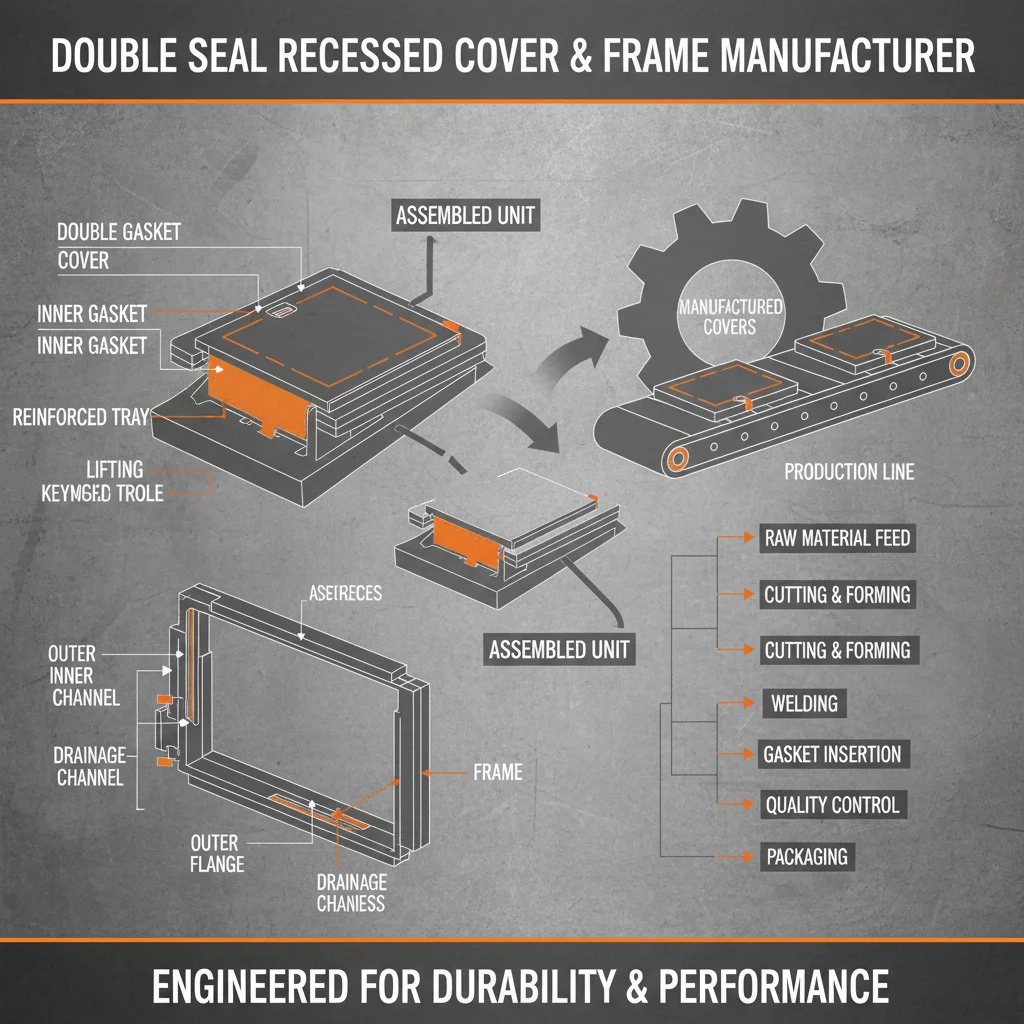
Precision Engineering and Molding is where the technical magic happens. By employing CNC machining and advanced sand-casting techniques, a professional factory ensures that the lid fits the frame perfectly, eliminating "rattle" and reducing noise pollution in residential zones—a key factor in urban livability.
Finally, Anti-Corrosive Coating technologies, such as bitumen painting or epoxy powder coating, provide the long-term durability needed to fight oxidation. This ensure that the investment made by municipalities lasts for decades rather than years, drastically reducing the total cost of ownership.
Global Applications and Use Cases
The products from a sewer lid cover factory are deployed in diverse environments, from the dense skyscrapers of Tokyo to the sprawling industrial zones of Germany. In heavy industrial sectors, high-load steel frame manhole covers are essential for supporting the weight of freight trucks and machinery, preventing ground subsidence and ensuring operational continuity in logistics hubs.
In coastal cities, where salt air and saline groundwater accelerate corrosion, specialized coatings and composite materials are used. For example, in post-flood restoration projects in Southeast Asia, the deployment of rapid-install drainage gratings and ductile iron covers has been instrumental in restoring sanitary conditions and preventing the spread of waterborne illnesses.
Performance Analysis of Sewer Lid Cover Factory Production Methods
Long-Term Value and Safety Advantages
The primary value offered by a certified sewer lid cover factory is the mitigation of risk. A failure in a manhole cover can lead to severe vehicular accidents or pedestrian injuries. By adhering to rigorous load-testing (e.g., Class A15 to D400), these factories ensure that the infrastructure provides a "silent safety" that the public takes for granted but depends on daily.
Beyond physical safety, there is an economic logic to investing in high-quality covers. While the initial cost of ductile iron may be higher than cheaper alternatives, the reduction in maintenance frequency and the prevention of theft (through locking mechanisms) result in a significantly lower lifecycle cost. This reliability fosters trust between municipal governments and the citizens they serve.
Future Trends in Drainage Engineering
The next frontier for the sewer lid cover factory is the "Intelligent Cover." We are seeing the integration of IoT sensors within the lid and frame that can detect gas leaks, monitor water levels in real-time, or alert authorities when a cover has been illegally removed. This digital transformation turns a passive piece of iron into an active data point for urban management.
Sustainability is also driving a shift toward "Green Foundries." Leading factories are implementing closed-loop recycling systems where old manhole covers are collected, melted down, and recast into new products. This reduces the reliance on virgin iron ore and lowers the carbon footprint of the manufacturing process, aligning the industry with global ESG (Environmental, Social, and Governance) goals.
Furthermore, additive manufacturing (3D printing) is beginning to play a role in prototyping. This allows a factory to create highly customized, complex geometric patterns for architectural drainage gratings that were previously impossible to cast, merging aesthetic urban design with industrial utility.
Overcoming Industrial Challenges
One of the most persistent challenges facing a sewer lid cover factory is the conflict between weight and strength. Heavy lids are durable but difficult for workers to lift, increasing the risk of workplace injury. The solution lies in the development of high-strength alloys and ergonomic lifting designs that maintain load capacity while reducing overall mass.
Another critical issue is the theft of metal covers for scrap value, which leaves dangerous open holes in public roads. To combat this, innovative factories are developing anti-theft locking systems and shifting toward composite materials that have no scrap value but possess the same structural integrity as iron.
Lastly, ensuring uniformity across large-scale international shipments remains a hurdle. By implementing rigorous quality control (QC) checkpoints and utilizing digital calipers for every batch, factories can ensure that a cover manufactured in one continent fits perfectly into a frame installed in another.
Comparison of Sewer Lid Cover Material Performance and Application
| Material Type |
Load Capacity |
Corrosion Resistance |
Best Use Case |
| Ductile Iron |
Ultra-High (D400+) |
High (with coating) |
Main Highways & Ports |
| Grey Cast Iron |
Medium |
Moderate |
Residential Side-streets |
| Composite Resin |
Medium to High |
Excellent |
Coastal & Chemical Plants |
| Reinforced Steel |
Highest |
Low (requires galvanizing) |
Heavy Industrial Warehouses |
| Polymer Concrete |
Medium |
High |
Pedestrian Plazas |
| Aluminum Alloy |
Low to Medium |
Excellent |
Light-duty Decorative Areas |
FAQS
Choosing the correct load class depends on the intended traffic. Class A15 is for pedestrians and cyclists, B125 for cars/light vehicles on footways, C250 for gully tops in parking lots, and D400 for all traffic, including heavy trucks on main roads. A professional factory will provide a load-bearing chart to help you match the product to your specific site requirements to ensure safety and longevity.
Yes, ductile iron contains magnesium, which changes the graphite structure from flakes to nodules. This makes the material far more flexible and resistant to cracking under impact. While grey iron is brittle and can shatter under sudden heavy loads, ductile iron absorbs energy, making it the safer and more durable choice for any high-traffic urban environment.
Factories employ two primary strategies: mechanical and material-based. Mechanical solutions include integrated locking bolts and specialized hinges that require a proprietary key for removal. Material-based solutions involve using composite materials that offer the same strength as iron but have very little resale value in scrap yards, thereby removing the incentive for theft.
When produced by a high-quality factory using ductile iron and proper anti-corrosive coatings, a cover can easily last 20 to 50 years. The lifespan depends on the environment; covers in highly saline coastal areas or those exposed to industrial chemicals may require more frequent coating maintenance, but the structural core remains intact for decades.
Absolutely. Most modern factories use CNC-machined patterns to create custom molds. This allows municipalities to include city crests, utility identifiers (e.g., "WATER" or "TELECOM"), or specific non-slip textures tailored to local climate conditions, such as deeper treads for rainy or snowy regions.
Yes, especially those from factories implementing circular economy practices. Ductile iron is 100% recyclable. Many factories now use reclaimed scrap metal and energy-efficient induction furnaces to reduce CO2 emissions. Additionally, the long lifespan of these products reduces the need for frequent replacement, further lowering the environmental impact.
Conclusion
The operations of a professional sewer lid cover factory are fundamental to the invisible architecture of our modern cities. By blending advanced metallurgy, precision engineering, and a commitment to international safety standards, these factories provide more than just metal lids—they provide the security and stability necessary for urban growth. From the selection of ductile iron to the implementation of anti-theft mechanisms, every detail contributes to a safer, more efficient public infrastructure.
Looking forward, the integration of smart sensors and sustainable manufacturing will further elevate the role of drainage engineering. As we build the cities of tomorrow, the partnership between municipal planners and expert manufacturers will be key to creating resilient, "leak-proof," and intelligent urban environments. For those seeking reliable, high-performance drainage solutions, we invite you to explore the gold standard of manufacturing. Visit our website: www.manholecovercn.com