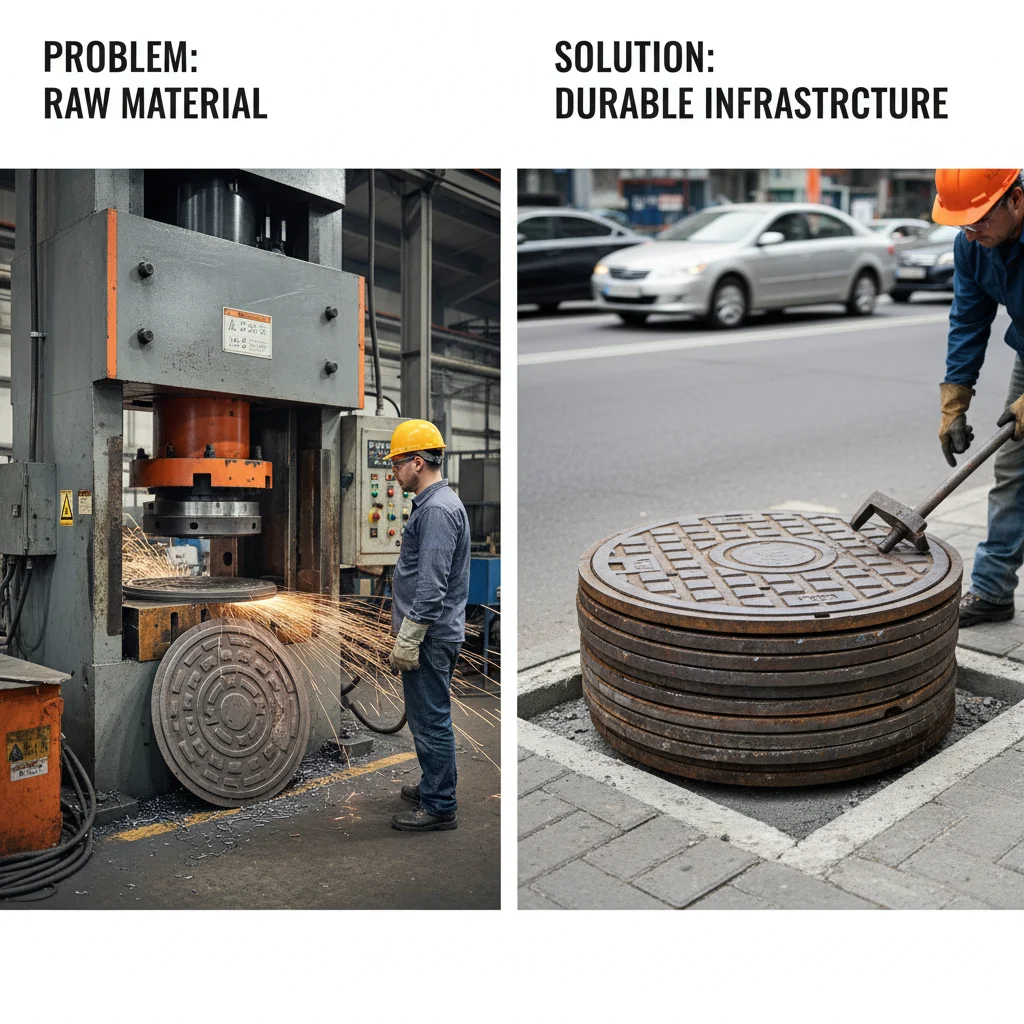
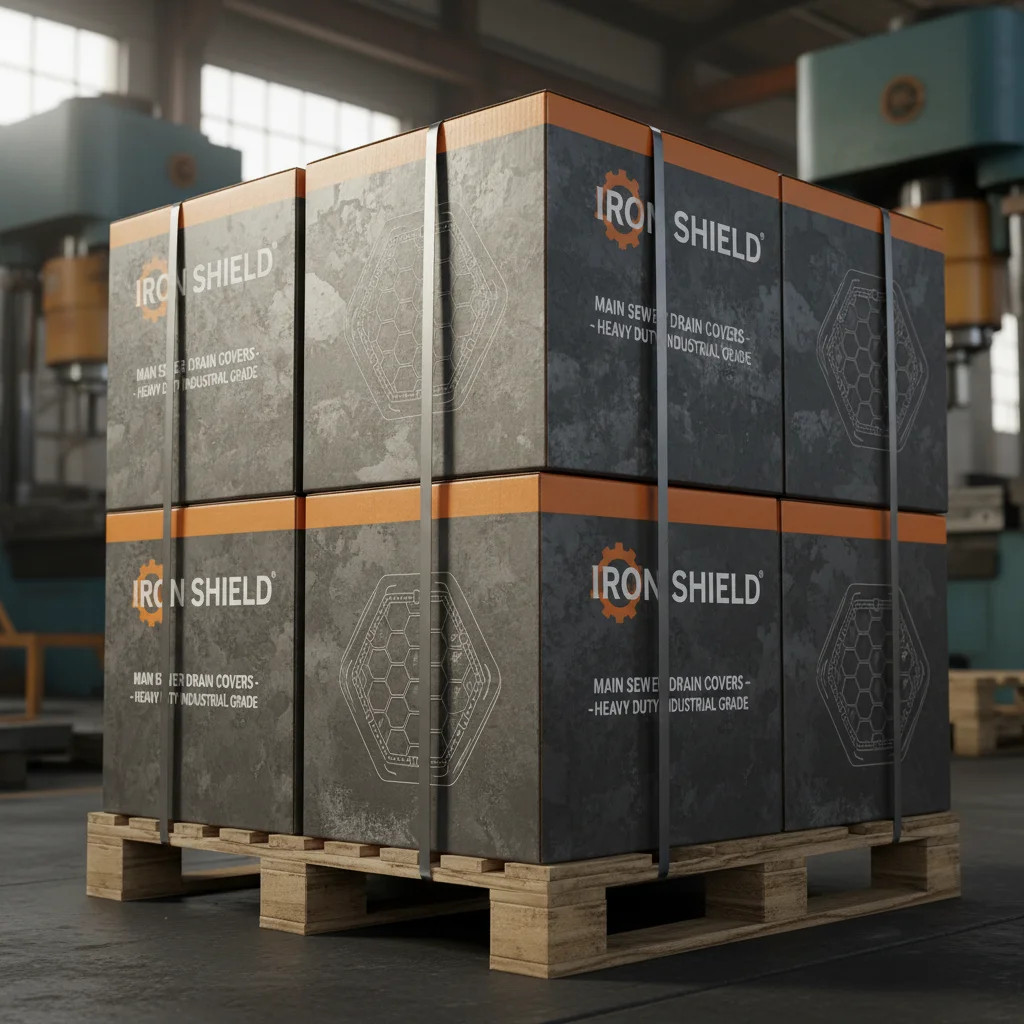
Choosing the right manhole cover factory is more than a simple procurement decision; it is a critical investment in urban safety and infrastructure longevity. From ensuring the integrity of drainage systems to preventing unauthorized access to utility networks, the quality of these industrial components determines the resilience of a city's subterranean architecture.
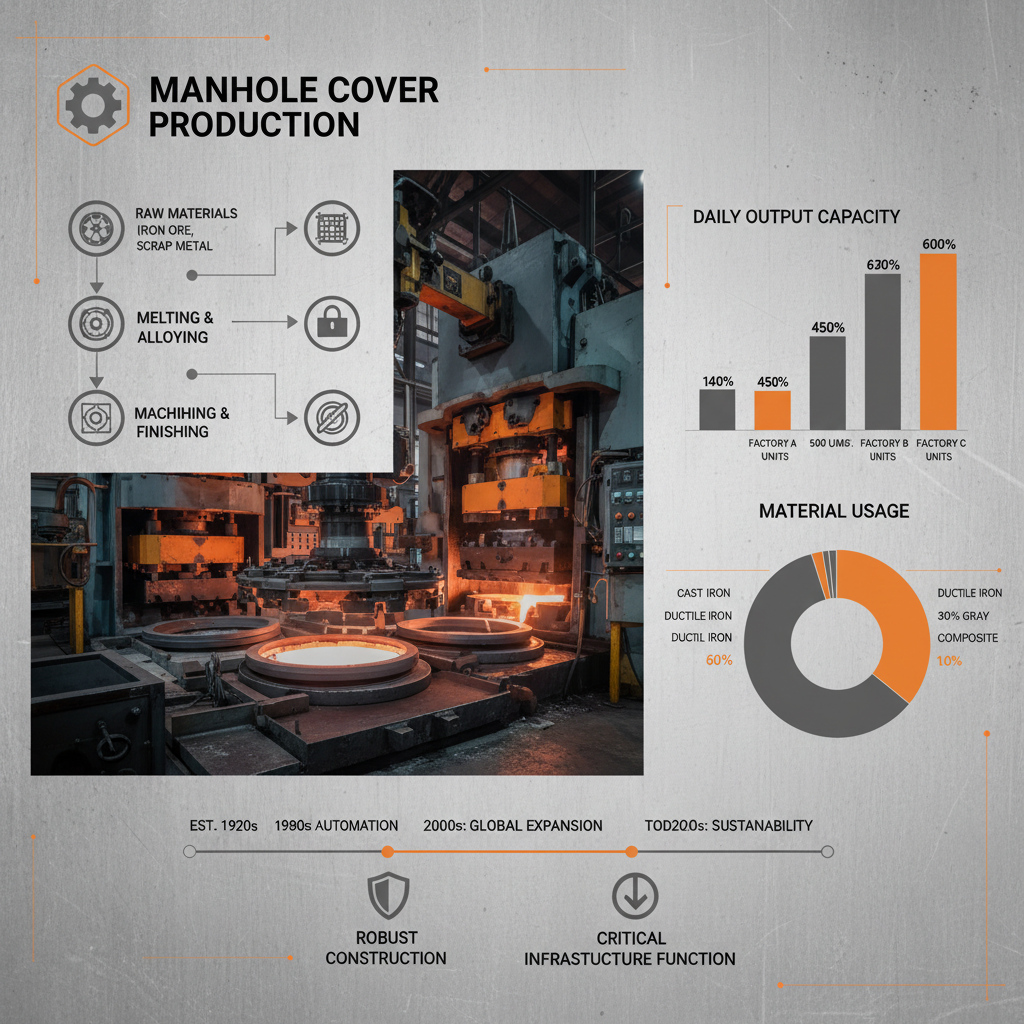
In the modern era of rapid urbanization, the demand for high-performance materials has pushed the boundaries of what a manhole cover factory can produce. We are seeing a shift from traditional heavy cast iron to ductile iron and composite materials that offer superior strength-to-weight ratios, reducing installation costs and increasing worker safety during maintenance.
Understanding the technical nuances of manufacturing—ranging from load-bearing capacities (EN 124 standards) to anti-theft locking mechanisms—allows engineers and city planners to optimize their infrastructure. This guide explores the intricate ecosystem of the manhole cover factory, highlighting the balance between industrial durability and commercial viability.
Global Industry Context of Manhole Cover Manufacturing
On a global scale, the output of a professional manhole cover factory is integral to the Sustainable Development Goals (SDGs) set by the UN, particularly those regarding sustainable cities and communities. With urban populations expanding, the pressure on sewage and telecom networks has increased, necessitating more robust access points that can withstand heavier traffic loads and harsher environmental conditions.
The industry is currently grappling with the challenge of material scarcity and the need for ISO-certified quality management systems. A failure in a single manhole cover can lead to catastrophic accidents or expensive utility downtime, making the role of the factory not just about casting metal, but about ensuring public safety through precision engineering.
Defining the Modern Manhole Cover Factory
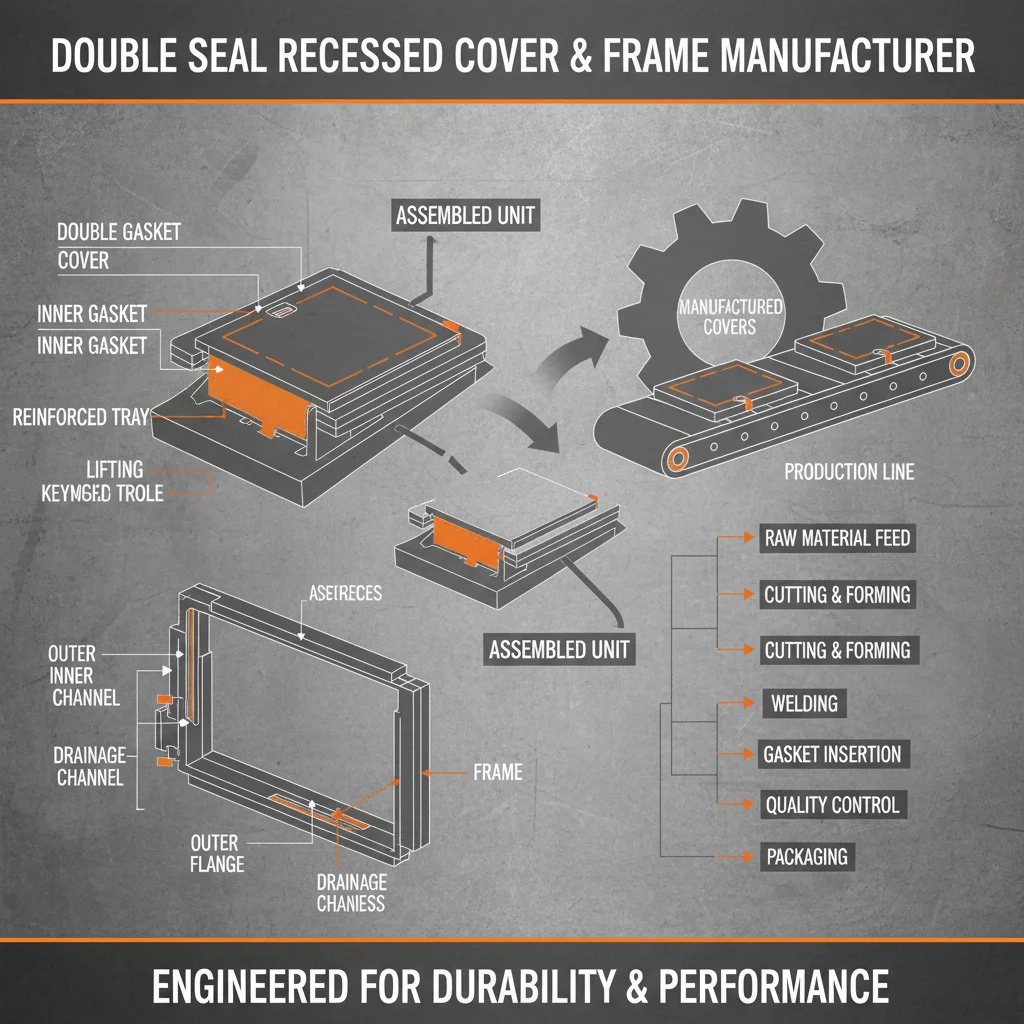
At its core, a manhole cover factory is a specialized industrial facility dedicated to the design, molding, and finishing of access covers for underground utilities. While the concept seems simple, modern factories integrate advanced metallurgy and CAD design to create products like Ductile Iron Manhole Covers and Steel Frame Manhole Covers that meet specific load classes (from A15 for pedestrian areas to F900 for airport runways).
Beyond mere production, these factories serve as hubs for material science innovation. By experimenting with polymer-concrete and high-grade ductile iron, a manhole cover factory can produce components that are resistant to corrosion from hydrogen sulfide gas in sewers or salt-spray in coastal urban environments.
In the context of modern humanitarian and civil needs, these factories provide the essential "gateways" to the veins of a city. Whether it is facilitating the rapid deployment of telecom fiber optics through Telecom Manhole Covers or managing stormwater via Drainage Gratings, the factory is the primary source of infrastructure reliability.
Core Components of High-Quality Production
Durability is the primary metric for any reputable manhole cover factory. This is achieved through rigorous stress testing and the use of spheroidal graphite iron, which allows the cover to deflect slightly under load without cracking, unlike traditional grey iron.
Scalability in production is equally vital. A manhole cover factory must be able to transition from producing standard Surface Boxes to large-scale Roof Drainage System Products without compromising the precision of the molds or the consistency of the alloy composition.
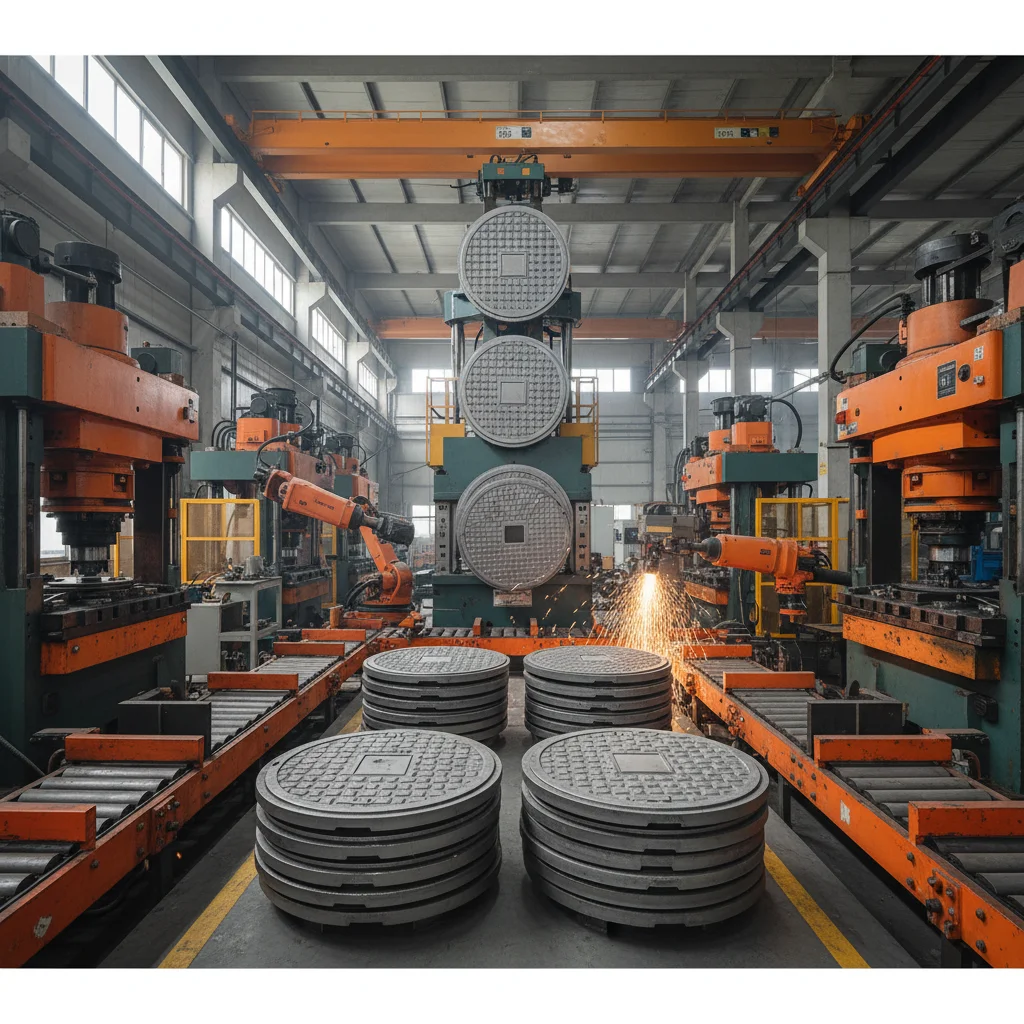
Cost efficiency is realized not by lowering material quality, but through the optimization of the casting process. By utilizing automated pouring systems and energy-efficient furnaces, a modern manhole cover factory can reduce waste and lower the unit price for municipal tenders.
Global Applications and Strategic Use Cases
The products originating from a manhole cover factory find application in diverse and often extreme environments. In high-density metropolitan areas like Tokyo or New York, the focus is on high-load capacity and noise reduction (preventing "clanking" when cars pass over), requiring precision-fit frames and covers.
In remote industrial zones or post-disaster relief operations, the ability to quickly install standardized Steel Frame Manhole Covers ensures that temporary sanitation and water systems can be managed effectively. These use cases highlight the versatility required from a factory to serve both luxury urban developments and rugged industrial sites.
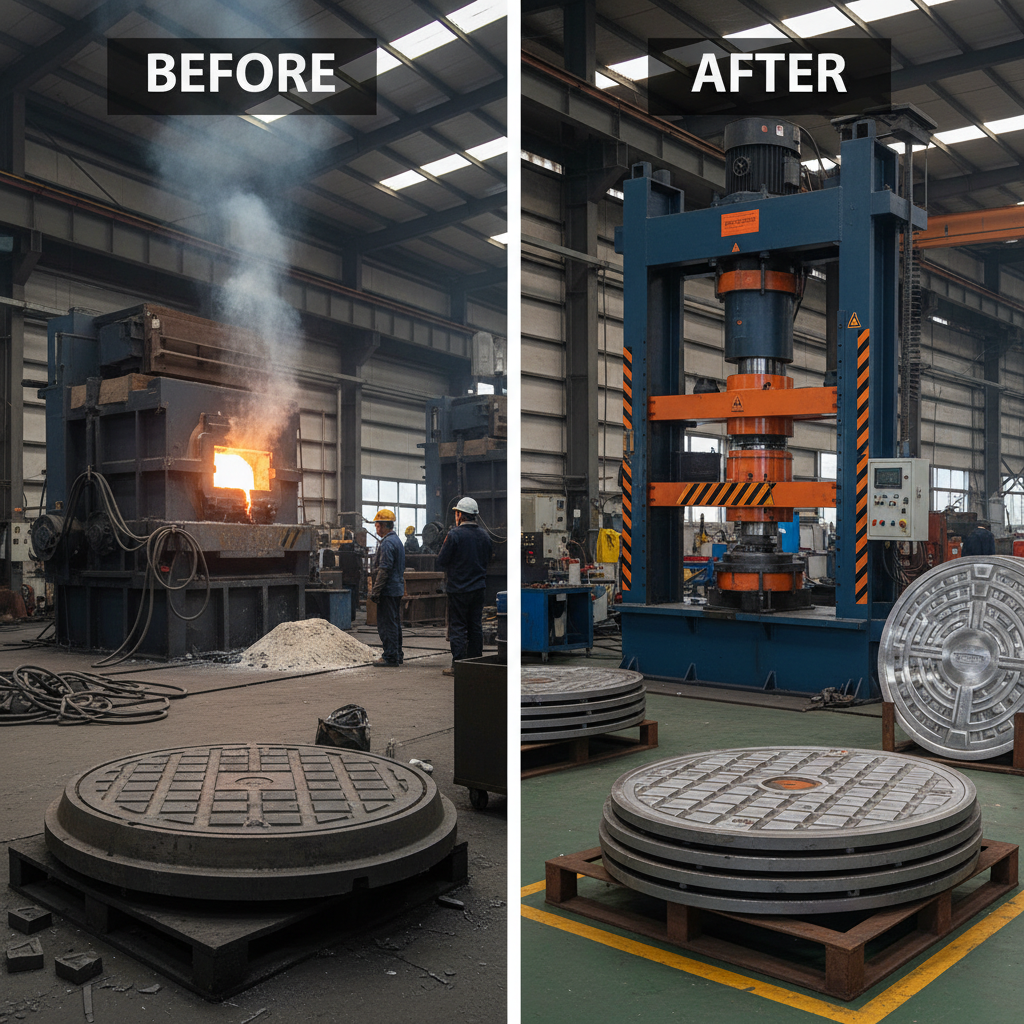
Operational Efficiency of Manhole Cover Factory Methods
Long-Term Value and Economic Advantages
The long-term value of sourcing from a certified manhole cover factory lies in the reduction of Life Cycle Costs (LCC). While cheaper, non-standard covers may seem attractive initially, their propensity for cracking and theft leads to frequent replacements and potential liability lawsuits due to road accidents.
From a sustainability angle, a forward-thinking factory utilizes recycled scrap metal, turning industrial waste into long-lasting urban assets. This circular economy approach not only reduces the carbon footprint of the infrastructure but also provides emotional peace of mind to stakeholders who prioritize "green" city building and ethical procurement.
Future Trends in Infrastructure Access
The next generation of the manhole cover factory is embracing the "Smart City" revolution. We are seeing the integration of IoT sensors within the covers themselves, allowing municipalities to monitor gas levels, flood warnings, or unauthorized opening in real-time, transforming a passive piece of metal into an active data node.
Material innovation is also shifting toward high-performance composites that are completely immune to corrosion and possess zero scrap value, effectively eliminating the systemic problem of metal theft that plagues many developing urban centers.
Automation and 3D printing of molds are further enabling factories to provide hyper-customized solutions. Whether it is a bespoke aesthetic design for a historical district or a specific geometric requirement for a new telecom hub, the modern factory is becoming more agile and responsive.
Overcoming Challenges in Factory Operations
One of the most persistent challenges for a manhole cover factory is maintaining strict quality control across massive production batches. Variations in the chemical composition of the molten iron can lead to "soft spots" in the final product, which may fail under peak load conditions.
To solve this, industry leaders are implementing real-time spectroscopic analysis of the melt and utilizing robotic finishing arms to ensure every edge is perfectly flush, reducing the risk of "rocking" covers that cause traffic noise and danger.
Furthermore, logistics and installation challenges are being addressed through the design of lighter, yet stronger, ductile iron alloys. This reduces the physical strain on installation crews and lowers the transportation costs associated with shipping heavy industrial goods across continents.
Comparative Analysis of Factory Material Standards
|
Material Type
|
Load Capacity Score
|
Corrosion Resistance
|
Installation Ease
|
| Grey Cast Iron |
6/10 |
Moderate |
Difficult (Heavy) |
| Ductile Iron |
10/10 |
High |
Moderate |
| Composite Polymer |
7/10 |
Very High |
Easy (Light) |
| Galvanized Steel |
9/10 |
High |
Moderate |
| Stainless Steel |
8/10 |
Maximum |
Moderate |
| Reinforced Concrete |
5/10 |
Low |
Difficult |
FAQS
Look for certifications conforming to the EN 124 standard. A professional factory will provide test reports for specific classes (A15, B125, C250, D400, etc.). Requesting a third-party laboratory verification report is the most reliable way to ensure the product can handle the intended traffic load without structural failure.
Ductile iron contains spherical graphite, which allows the material to bend slightly under pressure rather than snapping. This results in significantly higher tensile strength and impact resistance, meaning covers last longer and are safer for high-traffic areas compared to the brittle nature of grey iron.
Yes, most professional factories offer OEM services. Using CNC machining and custom molding, they can incorporate municipal logos, specific warning text, or non-standard dimensions to fit existing frames or meet specific architectural requirements of a project.
Factories implement several solutions, including locking bolts that require a special key for removal, or using composite materials that have no resale value as scrap metal. High-security locking systems are essential for telecom and electrical manholes to prevent unauthorized access and theft.
Depending on the material and environment, a high-quality ductile iron cover can last 20 to 50 years. Proper coating, such as bitumen or epoxy painting, further extends this lifespan by protecting the metal from corrosive chemicals and moisture in the sewage system.
Absolutely. Most large factories are set up for international export, providing all necessary shipping documentation and ensuring products meet the local standards (ASTM, BS, or EN) of the destination country. Many offer consolidated shipping to reduce costs for smaller municipal orders.
Conclusion
In summary, the role of a manhole cover factory extends far beyond basic casting; it is a cornerstone of urban engineering that balances material science, safety regulations, and economic efficiency. By prioritizing load-bearing precision, corrosion resistance, and innovative locking mechanisms, these factories ensure that the hidden infrastructure of our cities remains secure and accessible for decades.
As we move toward smarter, more sustainable cities, the evolution of manhole covers into intelligent, sensor-enabled components will be paramount. We encourage city planners and procurement officers to partner with factories that not only meet current ISO standards but also invest in the green technologies and digital transformations of tomorrow. Visit our website: www.manholecovercn.com