

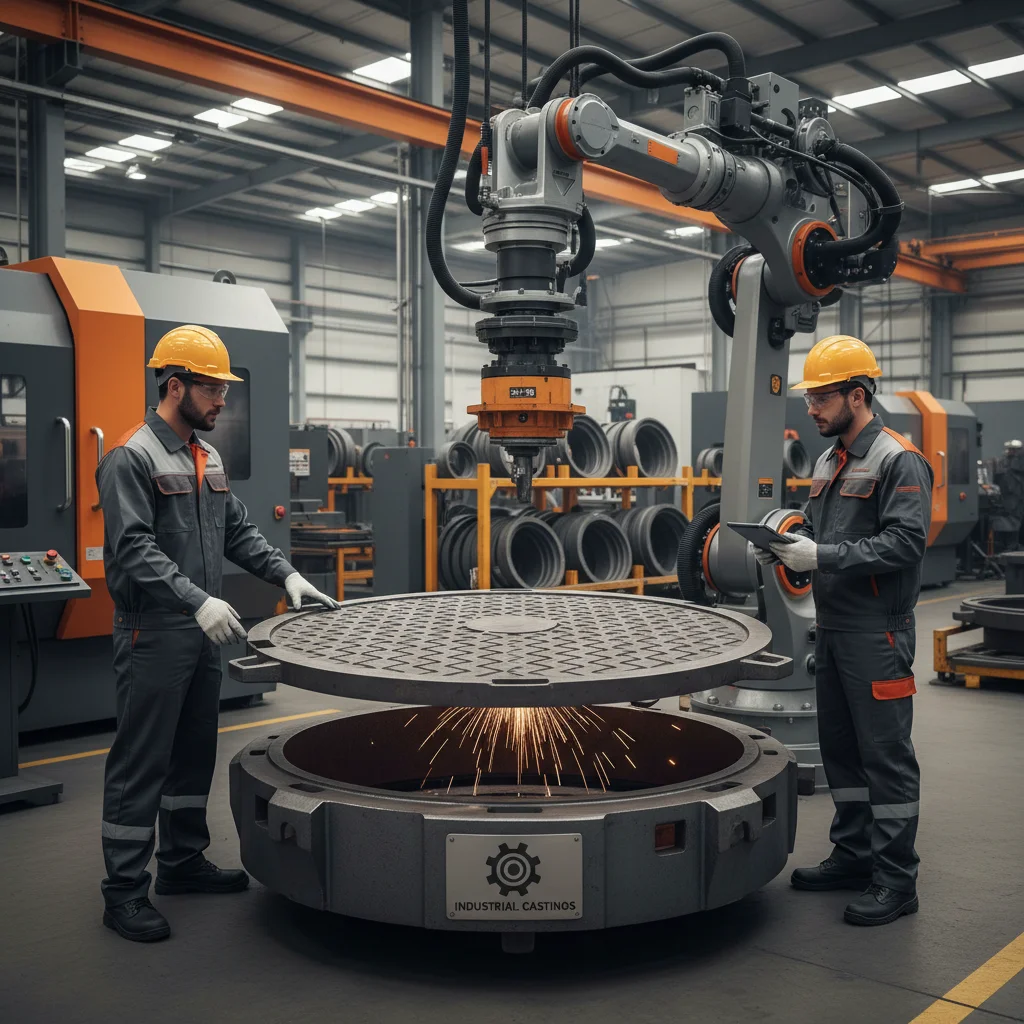
Comprehensive Guide to Selecting and Fitting a Manhole Manufacturer
Choosing the Right Manhole Cover: A Guide to Fitting a Manhole Manufacturer
Selecting the appropriate manhole cover is critical for infrastructure safety and longevity. A reliable fitting a manhole manufacturer ensures durable, secure access to underground utilities. This article will explore the key considerations when sourcing manhole covers, focusing on materials, standards, and the importance of choosing a reputable supplier. We'll delve into the factors influencing the right choice for various applications, from roadways to wastewater treatment facilities. A well-fitted manhole cover protects against accidental entry, damage to infrastructure, and environmental contamination.
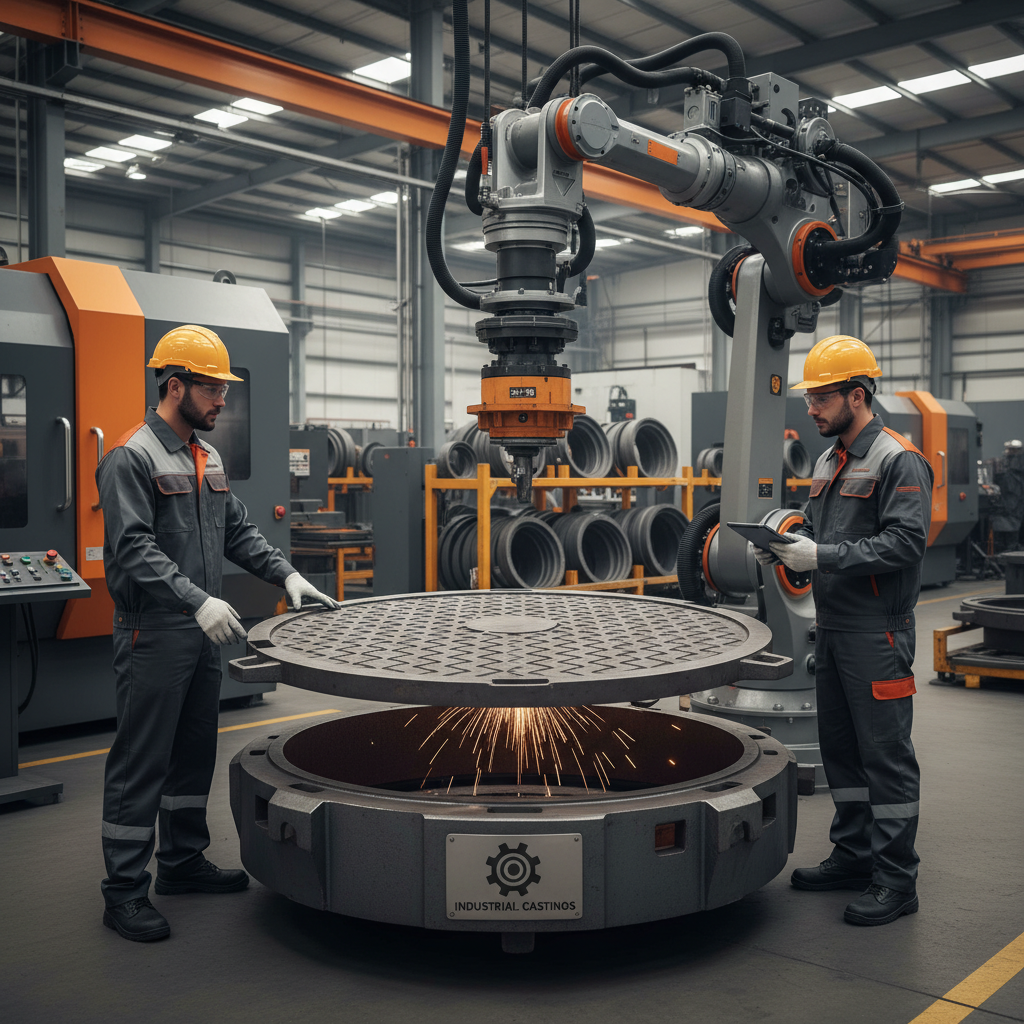
Key Materials Used in Manhole Cover Manufacturing
Manhole covers are constructed from various materials, each offering distinct advantages. Cast iron remains a popular choice due to its strength and durability, though it’s heavy. Ductile iron offers a superior strength-to-weight ratio, making it easier to handle while maintaining robustness. Fiberglass reinforced polymer (FRP) is a lightweight, corrosion-resistant alternative, ideal for challenging environments. The choice depends on the load requirements, environmental conditions, and budget constraints. Understanding the properties of each material is crucial for long-term performance and safety. A competent manhole cover supplier will guide you through these options.
Key Highlights: Choosing the right material impacts longevity, safety, and maintenance costs. Ductile iron strikes a balance between strength and weight, while FRP excels in corrosion resistance.
Understanding Load Ratings and Standards
Manhole covers are designed to withstand specific load ratings, crucial for ensuring public safety. These ratings, typically categorized as A15, B125, C250, D400, and E600 (according to EN 124 standards), denote the maximum load the cover can safely bear. A15 is for pedestrian and cyclist areas, while E600 is for heavy traffic zones. Selecting a cover with the appropriate load rating is paramount. Compliance with international standards like EN 124, ASTM, and others is non-negotiable. A reliable fitting a manhole manufacturer will provide certification documentation for all products.
Load Rating Guide:
• A15: Pedestrian and cyclist areas
• B125: Carriageways and parking areas
• C250: Heavy goods vehicle roads
• D400: Areas with extremely heavy traffic
• E600: Airport runways and docks.
Choosing a Reputable Fitting a Manhole Manufacturer: Key Considerations
Selecting a reputable manufacturer is as crucial as choosing the right material and load rating. Look for companies with a proven track record, ISO 9001 certification, and a commitment to quality control. Experience, engineering expertise, and a responsive customer service team are also essential. Request references and case studies to assess the manufacturer's capabilities. Verify their compliance with relevant industry standards and ensure they offer warranties on their products. A reliable manhole cover manufacturer will prioritize safety, durability, and customer satisfaction.
The Importance of Proper Installation and Maintenance
Even the highest-quality manhole cover requires proper installation and regular maintenance. Ensure the cover is correctly seated and secured to prevent movement or displacement. Inspect covers periodically for signs of corrosion, damage, or wear. Address any issues promptly to avoid potential hazards. Regular cleaning and lubrication of locking mechanisms will extend the cover's lifespan. Following the manufacturer's guidelines for installation and maintenance is essential. Contact a professional for assistance if needed.
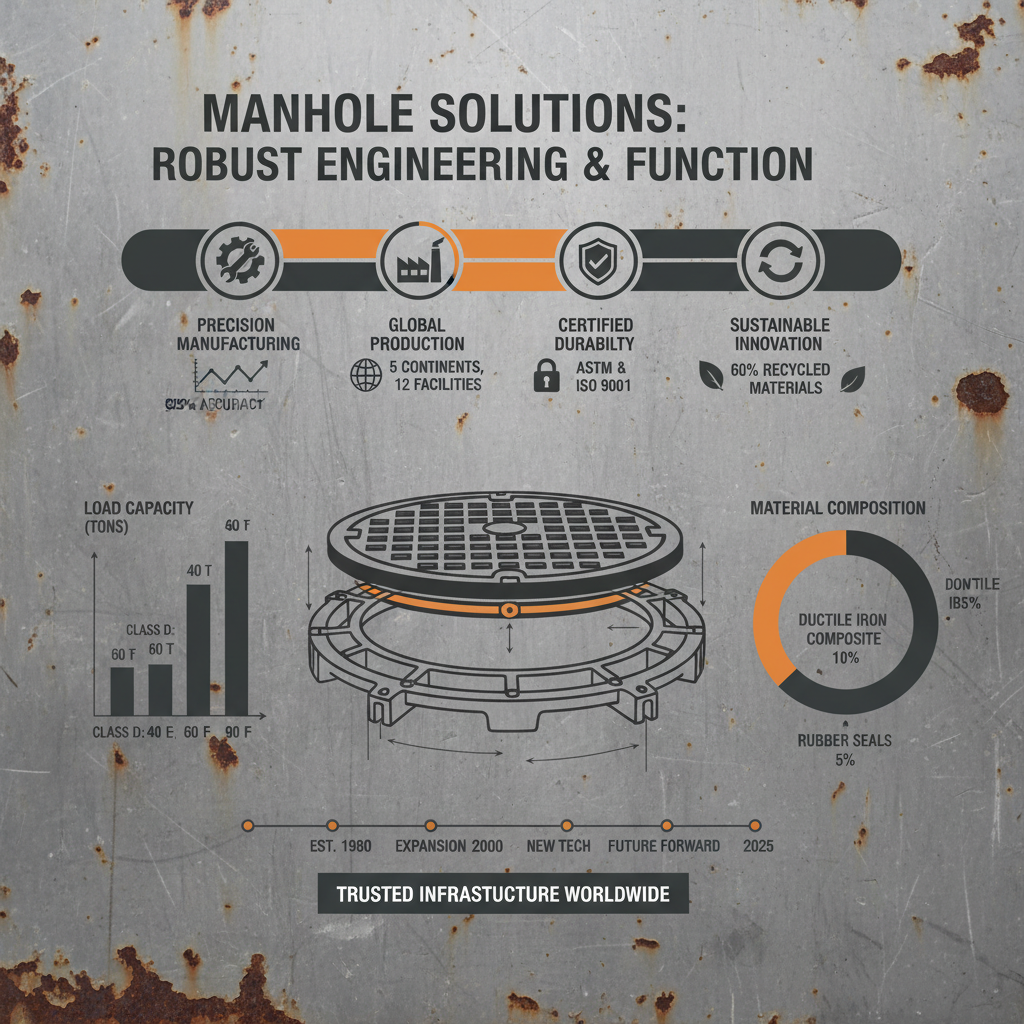
Fitting a Manhole Manufacturer: Product Specifications and Options
When considering a fitting a manhole manufacturer, it's crucial to understand the range of products and customization options available. Covers come in various shapes (round, square, rectangular) and sizes to fit different manhole frames. Locking mechanisms include bolted, recessed, and hinged options. Customization options may include logo embossing, specific color coatings, and specialized designs for unique applications. Here's a quick look at common specifications:
Conclusion: Ensuring Safety and Reliability with Quality Manhole Covers
Choosing the right manhole cover is an investment in public safety and the longevity of your infrastructure. Selecting a reputable fitting a manhole manufacturer, considering the appropriate materials and load ratings, and ensuring proper installation and maintenance are all vital steps. By prioritizing quality and safety, you can minimize risks and ensure a reliable underground infrastructure for years to come.
Frequently Asked Questions (FAQs)
What is the difference between cast iron and ductile iron manhole covers?
While both cast iron and ductile iron are robust materials, ductile iron offers superior strength and impact resistance. This is due to the addition of magnesium during the manufacturing process, which alters the microstructure of the iron. Ductile iron is significantly less brittle than cast iron, making it less prone to cracking and failure under stress. It also has a higher tensile strength, allowing for lighter covers with the same load capacity. For applications requiring high durability and safety, ductile iron is generally the preferred choice.
How often should manhole covers be inspected?
Manhole covers should be inspected at least twice a year, or more frequently in high-traffic areas or corrosive environments. Inspections should include checking for cracks, corrosion, damaged locking mechanisms, and proper seating. Any signs of damage or deterioration should be addressed immediately. Regular inspections can prevent potential hazards and extend the lifespan of the covers.
What are the benefits of using FRP manhole covers?
FRP (Fiberglass Reinforced Polymer) manhole covers offer several advantages, including lightweight construction, excellent corrosion resistance, and non-magnetic properties. They are ideal for environments where corrosion is a concern, such as near saltwater or chemical plants. The lightweight nature of FRP covers makes them easier and safer to handle, reducing the risk of strain injuries. They also eliminate the risk of theft, as they have no scrap metal value.
What should I look for when choosing a locking mechanism for a manhole cover?
The locking mechanism should be secure, reliable, and easy to operate. Bolted locks are common, but recessed or hinged locks offer enhanced security and prevent accidental opening. Consider the environment when choosing a locking mechanism – corrosion-resistant materials are essential in harsh conditions. Ensure the locking mechanism complies with relevant safety standards and is designed to prevent unauthorized access.


