Selecting a reliable heavy duty manhole lids factory is a critical decision for urban planners and industrial engineers who prioritize infrastructure longevity. These high-capacity covers are designed to withstand extreme pressure, ensuring that underground utilities remain accessible while preventing catastrophic collapses in high-traffic zones.
The global demand for robust drainage and access solutions has surged as cities expand and heavy-tonnage logistics become the norm. From ductile iron compositions to reinforced steel frames, the engineering behind these products directly impacts public safety and the operational efficiency of municipal sewage and telecom networks.
Understanding the technical nuances of a professional heavy duty manhole lids factory allows procurement officers to balance cost-efficiency with rigorous safety standards like ISO and EN 124. By focusing on material grade and load-bearing certifications, industries can avoid frequent replacements and minimize maintenance downtime.
Global Importance of Heavy Infrastructure
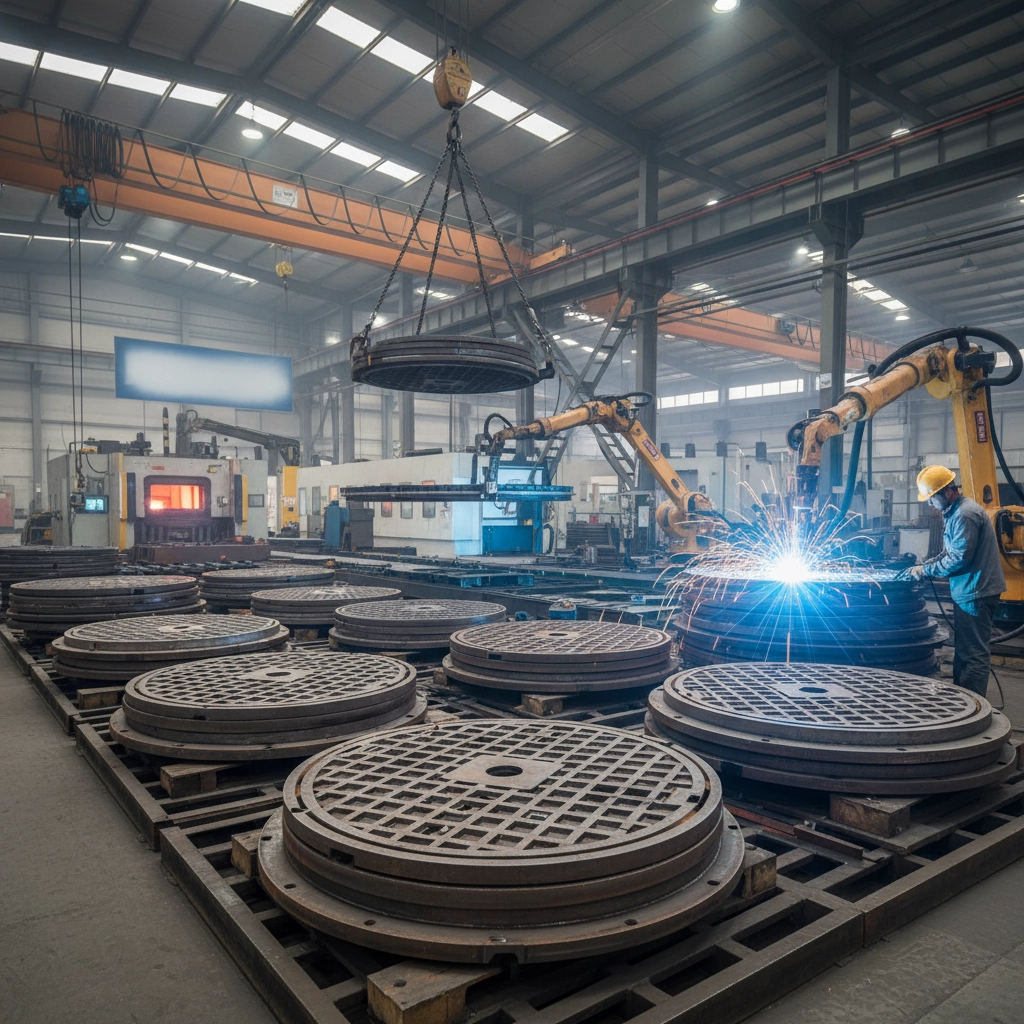
In the context of global urbanization, the role of a heavy duty manhole lids factory extends beyond simple casting. As World Bank reports indicate, upgrading aging urban drainage systems is a priority for developing megacities to prevent flooding and structural failure. The integration of high-strength ductile iron ensures that roads can support the increasing weight of electric freight vehicles and heavy machinery without compromising the integrity of the utility access.
Furthermore, adherence to international standards such as ISO 9001 ensures that these products can be deployed across different continents regardless of local soil conditions or climate extremes. By leveraging advanced metallurgy, a specialized factory can provide solutions that resist corrosion in coastal regions and withstand extreme thermal expansion in desert environments, making them indispensable for global civil engineering.
Defining the Standards of a Heavy Duty Manhole Lids Factory
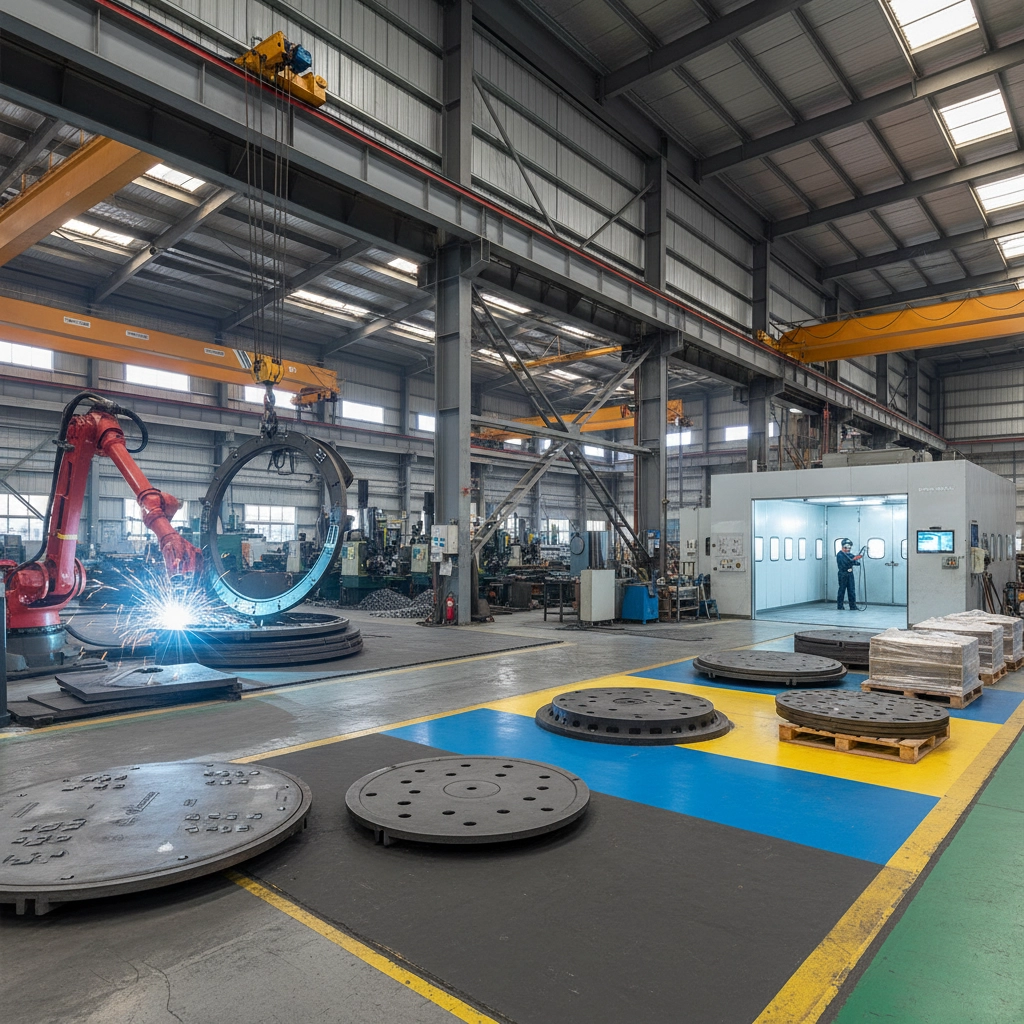
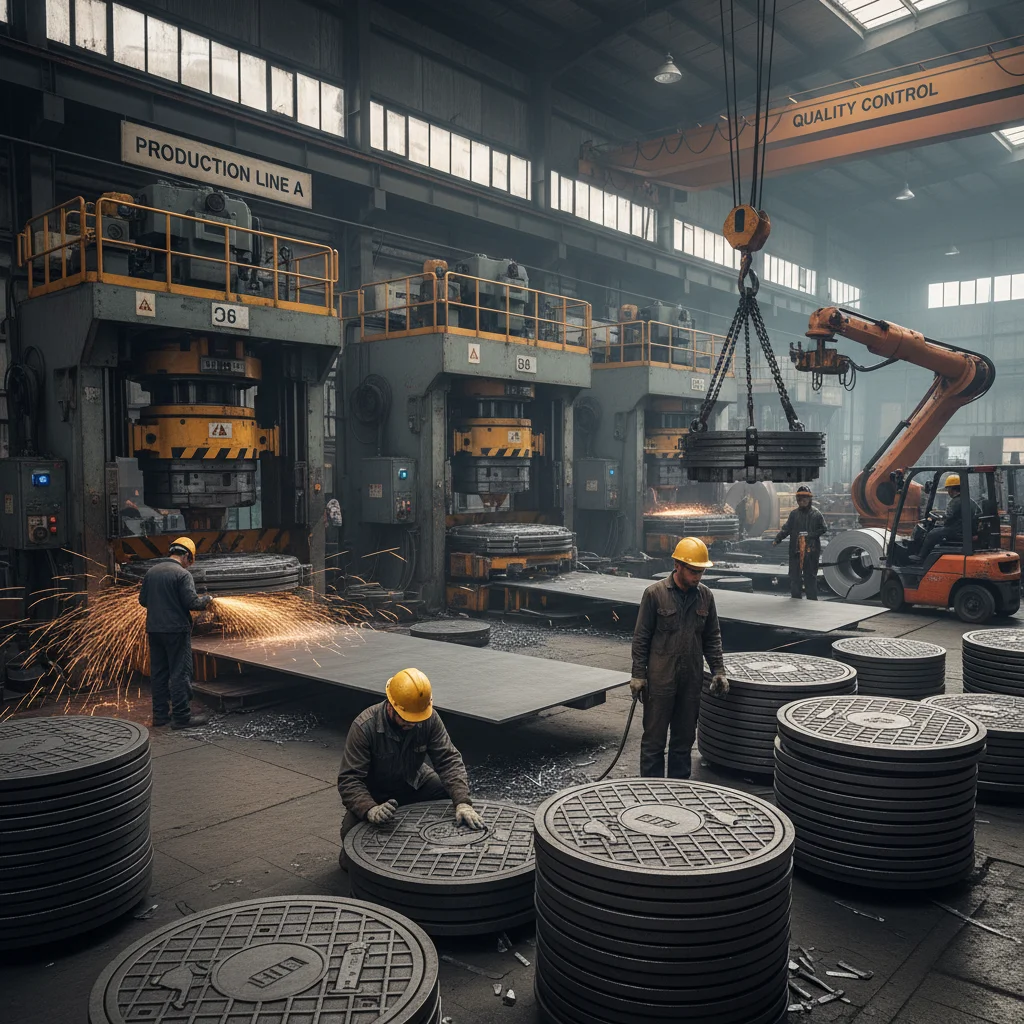
A heavy duty manhole lids factory is essentially a specialized industrial facility focused on the precision casting and machining of high-load access covers. Unlike standard residential covers, "heavy duty" refers to the ability to support loads ranging from 12.5 to 40 tonnes (Classes C250 to F900), making them suitable for highways, airport runways, and industrial ports.
The connection to modern industry lies in the precision of the fit and the quality of the alloy. A professional factory integrates CAD/CAM design with automated molding processes to ensure that every lid seats perfectly in its frame, eliminating the dangerous "clatter" or instability that leads to road accidents and rapid wear and tear.
From a humanitarian perspective, robust manhole covers are a prerequisite for safe sanitation. In post-disaster recovery zones, the rapid deployment of standardized, heavy-duty drainage components helps restore clean water and sewage systems, preventing the spread of waterborne diseases and ensuring the safety of emergency vehicle transit.
Core Components of High-Load Capacity Lids
The primary factor in any heavy duty manhole lids factory is the metallurgical composition. Ductile iron, characterized by its nodular graphite structure, is preferred over grey iron because it offers superior tensile strength and impact resistance, allowing the cover to flex slightly under load rather than cracking.
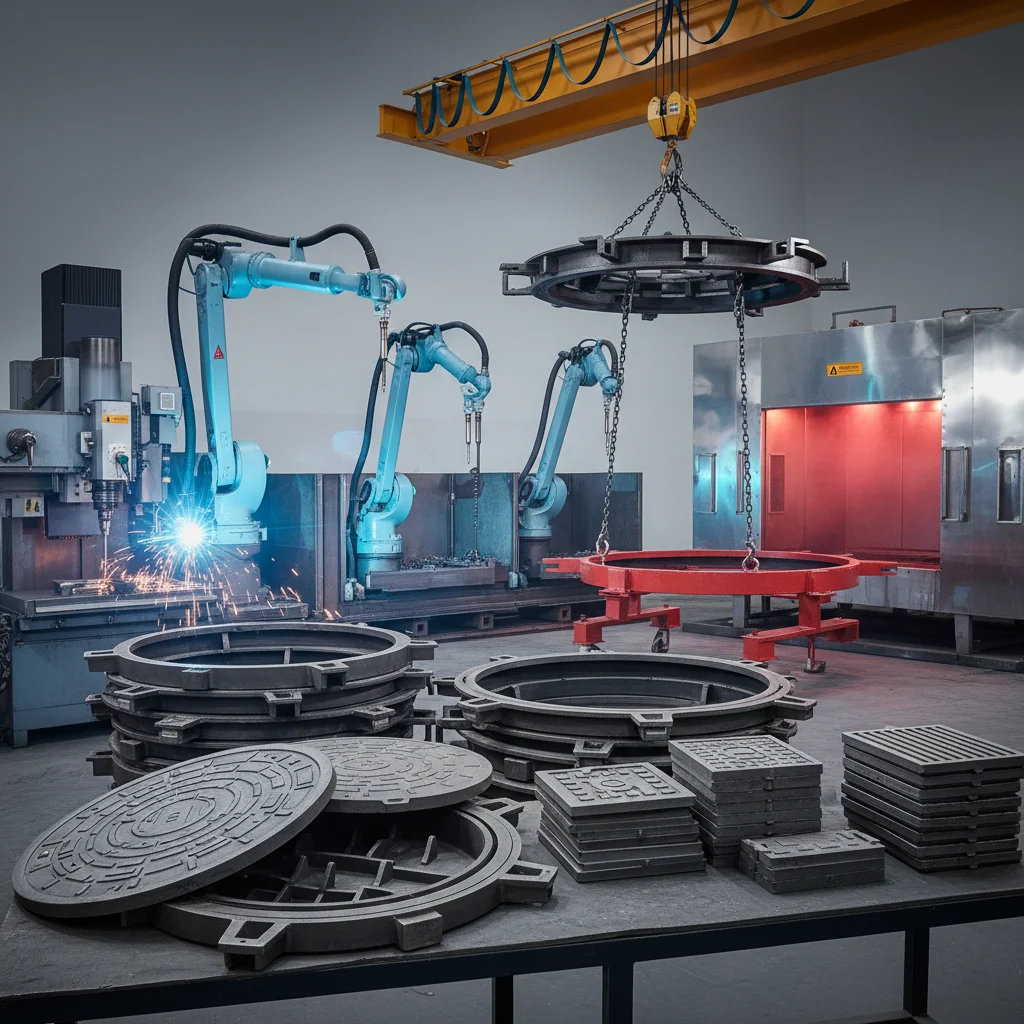
Precision engineering of the seating surface is another critical aspect. A heavy duty manhole lids factory employs CNC milling to ensure that the contact points between the lid and the frame are perfectly aligned, which prevents water seepage into the utility vault and reduces noise pollution in urban residential areas.
Finally, the application of protective coatings, such as bitumen or epoxy resin, ensures long-term durability. This prevents oxidation and chemical corrosion from road salts and industrial runoff, extending the product's lifecycle to several decades and reducing the total cost of ownership for municipal governments.
Comparative Performance Analysis of Materials
When evaluating the output of a heavy duty manhole lids factory, the choice of material dictates the application. Ductile iron remains the gold standard for general heavy traffic, whereas composite materials are gaining traction for specialized corrosive environments. Steel frames are often integrated to provide additional lateral stability in soft-soil regions.
The following analysis compares the effectiveness of different production methods and material choices based on load capacity, durability, and installation speed.
Material Efficiency Ratings for Heavy Duty Manhole Lids Factory
Real-World Applications in Industrial Zones
In heavy industrial zones, such as steel mills or shipping ports, the requirements for a heavy duty manhole lids factory are pushed to the limit. In these environments, covers must withstand not only the static weight of cargo but also the dynamic impact of heavy machinery and frequent temperature fluctuations from industrial heat.
For example, in remote mining operations in Australia or Canada, these lids protect critical telecom and power cables from extreme weather and heavy haulage trucks. By utilizing reinforced steel frame manhole covers, these facilities ensure that their underground infrastructure remains secure and accessible without risking surface collapses.
Long-Term Value and Sustainability Benefits
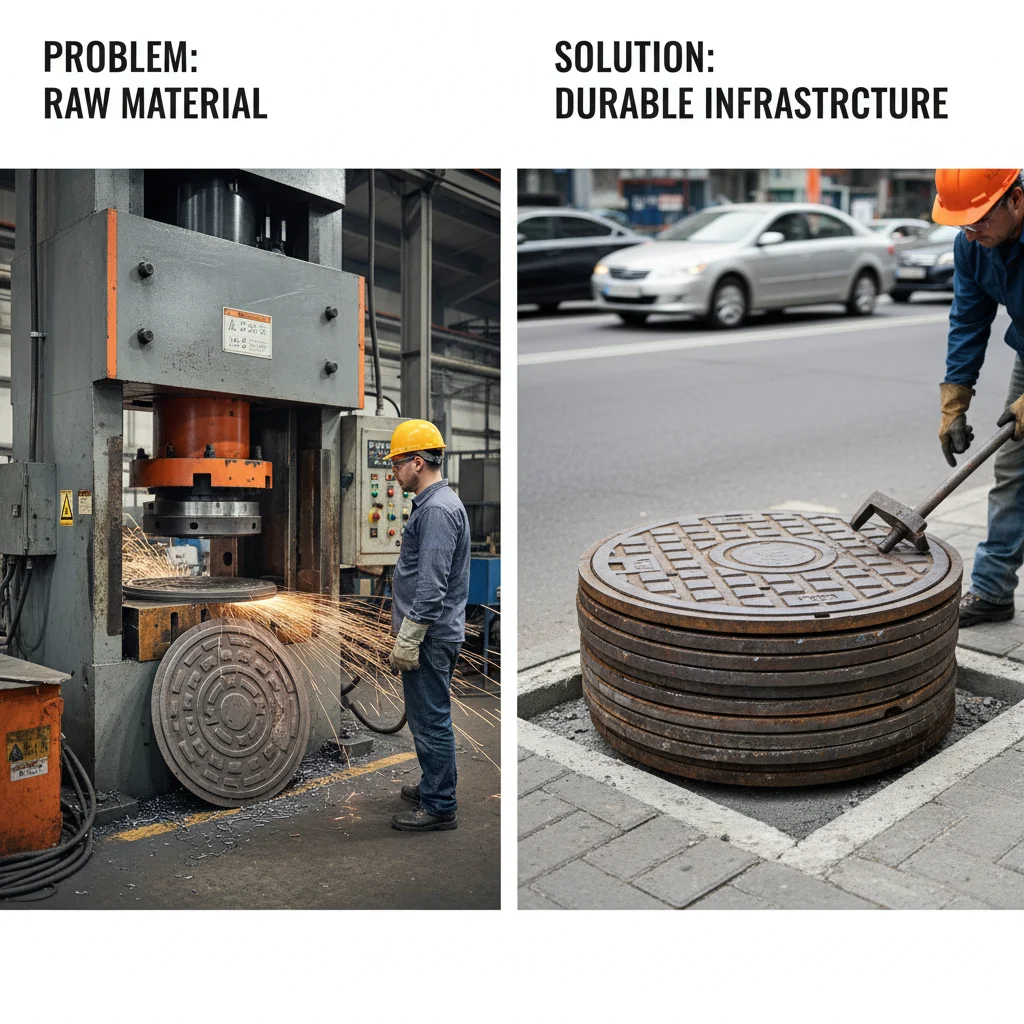
The long-term value of investing in a premium heavy duty manhole lids factory is found in the reduction of lifecycle costs. While a cheaper, lower-grade cover may have a lower initial price, its tendency to crack or warp leads to frequent road closures and emergency repairs, which are exponentially more expensive than the initial procurement.
From a sustainability perspective, ductile iron is highly recyclable. At the end of its service life, these covers can be melted down and repurposed with minimal loss of material quality, aligning with global circular economy goals. This reduces the environmental footprint associated with mining raw ore and smelting new iron.
Moreover, the safety and peace of mind provided by certified high-load covers cannot be quantified in purely financial terms. Ensuring that a manhole cover will not fail under a 40-tonne load protects human lives and prevents the catastrophic loss of utility services, fostering trust between municipal authorities and the citizens they serve.
Future Innovations in Casting Technology
The future of the heavy duty manhole lids factory is being shaped by digital transformation. Smart manhole covers, embedded with IoT sensors, are now being produced to monitor sewage levels, detect hazardous gas leaks, or alert authorities when a cover has been illegally moved. This convergence of metallurgy and electronics turns a passive piece of iron into an active data point for smart city management.
Additionally, 3D printing of sand molds is revolutionizing the casting process, allowing for complex, customized geometries that optimize strength while reducing material weight. This "generative design" approach ensures that the cover is strongest exactly where the stress is highest, reducing waste and energy consumption during the smelting process.
As we move toward greener cities, the integration of low-carbon smelting techniques and the use of recycled scrap metal will become the benchmark for quality. Factories that adopt these sustainable practices will not only comply with stricter environmental regulations but will also provide a superior product that meets the evolving needs of modern urban infrastructure.
Technical Comparison of Heavy Duty Manhole Lid Specifications
|
Load Class (EN 124)
|
Max Load Capacity
|
Primary Application
|
Recommended Material
|
| Class B125 |
12.5 Tonnes |
Footways / Car Parks |
Ductile Iron |
| Class C250 |
25 Tonnes |
Gutter / Road Edges |
Ductile Iron |
| Class D400 |
40 Tonnes |
Main Carriage Roads |
High-Grade Ductile Iron |
| Class E600 |
60 Tonnes |
Industrial Loading Bays |
Cast Steel / Ductile |
| Class F900 |
90 Tonnes |
Airport Runways / Ports |
Reinforced Steel |
| Custom Heavy |
Variable |
Mining / Heavy Plant |
Custom Alloy Steel |
FAQS
A heavy duty manhole lids factory specializes in high-load alloys and precision load-testing. While a general foundry might cast simple shapes, these specialized factories focus on EN 124 and ISO standards, utilizing specific ductile iron grades and CNC machining to ensure the covers can withstand 40+ tonnes without failure, which requires much stricter quality control and metallurgy.
When sourced from a reputable heavy duty manhole lids factory using high-grade ductile iron and protective epoxy coatings, these covers are designed to last 20 to 50 years. The lifespan depends on the environmental factors, such as exposure to saltwater or chemical runoff, but the structural integrity of the cast iron typically remains intact for decades.
Composite materials are excellent for corrosion resistance and weight reduction, but for extreme heavy-duty applications (Class D400 and above), ductile iron from a professional factory is still preferred. Composites can sometimes suffer from deformation under extreme, sustained point loads, whereas ductile iron offers superior rigidity and impact strength.
Yes, most high-end heavy duty manhole lids factories offer customization. This includes bespoke dimensions, specific load-bearing requirements, the integration of locking mechanisms for security, or adding company logos and utility identifiers to the surface for easier maintenance and identification.
Look for certification documents such as the EN 124 certification and ISO 9001. A legitimate heavy duty manhole lids factory will provide load-test reports for their batches and clearly mark the load class (e.g., D400) on the cover itself. Requesting a factory audit or third-party inspection report is also a recommended practice.
Many factories now integrate secure locking systems that require a specialized key for removal. Additionally, using composite materials or specific alloy blends that have lower scrap value compared to pure iron can deter theft, though mechanical locks remain the most effective solution for high-risk areas.
Conclusion
Choosing a professional heavy duty manhole lids factory is an investment in the resilience of urban and industrial infrastructure. By prioritizing high-grade materials like ductile iron, adhering to international load standards, and embracing new technologies like IoT and 3D molding, we can ensure that the veins of our cities—our drainage and utility networks—remain safe, accessible, and durable for generations.
As the world moves toward smarter and more sustainable city planning, the role of precision casting will only grow in importance. We recommend that project managers and municipal engineers focus on lifecycle value rather than initial cost, ensuring that every cover installed is a guarantee of safety and reliability. To explore our range of high-capacity solutions, visit our website: www.manholecovercn.com