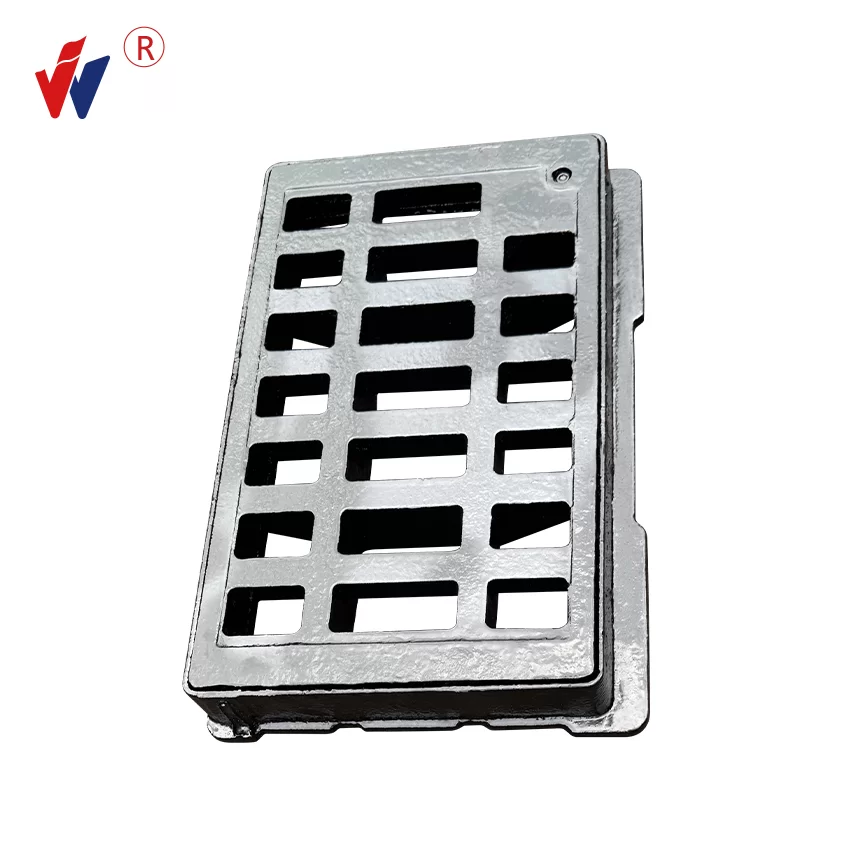

Durable Ductile Iron Sewer Lid Cover Factory Solutions
Selecting a durable urban access solution requires a precise balance between material science and load-bearing specifications. For municipal engineers and infrastructure procurement managers, the challenge lies in finding covers that can withstand extreme traffic pressures while resisting the aggressive chemical environment of subterranean sewage networks. The Ductile Iron Manhole Cover LWRC2001/LWRC2002 is engineered specifically to bridge this gap, offering a high-performance alternative to traditional grey iron.
By combining the elasticity of ductile iron with a specialized bitumen protective layer, these covers provide a secure interface for storm drainage, telecommunications cabling, and sewage systems. Whether deployed in high-traffic metropolitan highways or specialized utility zones, the LWRC series ensures that critical infrastructure remains protected and accessible without compromising the safety of the road surface or the integrity of the network below.

Engineering the Strength of Ductile Iron for Heavy-Duty Urban Infrastructure
The core value of the LWRC2001/LWRC2002 series lies in its metallurgical composition. Unlike standard cast iron, which is prone to brittle fractures under sudden impact or heavy load, these covers utilize premium ductile iron. This material contains spherical graphite, which provides the necessary tensile strength and flexibility to absorb energy and resist cracking under the pressure of heavy vehicle transit.
Precision engineering is applied to the fit and finish of every unit. A tight-fit design is implemented to eliminate the common problem of "clattering" or noise pollution during vehicle passage, which is a frequent complaint in urban residential zones. This stability not only improves the user experience for citizens but also prevents the cover from shifting, which could otherwise lead to premature wear of the surrounding frame and potential safety hazards.
High Tensile Strength: Prevents sudden structural failure under peak loading.
Spherical Graphite Structure: Ensures superior elasticity compared to flake graphite.
Noise Reduction: Precision-machined edges ensure a stable, silent fit.

Advanced Corrosion Protection via Professional Black Bitumen Coating
Environmental degradation is the primary enemy of metal infrastructure. Sewage and stormwater systems expose covers to moisture, road salts, and industrial chemicals that accelerate oxidation. To counter this, the LWRC series is treated with a professional black bitumen painting process. This coating creates a hydrophobic barrier that seals the ductile iron from the elements, significantly extending the operational lifespan of the installation.
This chemical barrier is particularly critical for the D400 load class applications, where covers are exposed to the harshest conditions of main roads and highways. By reducing the rate of corrosion, the bitumen layer lowers the long-term maintenance burden on municipal budgets. Instead of frequent replacements, these covers require only periodic inspections, ensuring that the CAPEX investment translates into long-term value.
Beyond simple protection, the coating provides a uniform finish that integrates seamlessly with asphalt and concrete surfaces. The durability of this layer ensures that the structural integrity of the iron remains intact even in highly acidic or alkaline soil conditions, safeguarding the access points to telecommunications and sewage networks.
Strategic Application Scenarios: From Telecom Cables to Stormwater Networks
The versatility of the LWRC2001/LWRC2002 series allows it to be deployed across various critical utility sectors. In telecommunications, the covers protect sensitive cabling and fiber optics from surface pressure and environmental infiltration, providing secure access for technicians during maintenance cycles. The strength of the ductile iron ensures that heavy machinery can pass over these access points without risking the cabling below.
In stormwater and sewage management, these covers are designed to handle the unique pressures of standing water and rapid flow. The sealing capabilities prevent surface runoff from contaminating the system while ensuring that internal pressures do not displace the lid. The C250 and D400 certifications allow procurement officers to match the product to the specific traffic volume of the installation site, whether it be a parking lot or a primary arterial road.
For construction projects, the ease of installation and maintenance is a key operational advantage. The standardized design allows for rapid deployment across large-scale urban developments, reducing labor costs and ensuring that infrastructure is commissioned on schedule. This reliability makes them a preferred choice for global municipal projects requiring stringent safety standards.
Performance Comparison: Standard Cast Iron vs. Ductile Iron LWRC
| Metric | Standard Cast Iron | Ductile Iron (LWRC) | Infrastructure Impact |
|---|---|---|---|
| Load Capacity | Moderate | High (D400 Certified) | Lower Replacement Rate |
| Corrosion Resistance | Short-Medium Life | Long (Bitumen Coated) | Reduced Maintenance |
| Impact Response | Brittle/Prone to Crack | High Elasticity | Increased Public Safety |
| Installation Fit | Standard Fit | Precision Tight-Fit | Lower Labor Costs |
| Estimated Lifecycle | 5-10 Years | 20+ Years | Maximized CAPEX Value |
Evaluating Supplier Capabilities for Large-Scale Infrastructure Bids
When sourcing from a sewer lid cover factory, procurement managers must look beyond the unit price and evaluate the total supply chain reliability. The ability to maintain real-time inventory control and optimize logistics is essential for large-scale municipal bids where delivery delays can lead to significant project penalties. A trusted partner provides end-to-end visibility, from the initial casting process to final shipment logistics.
Quality assurance is another non-negotiable factor. Strict adherence to metallurgy standards during the casting phase ensures that the load-bearing properties are consistent across thousands of units. A professional supplier will offer flexible management for custom specifications, allowing for specialized sizing or coating requirements that meet the unique regulatory standards of different countries and regions.
Furthermore, technical support in the selection of loading classes—such as choosing between C250 for curbsides and D400 for highways—is vital to prevent over-engineering (which wastes budget) or under-engineering (which risks failure). Engineering consultation ensures that the product is perfectly matched to the operational environment, maximizing both safety and cost-efficiency.
Future Directions in Green and Smart Urban Access Solutions
The trajectory of urban infrastructure is moving toward "smart cities," where manhole covers are no longer passive pieces of metal but integrated components of a digital network. The integration of sensors for leak detection, gas monitoring, and traffic flow analysis is becoming a priority. The LWRC series provides a robust physical foundation that can be adapted to house these smart technologies without compromising structural strength.
Sustainability in manufacturing is also driving innovation. Lean operations and the use of recycled materials in the casting process are reducing the carbon footprint of infrastructure production. By increasing the lifespan of products to 20+ years, the need for frequent replacement is diminished, contributing to a more sustainable urban lifecycle and reducing the amount of waste generated by infrastructure maintenance.
As global urbanization accelerates, the demand for high-standard, durable access solutions will continue to grow. The focus will shift toward products that offer the highest possible ROI through a combination of extreme durability, low maintenance, and the ability to integrate with future smart-city frameworks, ensuring that the cities of tomorrow are safer and more efficient.
Infrastructure Technical FAQ
What is the difference between C250 and D400 load classes?
C250 is generally suitable for curbside and parking areas, while D400 is designed for heavy-duty applications such as main roads and highways with higher traffic loads.
Why is bitumen painting used for these manhole covers?
Bitumen painting provides a waterproof and anti-corrosive layer that protects the ductile iron from moisture, salts, and chemicals found in sewage and storm systems.
Can these covers be used for telecommunications systems?
Yes, the LWRC2001/LWRC2002 series is specifically engineered to protect telecommunications cables and provide secure access for maintenance.
How does ductile iron compare to grey iron in metal products?
Ductile iron contains spherical graphite, which gives it significantly higher tensile strength and flexibility compared to the flake graphite found in grey iron.
Are these products suitable for storm drainage systems?
Absolutely. They are designed to withstand the pressure of standing water and the flow of storm drainage without shifting or failing.
What maintenance is required for bitumen-coated covers?
Very little maintenance is required. Periodic inspection for surface wear is recommended, and touch-up bitumen coating can be applied if the surface is mechanically damaged.
Technical References
Ready to upgrade your infrastructure with premium ductile iron solutions? Contact our engineering team today for customized sizing and loading class consultation to ensure your project meets the highest safety standards.
Related Infrastructure Solutions