Selecting a reliable man hole cover factory is a critical decision for urban planners, civil engineers, and industrial facility managers. These components are not merely lids for underground access; they are essential safety interfaces that protect the public and the integrity of critical infrastructure, including sewage, electrical, and telecommunications networks.
Across the globe, the demand for high-performance access solutions is rising as cities transition toward "smart city" frameworks. A professional man hole cover factory ensures that every product meets stringent load-bearing standards, preventing catastrophic failures in high-traffic areas and reducing long-term maintenance costs for municipal governments.
Understanding the nuances of material science—from ductile iron to composite polymers—allows stakeholders to optimize their infrastructure for durability and safety. By partnering with an experienced man hole cover factory, organizations can secure products that balance cost-efficiency with the rigorous demands of modern environmental and industrial stressors.
Global Industry Context of Access Solutions
The global infrastructure market is currently undergoing a massive renovation phase, with a renewed focus on the longevity of subterranean systems. According to ISO standards for casting and load-bearing, the precision offered by a modern man hole cover factory is no longer optional but a requirement for safety compliance. As urbanization accelerates in Southeast Asia and Africa, the need for scalable, durable drainage and access covers has reached an all-time high.
One of the primary challenges facing modern cities is the degradation of old cast iron covers, which often crack under the weight of increasingly heavy electric vehicles (EVs). This shift in traffic weight necessitates a transition toward ductile iron and advanced composites produced by a specialized man hole cover factory capable of meeting Class D400 or E600 load ratings.
Defining the Role of a Man Hole Cover Factory
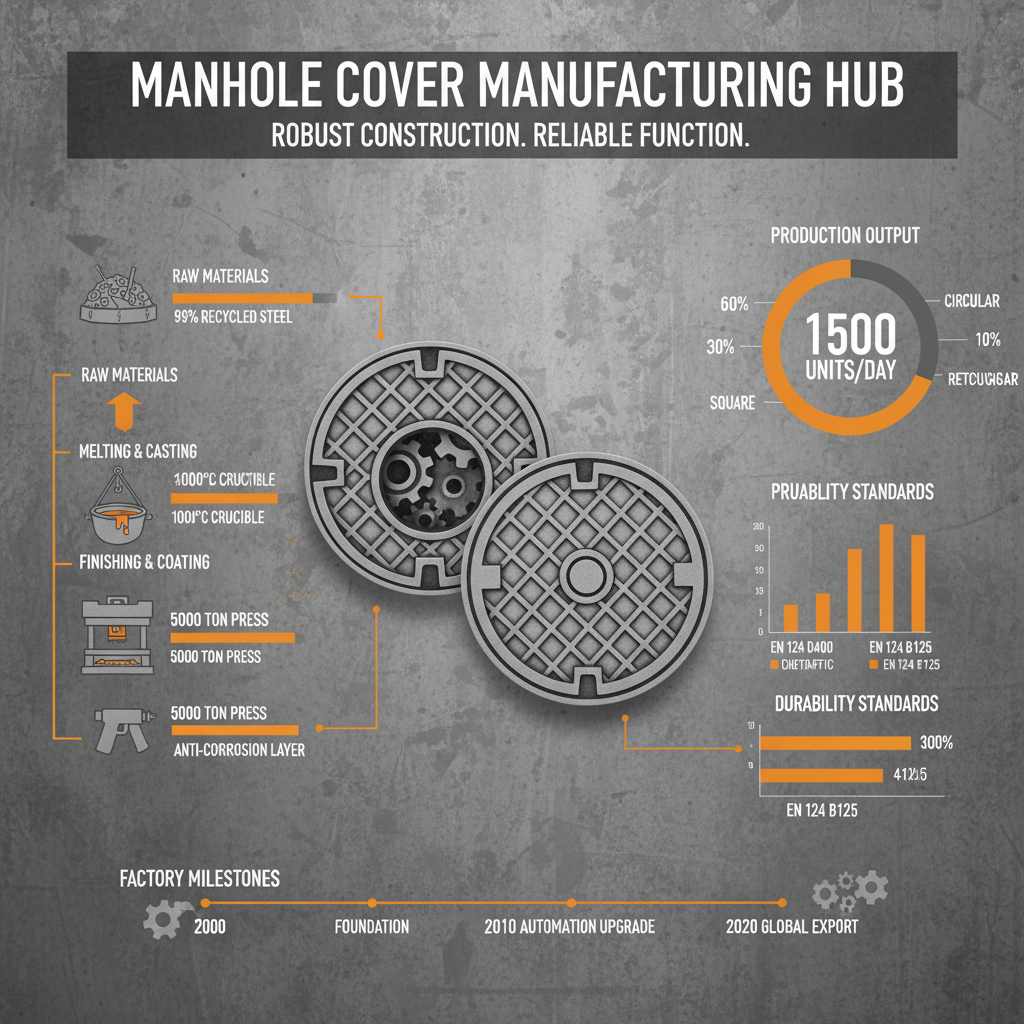
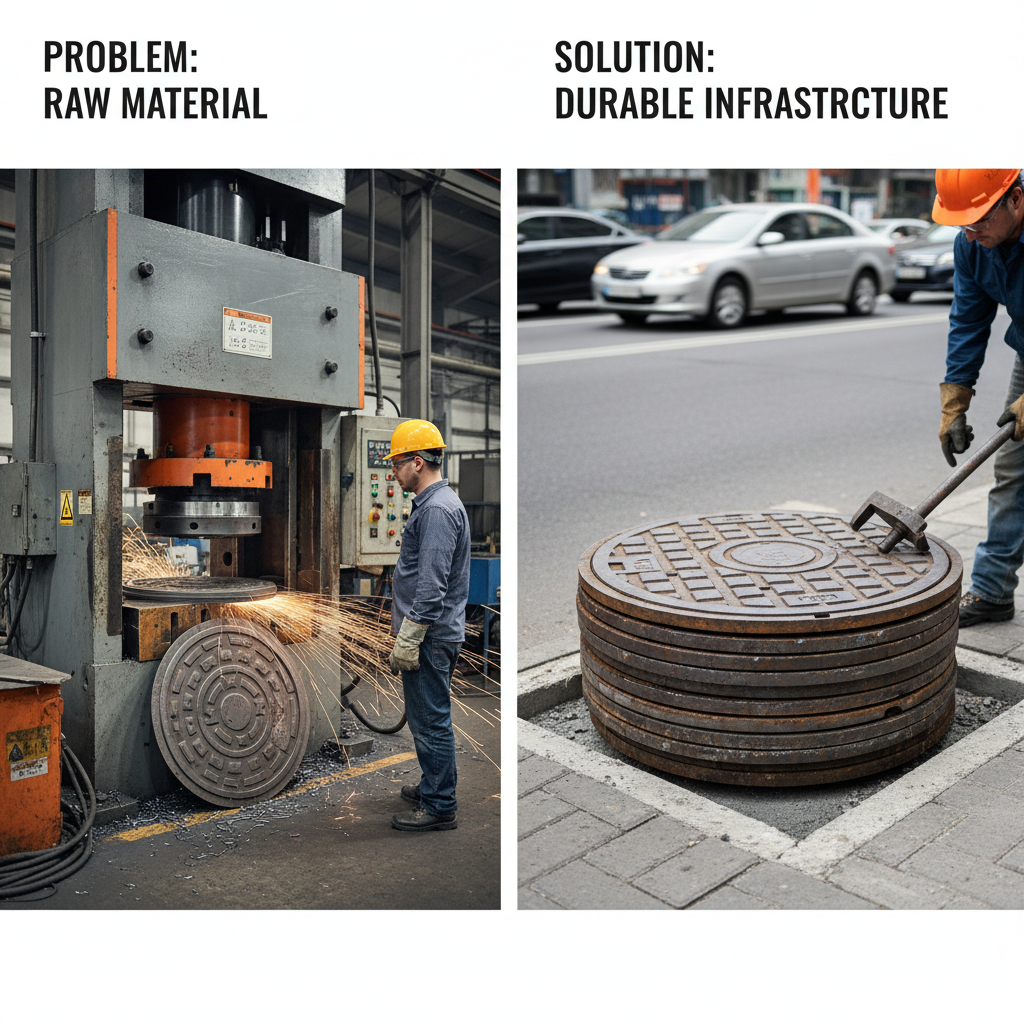
At its core, a man hole cover factory is a specialized manufacturing facility that blends metallurgy with civil engineering to produce secure access points for underground utilities. These factories transform raw iron, steel, or polymers into precision-engineered components like Drainage Gratings, Ductile Iron Manhole Covers, and Surface Boxes, ensuring that the transition between the road surface and the utility shaft is seamless and secure.
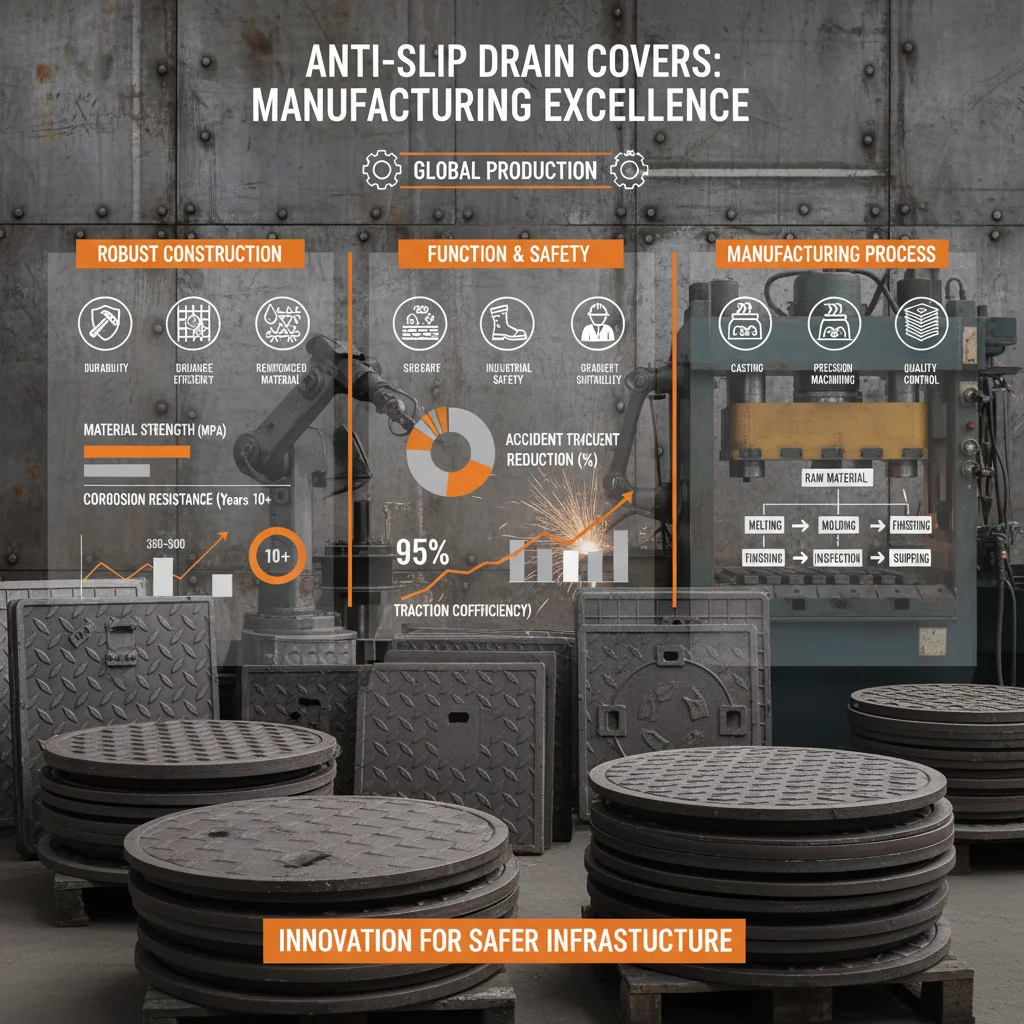
Beyond mere casting, these facilities serve as hubs for quality control and innovation. A high-tier man hole cover factory utilizes CNC machining and automated molding processes to eliminate voids and impurities in the metal, which prevents structural failure over decades of use. This ensures that the covers can withstand extreme weather conditions and chemical corrosion from sewer gases.
In the broader industrial context, the work of a man hole cover factory is intrinsically linked to humanitarian needs—specifically the provision of clean water and sanitation. By providing leak-proof and secure covers, these factories help prevent surface contaminants from entering the water supply and stop unauthorized access to dangerous utility networks, thereby safeguarding public health.
Core Engineering Factors for Quality Covers
Durability is the primary metric for any product leaving a man hole cover factory. This is achieved through the careful selection of materials, such as ductile iron, which offers superior tensile strength compared to traditional grey iron. This material flexibility prevents the cover from shattering under sudden impact loads.
Scalability and standardization are equally vital. A professional man hole cover factory adheres to international standards (like EN 124), ensuring that a cover produced in one facility can be seamlessly integrated into existing infrastructure worldwide. This consistency allows for rapid replacement and maintenance across vast municipal grids.
Cost-efficiency is not about using cheaper materials, but about optimizing the lifecycle cost. A man hole cover factory that focuses on anti-corrosion coatings and precision fits reduces the frequency of replacements, ultimately saving taxpayers and private developers millions in long-term infrastructure upkeep.
Global Applications and Deployment Cases
The application of products from a man hole cover factory spans diverse environments, from high-density urban centers to remote industrial zones. In metropolitan areas, Ductile Iron Manhole Covers are deployed in heavy-traffic intersections to support constant axle loads, while Telecom Manhole Covers are used to protect the fiber optic nerves of the city from moisture and debris.
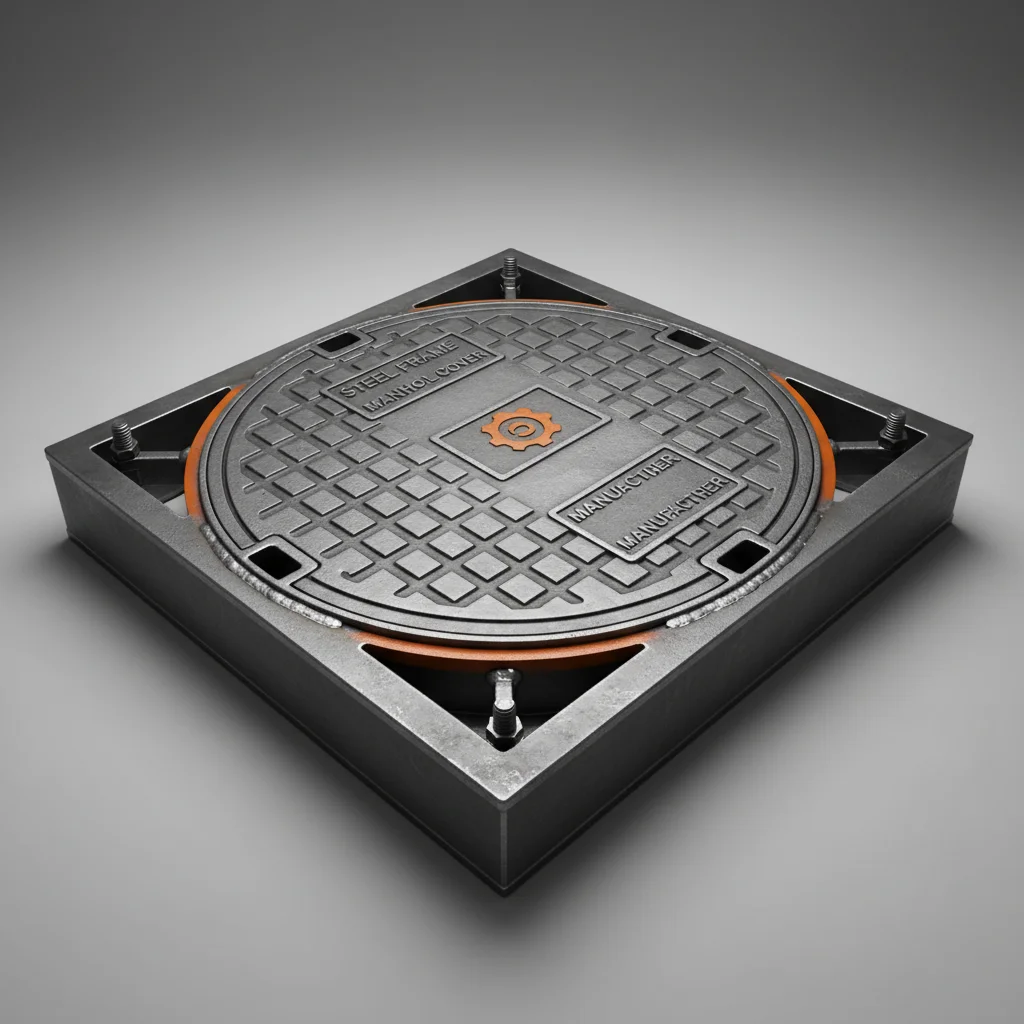
In specialized contexts, such as chemical processing plants or coastal regions, a man hole cover factory provides reinforced Steel Frame Manhole Covers with specialized epoxy coatings to resist saline air and acidic runoff. For example, in post-disaster relief operations in flood-prone regions, the deployment of high-capacity Drainage Gratings is essential to prevent street flooding and ensure the rapid evacuation of stormwater.
Efficiency Ratings of Man Hole Cover Factory Production Methods
Long-Term Value and Safety Advantages
The tangible benefits of sourcing from a certified man hole cover factory go beyond the physical product. There is a profound emotional and logical angle to this: peace of mind. When a city knows its covers are engineered to the highest safety standards, it eliminates the risk of "sinkhole" accidents and pedestrian injuries, fostering a sense of trust and dignity in public spaces.
Sustainability is another key value driver. Modern factories are increasingly adopting "green casting" techniques, recycling scrap metal and reducing carbon emissions during the smelting process. This transition ensures that the essential infrastructure of today does not come at the expense of the environment tomorrow, providing a reliable and eco-friendly foundation for urban growth.
Future Trends in Drainage Infrastructure
The industry is moving toward the "Digital Manhole," where a man hole cover factory integrates IoT sensors into the casting. These sensors can monitor gas levels, water flow, and unauthorized opening in real-time, alerting municipal centers to potential leaks or security breaches before they become crises.
Material science is also evolving. We are seeing a shift toward advanced hybrid composites that offer the strength of steel but are completely immune to corrosion and theft (since they have no scrap metal value). This innovation reduces the operational burden on cities that struggle with the theft of traditional iron covers.
Automation and AI are optimizing the production line within the man hole cover factory. By using AI to predict mold wear and tear, factories can maintain micron-level precision across thousands of units, ensuring that every Roof Drainage System Product fits perfectly, preventing leaks that could damage building foundations.
Overcoming Industry Challenges and Limitations
One of the most persistent challenges is the balance between weight and strength. Heavy covers are durable but difficult to lift for maintenance workers. To solve this, a forward-thinking man hole cover factory develops lightweight ductile iron alloys that maintain a high load rating while reducing the physical strain on labor forces.
Another limitation is the environmental impact of traditional foundries. The solution lies in the adoption of electric induction furnaces and closed-loop water cooling systems. By upgrading the factory infrastructure, manufacturers can meet stringent ESG (Environmental, Social, and Governance) criteria while improving the purity of the metal.
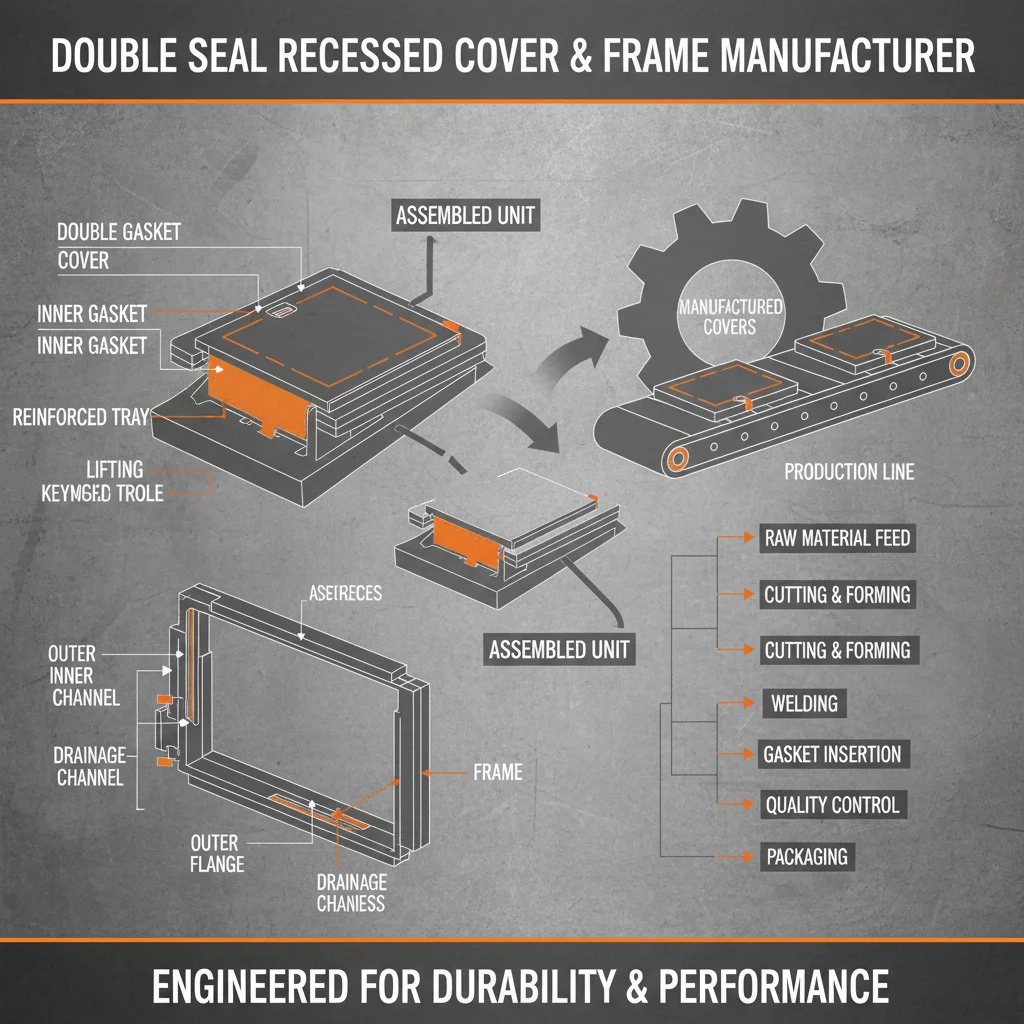
Finally, the issue of "rattling" covers—which create noise pollution in residential areas—is being addressed through precision-milled seating edges and elastomeric gaskets. An expert man hole cover factory now provides customized sealing solutions that eliminate noise and prevent the ingress of surface water into sensitive electrical vaults.
Comparative Analysis of Material Performance in Man Hole Cover Manufacturing
| Material Type |
Load Capacity |
Corrosion Resistance |
Service Life (Years) |
| Grey Cast Iron |
Moderate |
Low |
15-20 |
| Ductile Iron |
Very High |
Moderate |
40-50 |
| Composite Polymer |
High |
Excellent |
30-40 |
| Galvanized Steel |
High |
Moderate |
25-30 |
| Stainless Steel |
Moderate |
Maximum |
60+ |
| Reinforced Concrete |
Moderate |
Low |
20-25 |
FAQS
You should base your choice on the expected traffic. For residential sidewalks, Class A15 is sufficient. For car parks and light traffic, Class B125 is recommended. For main roads and highways, a man hole cover factory will suggest Class D400 or E600 to ensure the cover can withstand heavy axle loads without fracturing.
Yes, absolutely. Ductile iron contains magnesium, which changes the graphite structure from flakes to nodules. This allows the product from a man hole cover factory to bend slightly under pressure rather than snapping, making it far safer for high-traffic urban environments.
Most professional factories offer customization. By altering the mold design, they can cast specific municipal logos, utility names (e.g., "WATER" or "TELECOM"), or warning text directly into the metal, ensuring clear identification for maintenance crews.
Composite covers produced by a modern man hole cover factory have almost no resale value as scrap metal. This makes them an excellent choice for areas where metal theft is a recurring problem, eliminating the cost of frequent replacements.
Standard sizes usually ship within 2-4 weeks. However, custom-engineered solutions involving new molds can take 6-10 weeks. It is always advisable to plan your infrastructure project timeline around the factory's casting and cooling cycles.
Yes, many factories now use recycled iron and sustainable binding agents for composite covers. By sourcing from a man hole cover factory that uses electric furnaces, you can significantly reduce the embodied carbon of your project.
Conclusion
In summary, the selection of a high-quality man hole cover factory is a strategic investment in urban safety and infrastructure longevity. From the precision of ductile iron casting to the innovation of IoT-enabled "smart" covers, the right manufacturing partner ensures that essential utilities remain accessible yet secure, reducing long-term maintenance costs and preventing public hazards.
Looking forward, the integration of sustainable materials and digital monitoring will redefine how we manage subterranean access. We encourage city planners and engineers to prioritize certified quality standards over short-term cost savings to build resilient cities. For premium access solutions, visit our website: www.manholecovercn.com