
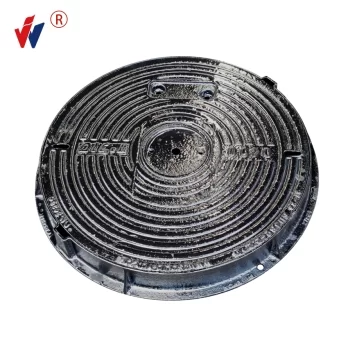
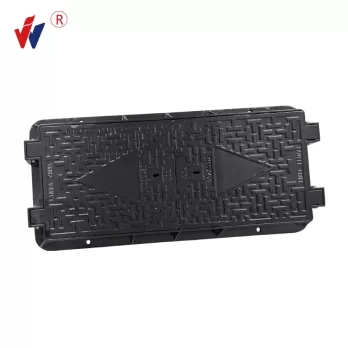
background

Advanced Urban Infrastructure Solutions with heavy duty manhole lids in Bolivia

Providing high-strength, corrosion-resistant metal closures designed for the diverse terrains and climatic challenges of South America's highland and lowland regions.

Advanced Urban Infrastructure Solutions with heavy duty manhole lids in Bolivia

Specialized engineering for the Bolivian metal products sector, focusing on durability and precision for critical sewage and utility access points.

The State of Metal Utility Closures in Bolivia

Analyzing the intersection of geographical volatility and infrastructure needs.

Bolivia's unique geography, spanning from the high Altiplano to the tropical lowlands, places extreme stress on urban infrastructure. In cities like La Paz and El Alto, the intense UV radiation and drastic temperature fluctuations lead to rapid expansion and contraction of metal components, making the selection of a high-quality sewer cover lid critical for safety.

Economic shifts toward urban modernization have increased the demand for industrial-grade metal fabrication. However, many existing systems suffer from outdated designs that cannot withstand the increasing load of heavy transport vehicles on municipal roads, necessitating a transition toward more robust materials.

Furthermore, the humid environments in the Oriente region accelerate oxidation and corrosion. This atmospheric condition makes the implementation of a double seal man hole cover essential to prevent groundwater infiltration and the escape of hazardous gases into residential areas.
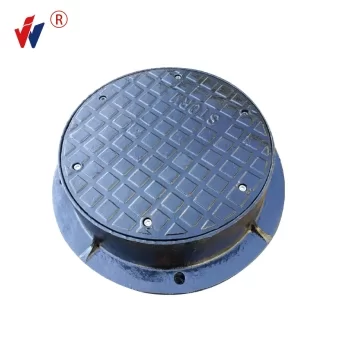
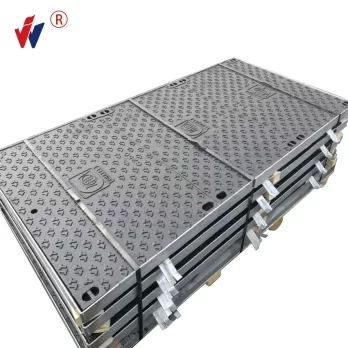
Evolution of Metal Fabrication for Utility Access

From traditional cast iron to high-performance alloy engineering.

Market Development History

In the early 20th century, Bolivia relied heavily on traditional sand-casting methods, producing basic iron covers that lacked standardization. These early iterations were prone to cracking under heavy loads and offered no sealing capabilities against the elements.

Between 1990 and 2010, the industry shifted toward ductile iron and standardized sizing. This era introduced the concept of man hole cover replacement programs across major cities to update failing colonial-era drainage systems with modular metal products.

Since 2015, the focus has moved toward precision engineering. The integration of CNC machining and advanced polymer seals has allowed for the creation of airtight systems that meet international safety standards, moving away from simple "weighted lids" to engineered safety components.

Future Development Trends

Smart Material Integration

The next 3-5 years will see a rise in composite-metal hybrids that offer the strength of steel with the corrosion resistance of advanced polymers, reducing maintenance cycles in humid Bolivian climates.

IoT Monitoring Systems

Following global search trends for "smart cities," we anticipate the integration of sensors within lids to monitor gas levels and unauthorized access in real-time.

Eco-Friendly Casting Processes

Shift towards "Green Foundry" practices, reducing the carbon footprint of metal production to align with Bolivia's environmental protection goals for the Amazon basin.

Industry Trends & Future Outlook

Strategic forecasting for the metal products manufacturing sector in the Andean region.

Ultra-High Load Capacity
Development of reinforced alloys specifically for Bolivia's mining transport routes.
Hermetic Sealing Tech
Advancing double-seal mechanisms to protect utility vaults from torrential Andean rains.
Anti-Theft Locking
Implementing secure, non-removable locking systems to prevent metal theft in urban areas.
Rapid Installation
Simplifying the process of installing manhole cover units for faster road recovery.

Industry Outlook

The Bolivian market is shifting toward a lifecycle-cost analysis rather than the lowest initial purchase price. Municipalities are now prioritizing products that offer a 20+ year lifespan, reducing the frequency of costly replacements.

As Bolivia integrates further into South American trade blocs, the adoption of international ISO and ASTM standards for metal products will become mandatory, driving local manufacturers toward higher precision and quality control.

Localized Application Scenarios in Bolivia

Practical implementations across the diverse Bolivian landscape.

01. High-Altitude Urban Drainage (La Paz)

Utilizing reinforced alloys to handle the steep inclines and high-pressure water flow characteristic of La Paz's drainage networks during the rainy season.

02. Industrial Mining Zones (Potosí)

Deploying extreme-weight bearing lids to support the constant transit of heavy mining machinery and ore transport trucks.

03. Tropical Humidity Control (Santa Cruz)

Application of specialized corrosion-resistant coatings and double seal man hole cover units to prevent moisture seepage in lowland rainforest climates.

04. Municipal Road Modernization ( Cochabamba)

Executing systematic man hole cover replacement to upgrade outdated infrastructure to meet modern traffic volume standards.

05. Public Park & Pedestrian Safety

Installing flush-fit, anti-slip covers in tourist areas to ensure pedestrian safety while maintaining easy access for maintenance crews.

Brand Story

Global Development Journey of Shijiazhuang Juwei Technology Co., Ltd.

Foundation & Precision

Started with a vision to eliminate infrastructure failure, focusing on the fundamental physics of metal stress and load distribution.

Technological Breakthrough

Developed proprietary sealing technologies that solved the industry-wide problem of odor leakage and groundwater contamination.

Global Expansion

Expanded operations into South America, adapting engineering specifications to meet the rigorous demands of the Bolivian market.

Certification & Standard

Achieved international quality certifications, ensuring every product delivered is a benchmark for safety and durability.

The Future Mission

Committed to building "Zero-Failure" urban environments through continuous innovation in metallurgy and smart sensing.

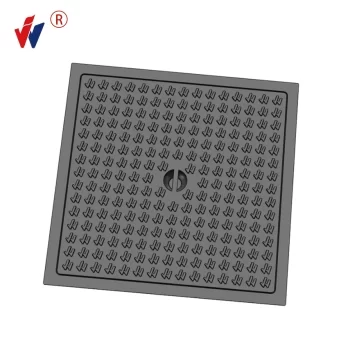
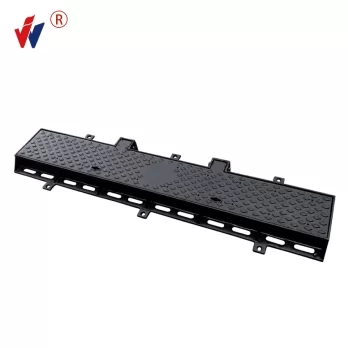
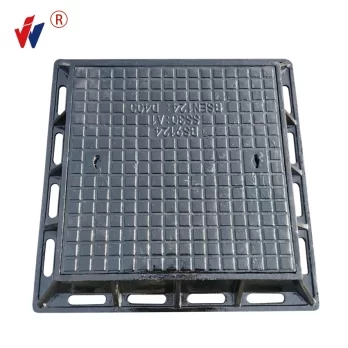
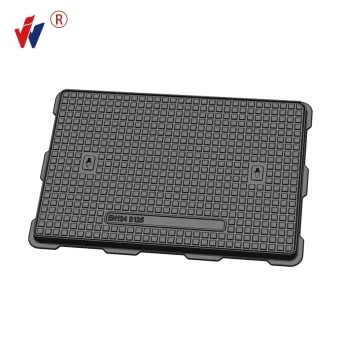
Comprehensive Metal Access Portfolio for Bolivia

A complete range of solutions from light-duty residential to extreme-duty industrial lids.

Bolivian Infrastructure FAQs

Expert answers to common technical questions regarding metal closures.

How do I choose the right load class for heavy duty manhole lids in mining areas?

For mining zones, we recommend Class D400 or F900, which are specifically designed for areas with high heavy-vehicle traffic, ensuring the lid does not deform under extreme pressure.

What is the benefit of a double seal man hole cover in humid regions?

The double seal prevents the ingress of surface water and the egress of sewer gases, which is vital in the humid lowlands of Bolivia to prevent pipe corrosion and maintain hygiene.

What are the best practices for installing manhole cover units on asphalt roads?

Proper installation requires a reinforced concrete bedding layer to distribute the load evenly, preventing the lid from sinking or shifting over time due to traffic.

When should I consider a professional man hole cover replacement?

Replacement is necessary when you observe structural cracks, significant warping, or if the lid no longer sits flush with the road surface, posing a risk to vehicles.

Can a standard sewer cover lid withstand the temperature swings of the Altiplano?

Standard iron may crack. We recommend ductile iron with specific additives that allow for thermal expansion and contraction without compromising structural integrity.

How long does the typical installation process take for industrial lids?

Depending on the road preparation, a standard replacement takes 4-8 hours, including the setting of the frame and the final asphalt patching.

Ready to Secure Your Infrastructure?

Contact our engineering team for customized metal product solutions tailored specifically for the requirements of Bolivia.

Contact Us Now

If you are interested in our products, you can choose to leave your information here, and we will be in touch with you shortly.