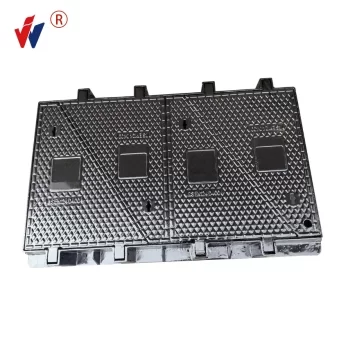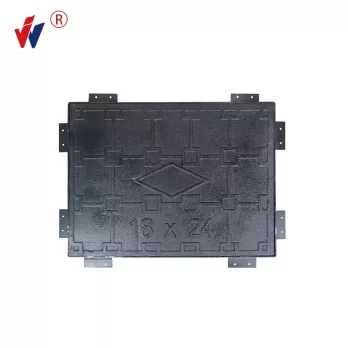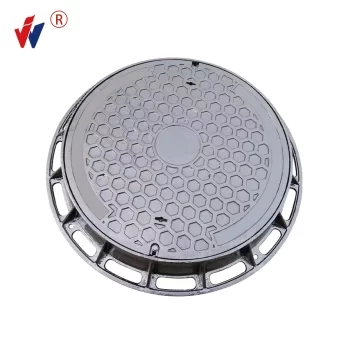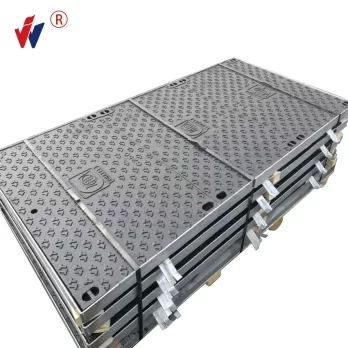

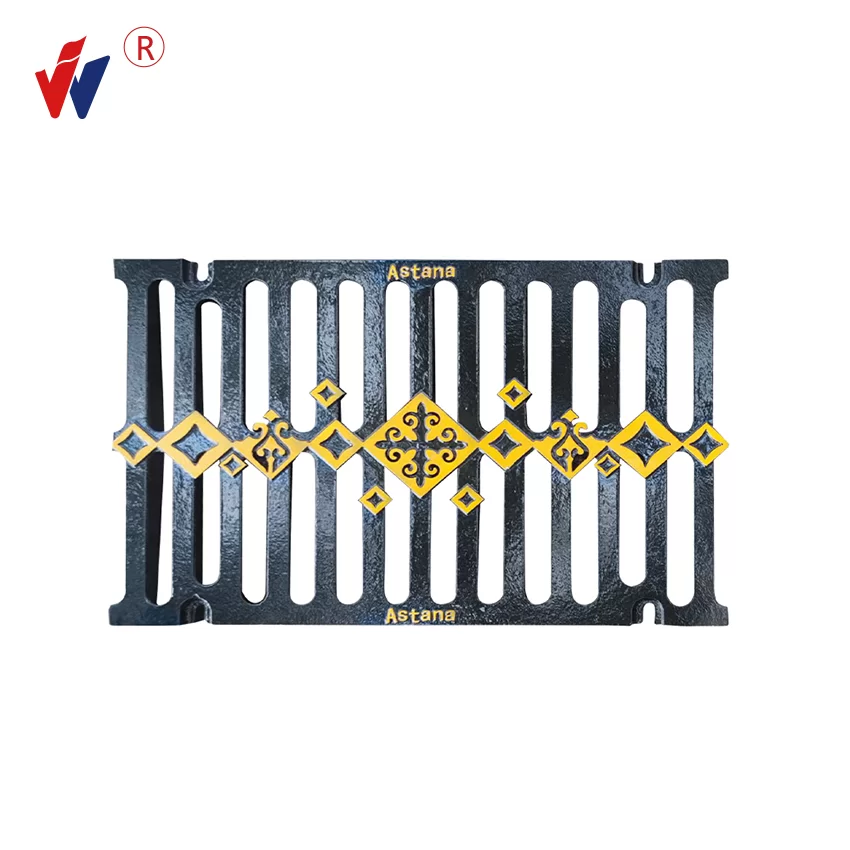
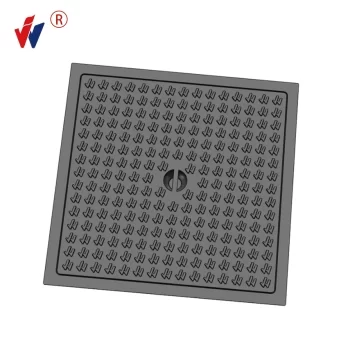
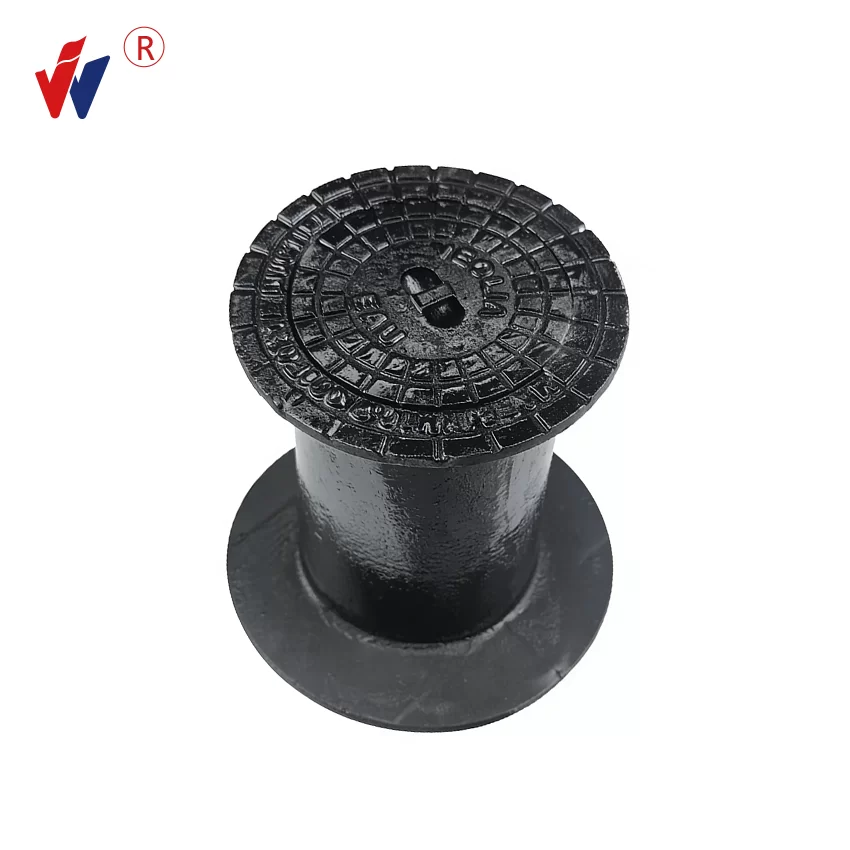
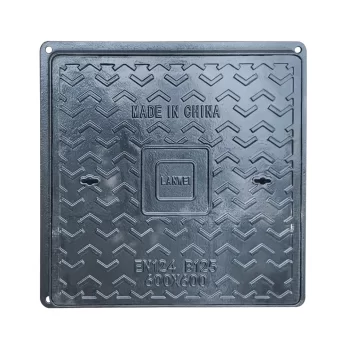
Belarus faces unique challenges in its metal fabrication sector, particularly regarding the longevity of the sewer cover lid. The region's extreme temperature fluctuations, ranging from deep winter frosts to humid summers, cause significant thermal expansion and contraction in traditional cast iron, leading to structural cracks and instability in urban road networks.
With the modernization of Minsk and other regional hubs, there is an increasing demand for infrastructure that supports higher load capacities. The shift toward heavier commercial transport has rendered many legacy systems obsolete, necessitating a widespread transition toward high-grade ductile iron and composite materials to prevent catastrophic failures.
Furthermore, the prevalence of road salt and chemical de-icers during Belarusian winters accelerates the corrosion of underground access points. This has created a critical market need for specialized coatings and precision-engineered seals to protect the integrity of the wastewater and telecommunication networks.